Sofa Color Matcher & Guide
Not sure which shade fits your life? Select your primary priorities below to find your ideal sofa match.
Our Recommendation
-
Select your options above to see the recommendation.
Quick Wins for Color Choosing
- Grey: The safest bet for versatility and hiding dust.
- Beige/Cream: Best for making small rooms feel massive and airy.
- Navy Blue: The go-to for a sophisticated, moody vibe without being too dark.
- Green: The top choice for bringing a natural, calming energy indoors.
The Reign of the Neutrals
If you walk into a hundred modern homes, you'll likely see Grey is a neutral achromatic color ranging from white to black, widely used in modern interior design for its versatility. It's the undisputed heavyweight champion of lounge colors. Why? Because it doesn't fight with anything. Whether you have bright orange walls or minimalist white paint, grey just sits there and looks good.
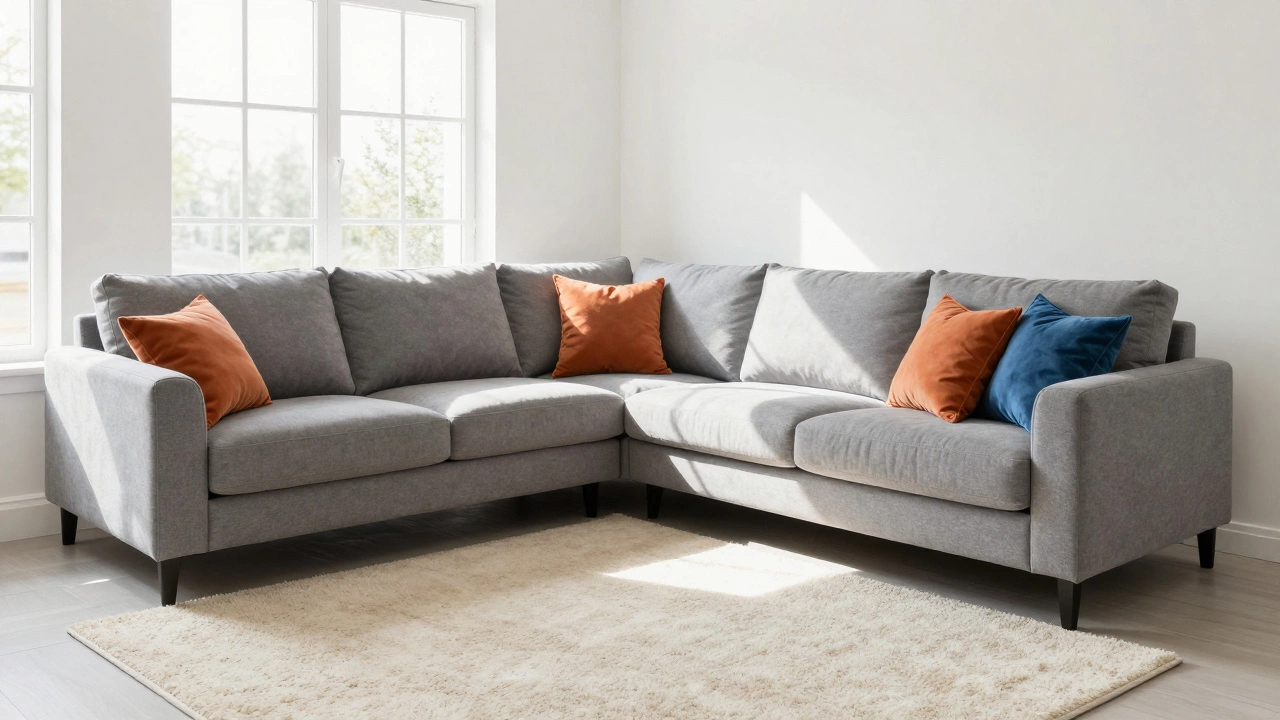
But not all greys are the same. A "cool grey" has blue undertones and works great in rooms with lots of natural light. A "warm grey" (often called greige) has a hint of brown or yellow and keeps a room from feeling like a sterile hospital. If you're eyeing a most popular color for a lounge, starting with a mid-tone grey corner sofa is the smartest move for anyone who likes to change their throw pillows every season.
Then there's the cream and beige family. These tones are the secret weapon for smaller apartments. While a dark sofa can feel like a black hole that sucks the light out of a room, a beige sofa reflects light. This creates an optical illusion of more space. The only catch? Red wine and muddy paws. If you have toddlers or golden retrievers, a light cream fabric is essentially a countdown to a stain.
Bold Choices That Actually Work
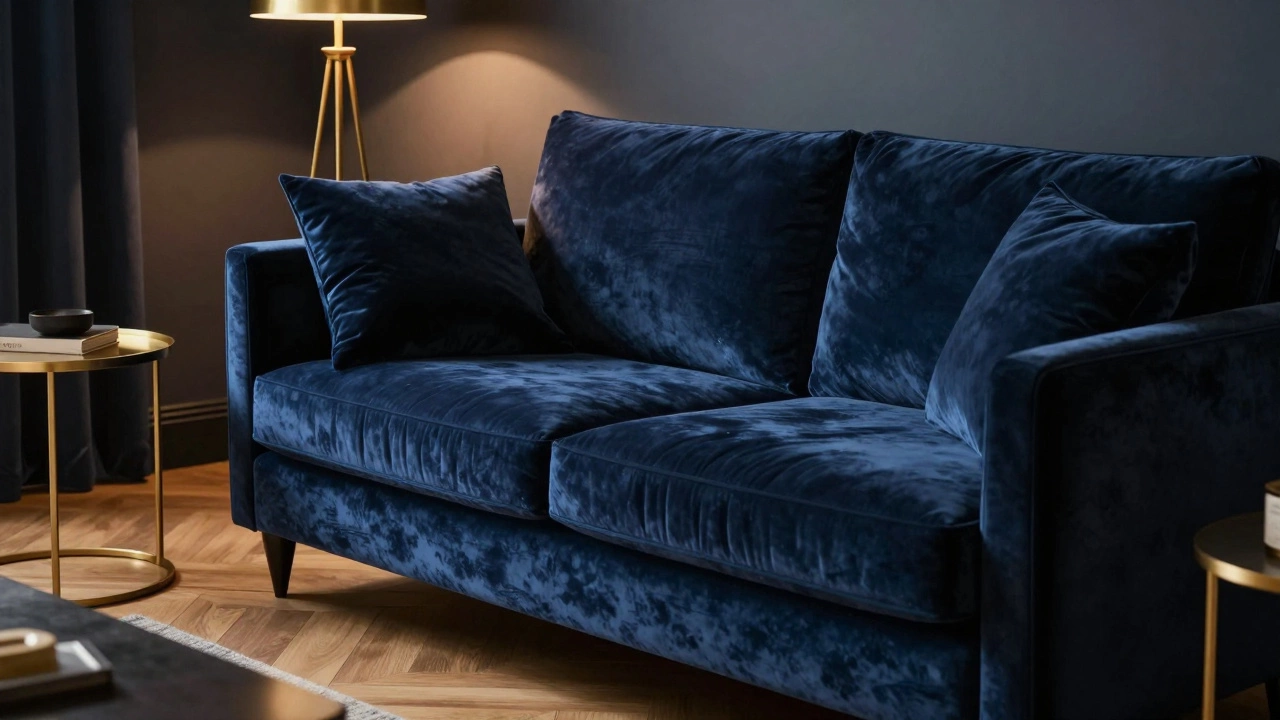
For those bored with the "beige-ification" of homes, Navy Blue is the gold standard for bold colors. It functions almost like a neutral. It's deep, rich, and hides a surprising amount of grime. When you pair a navy corner sofa with gold accents or light oak flooring, you get a look that feels expensive without trying too hard.
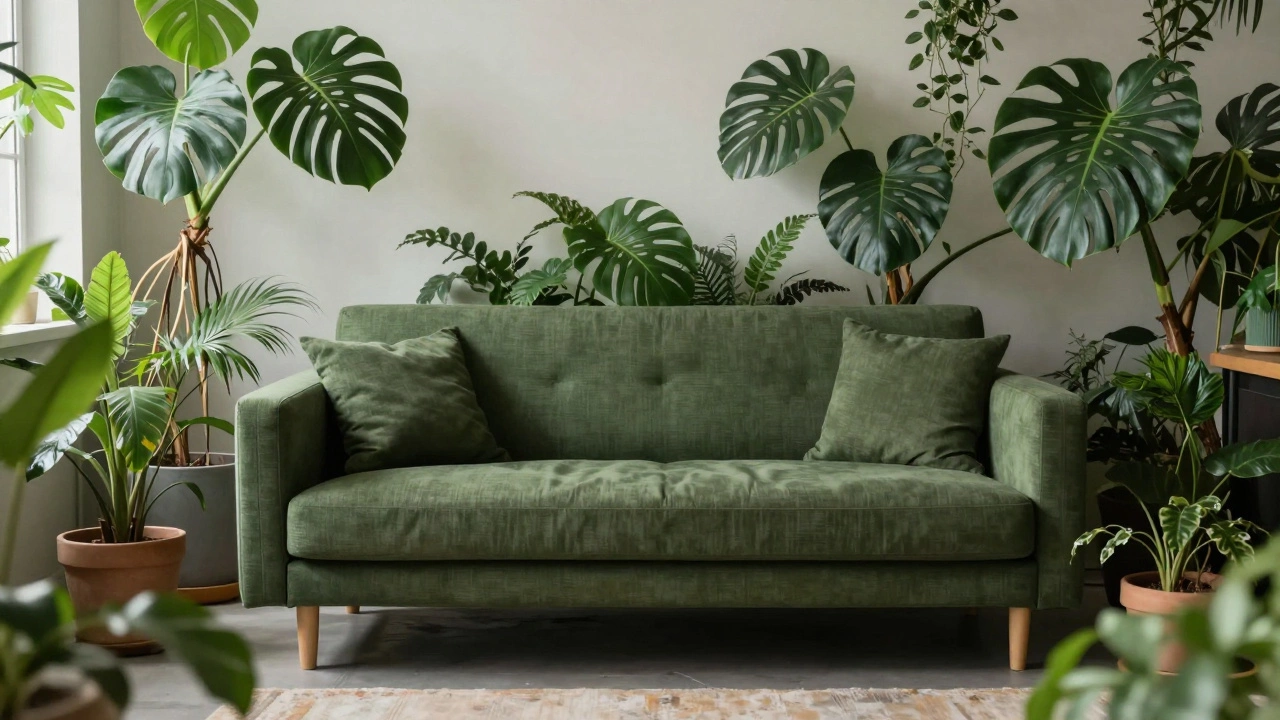
Forest and Olive greens have also surged in popularity. This shift is driven by Biophilic Design, which is an architectural approach that seeks to connect building occupants more closely to nature by incorporating natural materials and colors. A deep green lounge brings a sense of peace and grounding. It works exceptionally well if you have a lot of indoor plants, creating a seamless flow between your furniture and your greenery.
| Color | Vibe | Maintenance | Best For... |
|---|---|---|---|
| Grey | Modern/Clean | Easy | Changing decor frequently |
| Beige | Warm/Airy | Hard | Small, dark rooms |
| Navy | Sophisticated | Very Easy | High-traffic family areas |
| Green | Organic/Cozy | Medium | Nature-inspired interiors |
Matching Your Sofa to Your Space
You can't pick a color in a vacuum. You have to look at the Color Wheel, which is a visual representation of colors arranged according to their chromatic position. If your walls are a complementary color (opposites on the wheel), your sofa will pop. If they are analogous (neighbors on the wheel), the room will feel more harmonious and relaxed.
Think about your flooring. If you have dark walnut floors, a charcoal sofa might make the room feel like a cave. In that case, a light grey or cream piece provides the necessary contrast to break up the darkness. Conversely, if you have light maple or white-washed floors, a bold navy or emerald green sofa becomes the focal point of the room, preventing the space from looking washed out.
Lighting is the final piece of the puzzle. A color that looks like a perfect "sage green" in the showroom might look like "muddy brown" in your living room under warm LED bulbs. Always check your fabric swatches in your own home at different times of the day. Morning sunlight is harsh and blue; evening lamp light is yellow and soft. Your sofa color will shift with the sun.
The Psychology of Color in the Lounge
The lounge is where you go to shut down after a ten-hour workday. The color you choose actually affects your mood. Blue and green are known to lower the heart rate and create a sense of tranquility. This is why they are popular for those who use their lounge as a sanctuary for reading or napping.
Warm tones like terracotta or deep yellow stimulate conversation and energy. While these aren't the "most popular" for large corner sofas-since a giant orange sofa is a huge commitment-they are fantastic for accent chairs. If you're brave enough to go with a warm-toned sofa, keep the rest of the room muted so you don't overwhelm your guests' senses.
Fabric Matters as Much as Color
A color looks completely different depending on the material. A grey Velvet sofa looks luxurious and reflects light, giving it a shimmering quality. The same shade of grey in a Linen fabric looks matte and casual. Velvet absorbs more light in the folds, creating a depth of color that linen simply can't match.
Then there's the practical side: Performance Fabrics. These are textiles treated to be water-resistant and stain-resistant. If you love the look of a white or cream lounge but live in a house with three dogs, performance fabric is the only way to go. It allows you to choose a "risky" color without the constant anxiety of a spilled glass of grape juice.
Common Mistakes to Avoid
One of the biggest blunders is "matching too perfectly." People often buy a grey sofa, a grey rug, and grey curtains. This doesn't look cohesive; it looks like a fog. You need contrast. If you have a grey sofa, try a cream rug with a bit of texture or a navy blue throw blanket to break up the monotony.
Another mistake is ignoring the scale of the color. A dark-colored corner sofa is a massive block of pigment. In a small room, a giant navy blue L-shaped sofa can feel like it's eating the walls. If your space is tight, lean toward the lighter end of the spectrum-even if you prefer darker colors-to keep the room breathable.
Is grey still the most popular color for sofas in 2026?
Yes, grey remains the top choice due to its neutrality. However, we've seen a huge shift toward "warm greys" and "greige" as people move away from the cold, industrial looks of the last decade and toward cozier, more organic aesthetics.
What color sofa is best for hiding stains?
Mid-to-dark tones like navy blue, charcoal grey, and deep forest green are the best for hiding stains. Textured fabrics, like tweeds or chenilles, are also better at disguising small marks than flat, smooth fabrics.
Can I have a white sofa with kids and pets?
It's possible if you choose a high-quality performance fabric. Look for materials that are specifically labeled as stain-resistant or moisture-wicking. You'll also want to keep a fabric cleaner on hand for immediate spot-treating.
How do I choose a color that won't go out of style?
Stick to the neutrals: grey, beige, or navy. These colors have been staples for decades and rarely feel "dated." If you want to experiment with trends, do it with your pillows, throws, and art, which are much cheaper and easier to replace than a whole sofa.
Which colors make a room feel larger?
Light, bright colors like cream, off-white, pale grey, and soft beige reflect more light, which tricks the eye into seeing more space. Dark colors absorb light and tend to make the walls feel closer.
Wrapping Up Your Decision
If you're still stuck, ask yourself: "What is the primary use of this room?" If it's a high-traffic family hub, go for charcoal or navy. If it's a formal sitting room for guests, a light beige or cream adds a touch of luxury. And if you just want a safe bet that will look good regardless of how you change your wallpaper in three years, you can't go wrong with a classic mid-grey.