Posture Health: Furniture Choices That Keep Your Back Happy
Ever feel a twinge after sitting on the couch or at your desk? It’s rarely the cushions or the screen—it's how the furniture lines up with your body. Small changes in chair height, sofa depth, or table shape can make a big difference to your spine, shoulders, and hips. Let’s break down the basics and give you easy swaps you can try right now.
Why Your Furniture Matters for Posture
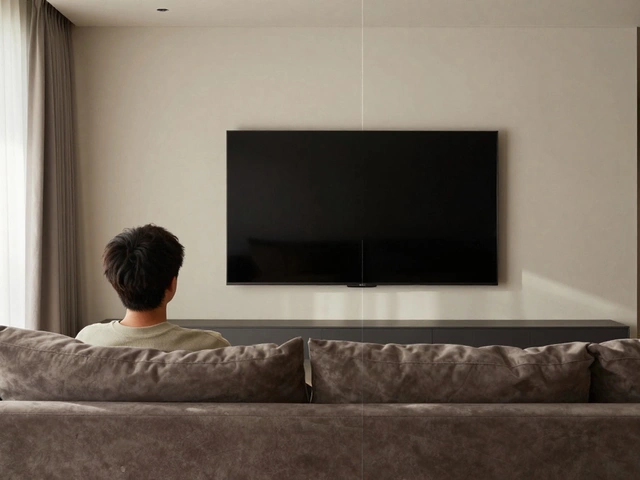
When you sit, your spine wants to stay in a neutral curve. A chair that’s too low forces you to slump, while one that’s too high pushes your hips forward and strains the lower back. Sofas that are too deep make it hard to sit upright, and coffee tables that are too high force you to hunch over. Even the placement of a TV can affect how you tilt your neck.
Research from UK health groups shows that people who use ergonomic chairs and proper desk setups report up to 30% less back pain. The same idea applies to living-room furniture: a well‑designed sofa or armchair supports your natural posture, letting you relax without the “ache‑after‑a‑movie” feeling.
Easy Swaps to Boost Posture Today
1. Adjust chair height. Your feet should rest flat on the floor, knees at about a 90‑degree angle. If the chair is too low, use a firm cushion; if it’s too high, try a footrest.
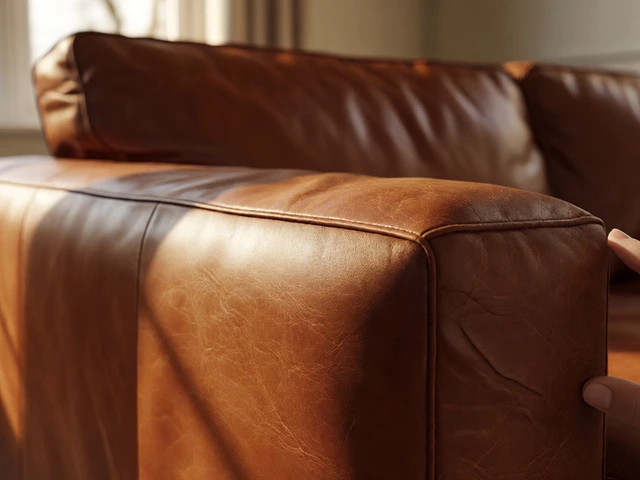
2. Choose the right sofa depth. Aim for a seat depth where you can sit back with your back against the backrest and still have a few inches to your knees. This keeps your spine aligned and prevents you from sliding forward.
3. Add lumbar support. A small pillow or a dedicated lumbar roll can fill the gap in many sofas and office chairs. Position it just above your hips to maintain the natural curve.
4. Mind the TV height. The screen’s center should be at eye level when you’re seated. Mounting the TV too low makes you look down, straining neck muscles; too high forces you to look up.
5. Keep coffee tables low. A standard coffee table sits around 12‑14 inches high—roughly the same height as the top of your knees. This lets you keep your arms relaxed while reaching for a drink, reducing shoulder strain.
These tweaks don’t require a full remodel. A few cushions, a footrest, or a slight rearrangement can turn a pain‑inducing setup into a posture‑friendly zone.
Remember, good posture is a habit, not a one‑time fix. Check your seating every few weeks, especially if you notice stiffness after a long binge‑watching session or a day of work‑from‑home. Small, consistent adjustments add up to big relief over time.
By picking furniture that respects your body’s natural lines, you’ll feel better, move more freely, and keep your back from turning into a chronic problem. Start with one change today, and notice the difference tomorrow.