Pest Prevention for Storage: Keep Your Furniture Safe
Storing furniture for a few months or several years? The biggest headache isn’t the dust – it’s pests and mold. A few simple habits can stop mice, beetles, and mildew from turning your prized pieces into ruined messes.
Stop Rodents From Chewing Your Stuff
Rodents love warm, dark corners where they can hide and gnaw. First, seal every gap you can see – doors, windows, and especially the tiny cracks around vents. Use steel wool or weather‑stripping; mice can slip through holes the size of a penny, so be thorough.
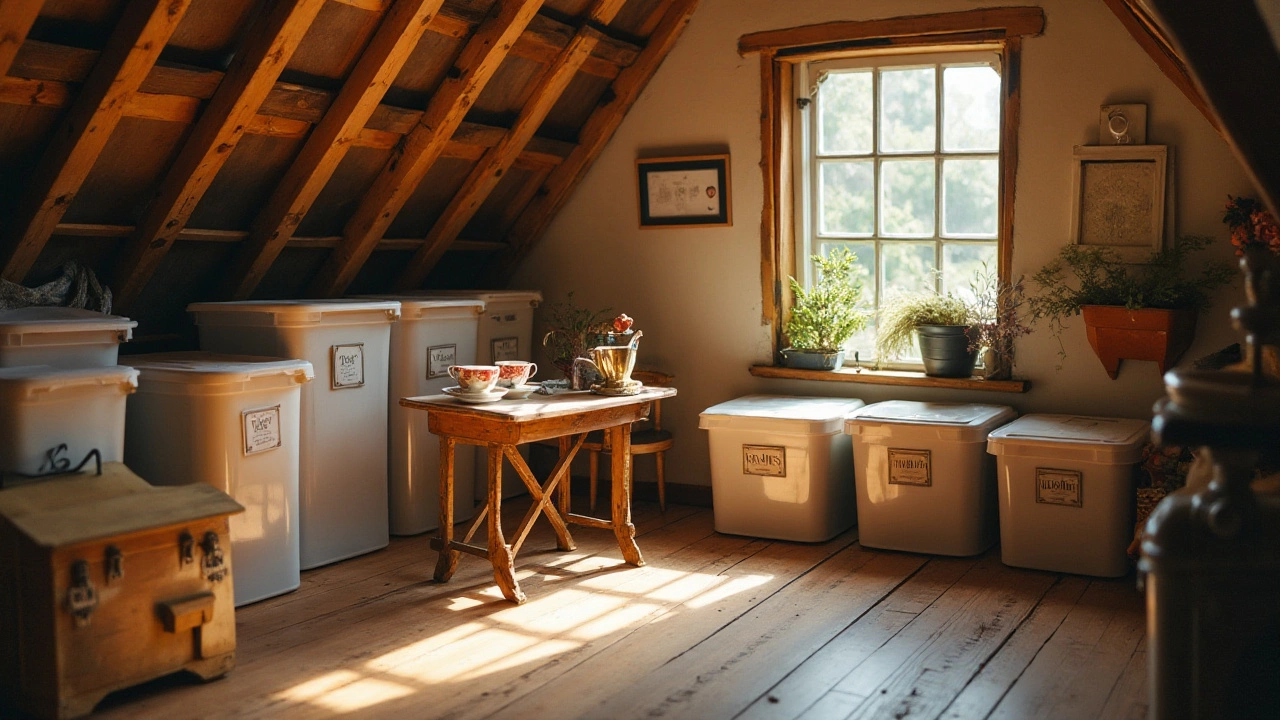
Next, keep food out of the storage area. Even a crumb on the floor invites rats. If you must store fabrics or cushions, put them in airtight plastic bins. The airtight barrier stops smells from attracting pests and makes it impossible for mice to get inside.
Consider natural repellents like peppermint oil on cotton balls or sachets of dried lavender. Place them at the entry points; the scent isn’t pleasant for rodents but harmless for your furniture. For severe infestations, set up snap traps or humane catch‑and‑release traps near the walls – but always check them daily to avoid dead‑mouse odors.
Beat Mold and Moisture Before It Starts
Moisture is mold’s best friend. Before you pack, make sure every piece is completely dry. If you’re moving a sofa or a wooden table, let it air out for at least 24 hours in a well‑ventilated room.
Use desiccant packs or silica gel packets inside storage boxes. They pull moisture out of the air and keep humidity low, especially in unheated garages or basements. A simple hygrometer can tell you if the space is above 60% humidity – that’s the danger zone for mold.
Cover furniture with breathable cloth covers, not plastic. Plastic traps moisture and creates a perfect breeding ground for mildew. If you must use plastic, add vent holes or leave a small gap for air flow.
Lastly, inspect the storage area regularly. Look for signs of water leaks, condensation on walls, or a musty smell. Catching a problem early lets you move the items to a drier spot before mold spreads.
By sealing gaps, keeping food out, using natural repellents, and controlling humidity, you’ll protect your furniture from both pests and mold. Your stored pieces will thank you when you bring them back – looking just as good as the day you packed them.