Outdoor Furniture Care: Keep Your Patio Pieces Looking New
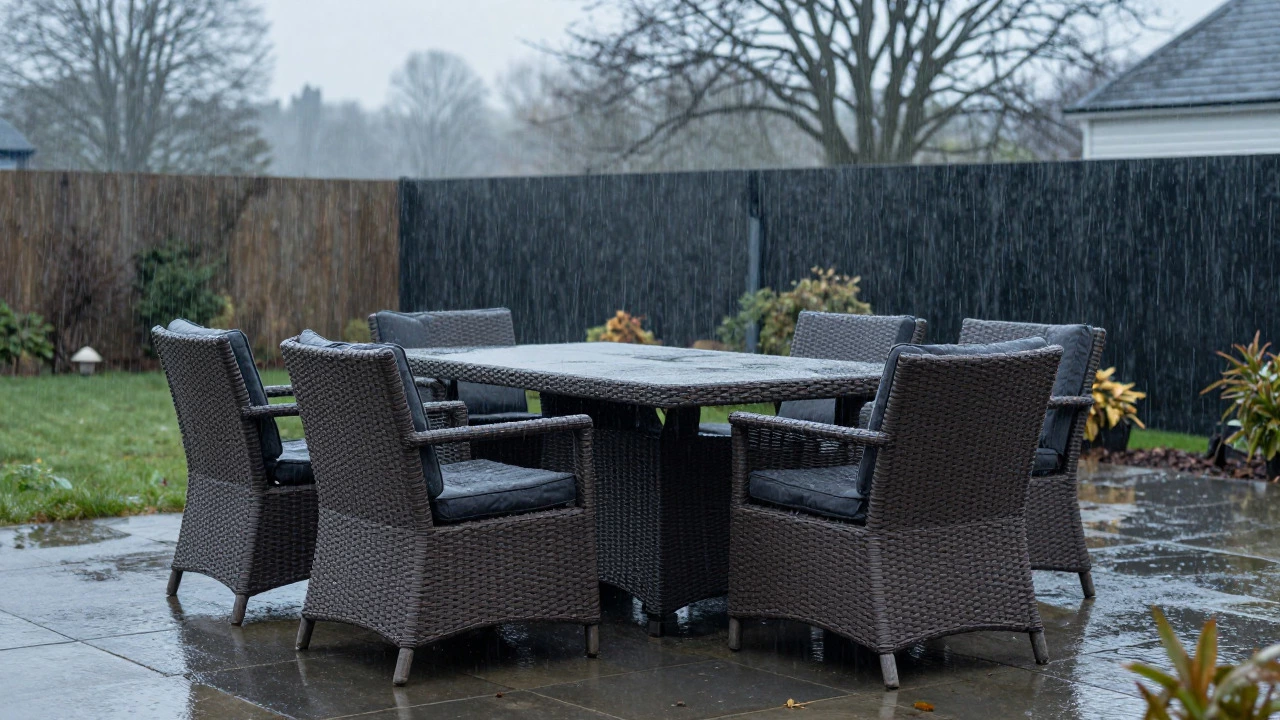
When you invest in outdoor furniture care, the practices that protect patio and garden pieces from weather, UV damage, and decay, you’re not just cleaning—you’re extending the life of your investment. Whether it’s a recycled plastic patio set, durable HDPE lumber furniture made to resist rot and fading or a wooden dining table, exposure to rain, sun, and humidity will take its toll without proper attention. The goal isn’t to make it look perfect—it’s to keep it functional, safe, and looking like it belongs in your space for years.
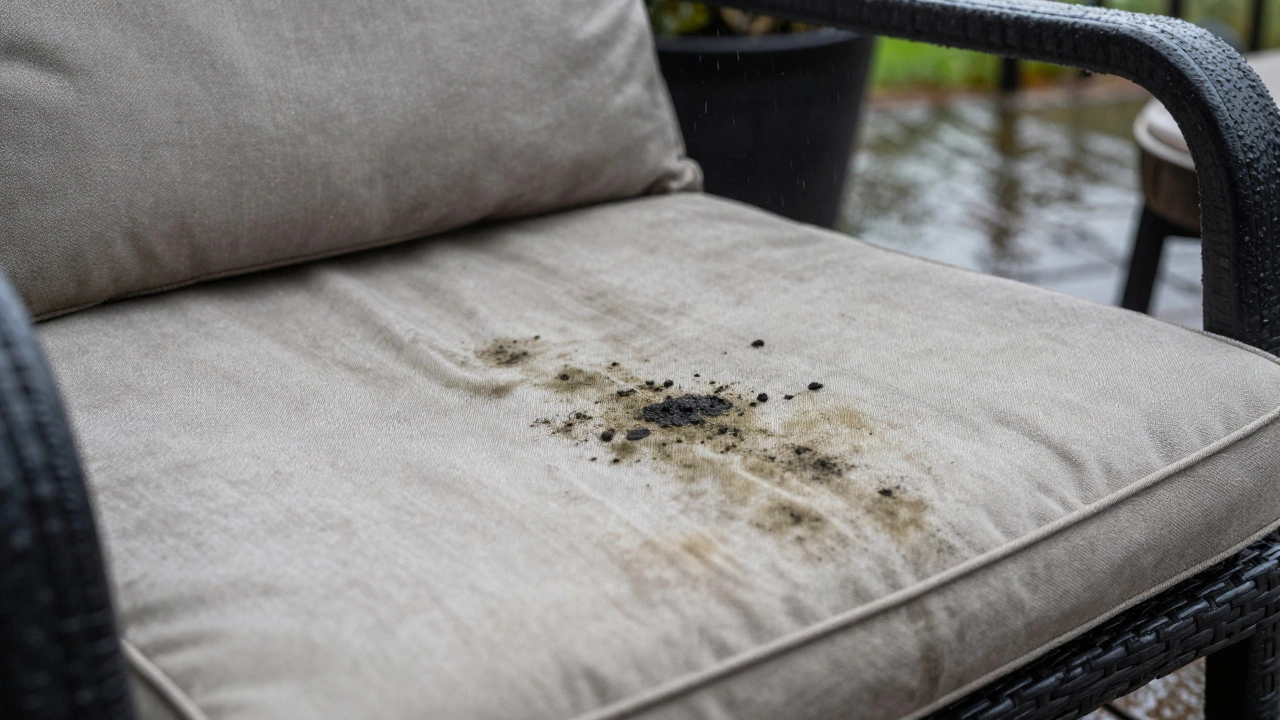
Many people think outdoor furniture just needs a quick wipe-down before summer. But that’s like washing your car once a year and expecting it to last a decade. mold on patio furniture, a common problem in damp climates that eats away at fabric, wood, and even plastic over time thrives in corners, under cushions, and between slats. Left unchecked, it stains, smells, and weakens materials. Then there’s UV damage: the sun bleaches colors, cracks finishes, and makes plastic brittle. And don’t forget salt air if you’re near the coast—it’s like sandpaper on metal frames. The right outdoor furniture cleaning, regular, targeted maintenance using safe, effective methods stops all this before it starts.
You don’t need fancy tools or expensive products. A bucket of soapy water, a soft brush, and a little time every few months go further than a pressure washer on high. Covering furniture in winter, lifting cushions off the ground, and choosing the right cleaners (no bleach on plastic, no vinegar on stone) make a real difference. Some materials, like powder-coated aluminum or high-density polyethylene, need almost nothing. Others, like teak or wicker, need a bit more love. The key is knowing what you’ve got and treating it accordingly.
What you’ll find below aren’t generic tips you’ve read a hundred times. These are real, tested methods from people who’ve lived with outdoor furniture in UK weather—rain, frost, sunburns, and all. You’ll see how to kill mold without ruining your cushions, how to tell when it’s time to replace a cushion core, and why some "weatherproof" pieces still fail after two seasons. No fluff. No marketing buzzwords. Just what works.