Office Chair Guide: How Long It Should Last and How to Keep It Great
If you spend hours at a desk, the right office chair can make a huge difference. It’s not just about looks – it’s about comfort, support, and durability. In this guide we’ll break down how long a quality chair should last, what to check before you buy, and easy ways to extend its life.
How Long Does a Good Office Chair Last?
Most solid office chairs keep their shape and support for about 5 to 7 years. The exact number depends on the material, how often you sit in it, and how well you look after it. Mesh backs tend to age faster than leather or high‑density fabric, while good quality steel frames can last a decade or more if they stay rust‑free.
A chair’s cushion is often the first thing to wear out. Foam can flatten after a few years of daily use, so swapping the cushion or adding a seat pad can give you another couple of years. Some brands offer replaceable seat pads, which is a cheap way to keep the chair feeling fresh.
What to Look for When Choosing an Office Chair
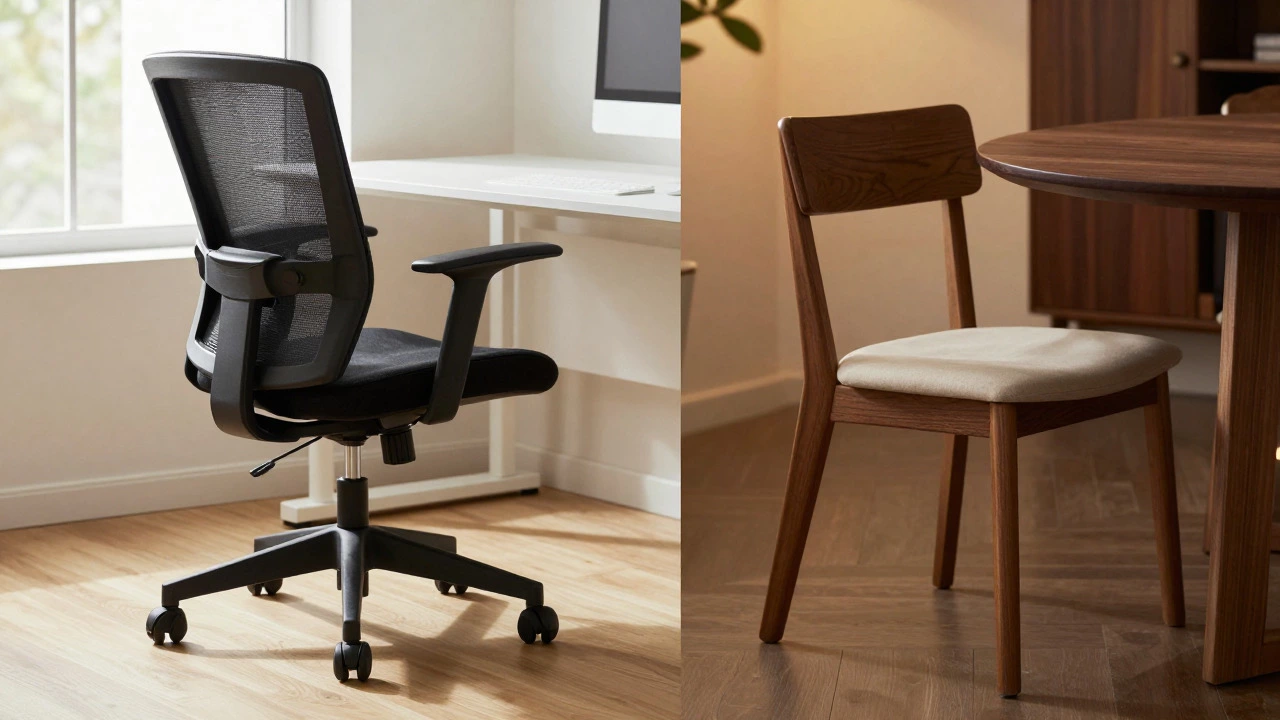
Start with the basics: Adjustable height, backrest tilt, and lumbar support. If you can move the armrests up and down, you’re already ahead. Test the chair by sitting for a minute – your knees should be at a right angle and your feet flat on the floor.
Next, think about the base. A five‑star base with smooth‑rolling casters works on most office floors. If you have carpet, look for larger wheels; on hard floor, smaller wheels glide better. Finally, consider the weight capacity. A chair rated for 250 lb will hold up better over time than one rated for 200 lb.
When you browse our posts, you’ll see a dedicated article titled “How Long Should a Quality Office Chair Last? Lifespan and Care Tips Explained.” It dives deeper into material differences and gives real‑world numbers for popular brands.
Beyond buying, simple maintenance goes a long way. Wipe the seat and back with a damp cloth every few weeks to prevent dust buildup. Tighten any loose bolts once a month – a screwdriver and a quick check can stop a wobble before it becomes a safety issue.For the upholstery, avoid harsh chemicals. A mild soap solution works for most fabrics, while leather benefits from a leather‑specific cleaner and a light conditioner every six months.
If you notice the chair creaking, sprinkle a little silicone spray on the moving parts. It eliminates squeaks and adds a thin layer of protection.
Finally, think about ergonomics as a long‑term investment. A chair that supports good posture reduces strain on your back and neck, meaning you’re less likely to need a replacement sooner. Pair your chair with a monitor stand at eye level and a keyboard tray at elbow height for a truly healthy setup.
In short, a well‑chosen, well‑maintained office chair can serve you reliably for many years. By checking adjustability, material quality, and taking a few minutes each month for upkeep, you keep the comfort and save money. Explore the related posts on our site for more specific brand reviews and detailed care routines.