Memory Foam Mattress: What It Is and Why You’ll Love It
Memory foam feels like it’s made just for your body. It was first used in space suits, then turned into a mattress that reacts to heat and weight. When you lie down, the foam softens where you press and springs back when you get up. That gives you a feeling of being hugged by the bed, which can help you relax and sleep deeper.
Key Benefits of Memory Foam
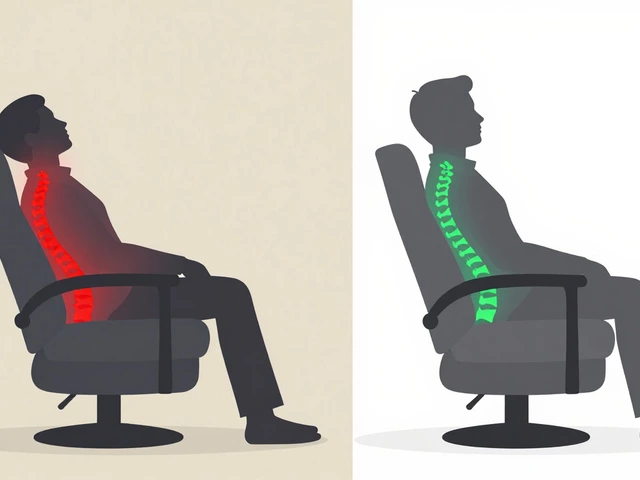
First, it reduces pressure points. Because the foam molds to the shape of your shoulders, hips and back, it spreads your weight evenly. That means less tossing and turning, especially if you’re a side sleeper. Second, it isolates motion. If your partner gets up in the night, you’ll barely feel it – the foam absorbs the movement. Third, it can help with back pain. The support it gives the spine keeps it in a neutral position, so you wake up with fewer aches.
Heat can be a hassle, but newer foam blends add cooling gel or open‑cell structures. These let air flow and keep the surface cooler. If you tend to get hot at night, look for a mattress that mentions “cooling” or “breathable” in the product details.
How to Choose the Right Mattress
Start with firmness. Soft foam feels luxurious but can feel like sinking if you’re heavier. Medium‑firm works for most people because it balances sink‑in and support. If you’re on the lighter side, a softer feel might be better; if you’re heavier, a firmer feel will keep you from sinking too deep.
Next, think about size. A bigger bed gives you more room to move, which matters if you share the mattress. Measure your bedroom first so the mattress fits through doorways and hallways.
Don’t forget the trial period and warranty. A good brand will let you try the mattress for at least 100 nights and will cover sagging for several years. That way you can be sure the foam holds up after a few months of use.
Finally, consider how you’ll take care of it. A removable, washable cover makes life easier, especially if you have pets or allergies. Rotate the mattress every three months to keep the foam even.
In short, a memory foam mattress can give you a comfortable, supportive sleep surface that moves with your body. By checking firmness, cooling features, size, trial terms and care options, you’ll pick a bed that feels right for years to come.