Mattress Buying Guide: How to Choose Comfort and Support
Pulling a new mattress off the shelf can feel overwhelming. You’ve got dozens of options, price tags that range wildly, and a lot of sales hype. The good news? You don’t need a PhD in sleep science to pick the right one. In this guide we’ll break down the main mattress types, the key factors that affect comfort, and a few maintenance tricks that keep your bed feeling fresh for years.
Common Mattress Types
Most retailers group mattresses into four basic families: spring, memory foam, latex, and hybrid. Spring mattresses use coils for support and are often the most affordable. They bounce back quickly, which some people love, but they can be noisy and may develop sag spots.
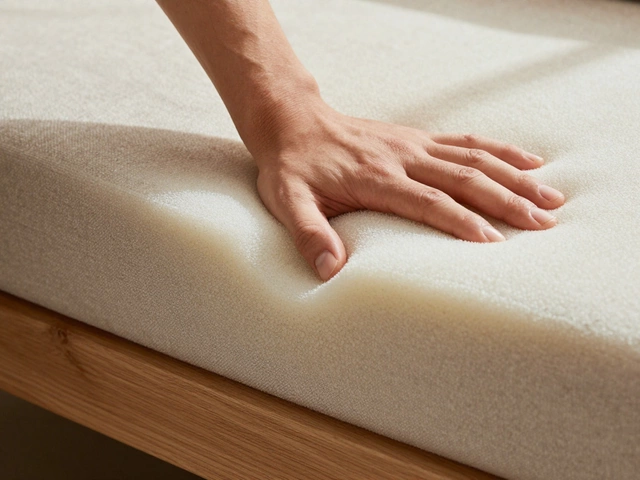
Memory foam molds to your shape and reduces motion transfer. It’s great for couples because you won’t feel each other move, yet some users find it traps heat. Latex mattresses feel a bit bouncier than foam and tend to stay cooler. Natural latex is also hypo‑allergenic and lasts a long time, though it can be pricey.
Hybrid models combine a pocket‑coil core with a foam or latex top layer. They aim to give you the best of both worlds—support from coils and comfort from foam. Hybrids are popular for sleepers who want a balanced feel without committing to a single material.
How to Choose the Right Mattress for You
Start with your sleep position. Side sleepers usually need a softer surface to cushion hips, while back and stomach sleepers benefit from firmer support to keep the spine aligned. If you’re a mixed sleeper, a medium‑firm mattress often works best.
Consider your body weight. Heavier folks (over 200 lb) often need a sturdier mattress to prevent excessive sinkage, whereas lighter sleepers can enjoy a plush feel without losing support. Look for a mattress with a higher density foam or thicker coil gauge if you’re on the heavier side.
Budget matters, too. You can get a decent quality foam mattress for around £200, but a premium hybrid or natural latex may run £1,000 or more. Think of a mattress as an investment in health—spending a bit more for durability and comfort can save you money on replacements later.
Lastly, test the mattress if you can. Many UK stores offer a 100‑night trial period. Use that time to check for pressure points, motion transfer, and overall comfort. If the trial feels too short, play it safe and opt for a brand with a solid warranty and return policy.
Maintenance tips are simple: rotate the mattress every three to six months to even out wear, keep a mattress protector on to guard against spills, and air it out occasionally to reduce moisture build‑up. These habits extend the life of your bed and keep it smelling fresh.
In short, match the mattress type to your sleep style, weight, and budget, then give it a proper trial. Follow the upkeep steps, and you’ll enjoy better sleep for years without second‑guessing your purchase.