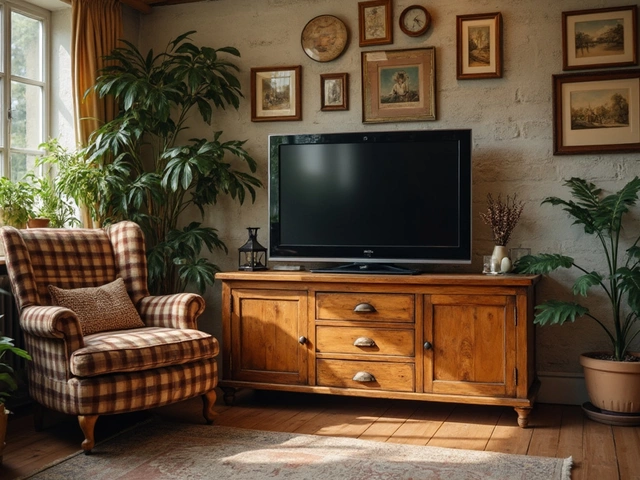
Wardrobe vs. Closet vs. Armoire Comparison Tool
Understanding Storage Terms
This tool helps you understand the historical and practical differences between the terms wardrobe, closet, and armoire. Click on the tabs below to explore how these storage solutions evolved and when to use each term.
Wardrobe
A freestanding furniture piece with doors that typically contains hanging space for clothes.
Origin: From Middle English "garderobe" (guard + robe), a room for keeping valuable garments.
Closet
A built-in storage space enclosed within walls of a room, typically used for clothes.
Origin: From Old French "closet" (small room), referring to small storage spaces.
Armoire
A tall, free-standing cabinet with doors, often with decorative features, used for clothing storage.
Origin: From French "armoire" (armored storage), originally for weapons.
Key Differences
| Feature | Wardrobe | Closet | Armoire |
|---|---|---|---|
| Physical Form | Freestanding furniture with doors | Built-in wall space | Freestanding with decorative features |
| Historical Origin | 13th century (garderobe) | 18th century | 17th century |
| Primary Use | Storage for clothing and accessories | Storage for clothing | Storage for clothing with decorative emphasis |
| Typical Location | Anywhere in room | Integrated into room structure | Anywhere in room |
| Common Usage Today | UK and older homes | US and modern homes | High-end furniture |
When to Use Each Term
In the UK, wardrobe is the common term for freestanding clothing storage. In the US, closet is more common for built-in storage spaces.
Wardrobe: Use when referring to freestanding furniture that can be moved or purchased separately.
Closet: Use when referring to built-in storage that's part of the room structure.
Armoire: Use for tall, decorative furniture that has historical or ornate features.
Ever wonder why we call that tall closet with doors a wardrobe? It doesn’t hold clothes you wear on your head, and it’s not a robe. So where did the name come from? The answer isn’t just about furniture-it’s about language, history, and how people lived hundreds of years ago.
The Word That Outlived Its Original Meaning
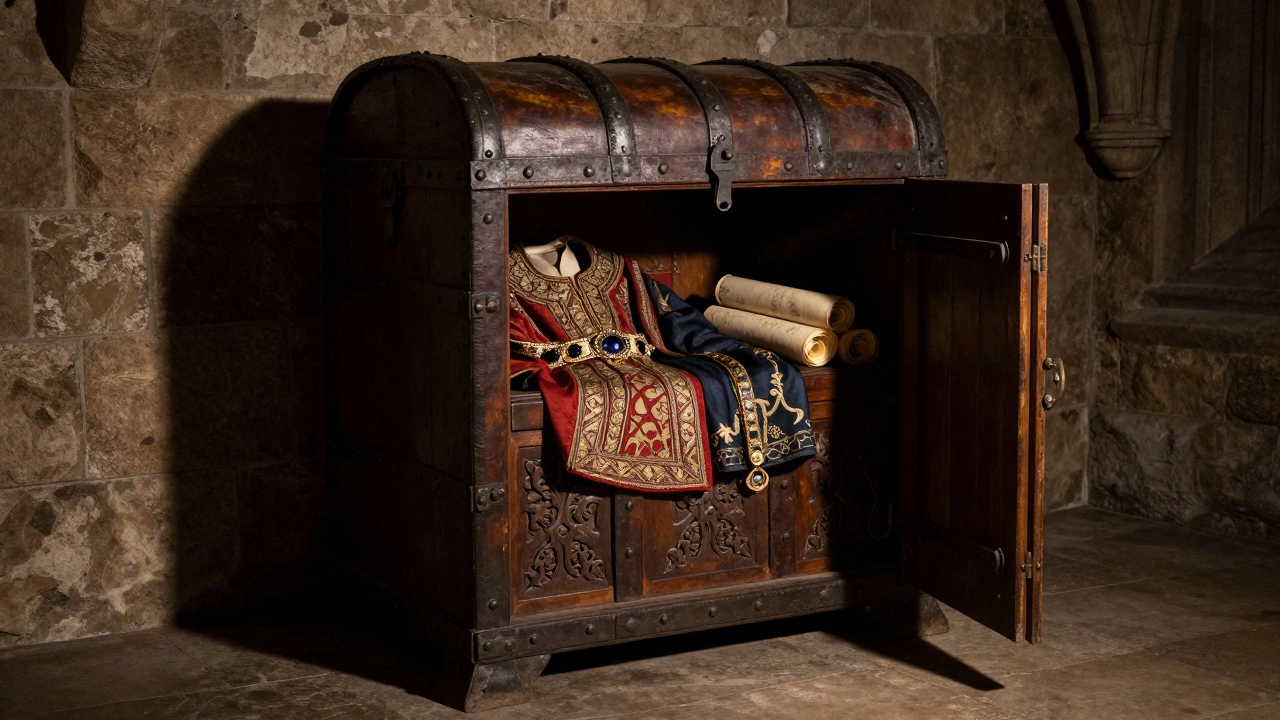
The word wardrobe comes from Middle English, which borrowed it from Old French. Back then, it was spelled garderobe, a combination of two words: garder (to guard or keep safe) and robe (a garment). So literally, a garderobe meant a place to guard your robes.That sounds odd today, but in the 13th and 14th centuries, clothing wasn’t just something you bought at a store. Clothes were expensive. A single tunic or cloak could cost months of wages. Nobles didn’t have walk-in closets. They had dedicated rooms or large chests where they stored their best garments-especially robes, which were symbols of status.
These storage spaces weren’t just for clothes. In castles and manor houses, the garderobe often doubled as a private room where people kept not just garments, but also jewelry, documents, and sometimes even money. It was a secure, locked space. Over time, as clothing became more common and less tied to rank, the term got shortened. By the 1600s, garderobe had become wardrobe in English, and the meaning narrowed to just storing clothes.
Wardrobe vs. Closet: What’s the Difference?
You might think a wardrobe and a closet are the same thing. They’re not. A closet is built into the wall. It’s part of the architecture. A wardrobe is freestanding. You can move it. You can buy it from a store. You can take it with you if you move.This distinction matters because it reflects how people lived. In medieval England, most homes didn’t have built-in storage. Furniture was portable. A wardrobe was a piece of furniture you owned, not something the house came with. That’s why you still hear older people in the UK say, “I’m putting my coat in the wardrobe,” not “in the closet.”
In America, the word closet became dominant because houses were built with small, enclosed rooms for storage. In Britain, especially in older homes, freestanding wardrobes stayed common. Even today, in a 17th-century cottage in Yorkshire or a Georgian townhouse in Bath, you’ll find a solid oak wardrobe with carved panels-not a recessed closet.
How the Wardrobe Changed With the Times
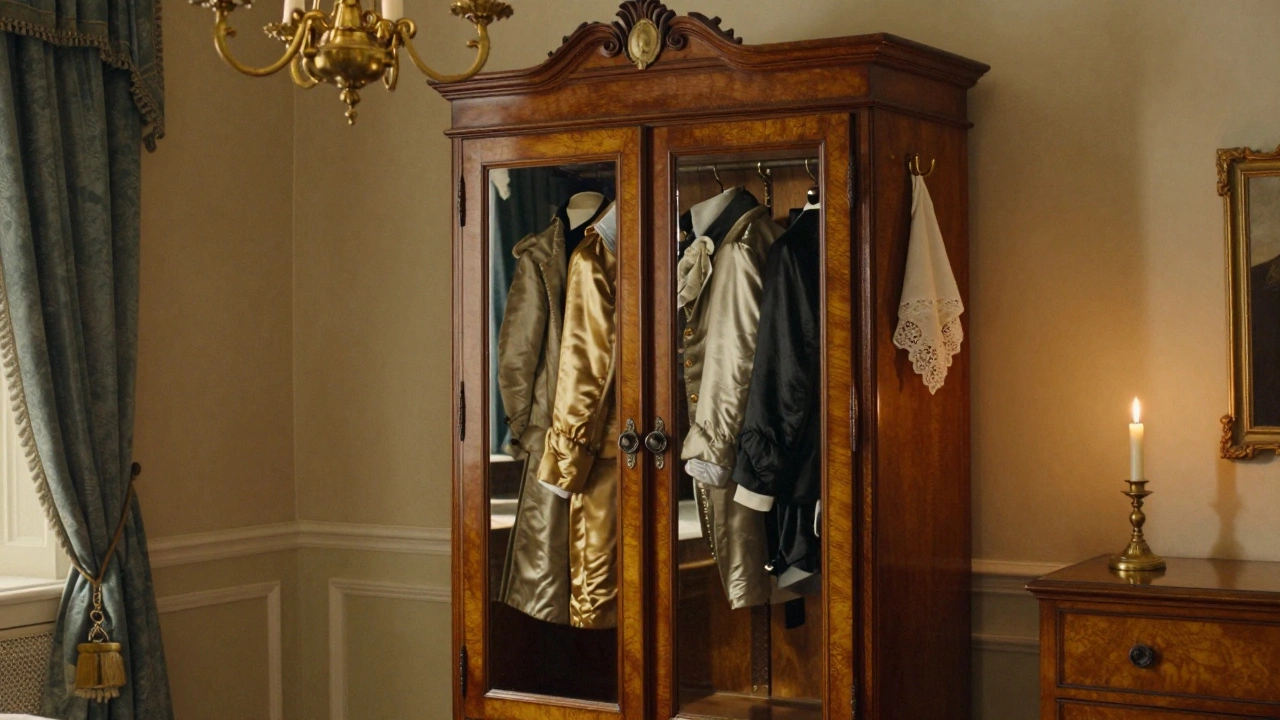
The design of the wardrobe evolved as society changed. In the 1700s, wardrobes became taller and more ornate. They had mirrors added to the inside doors-practical for dressing, but also a status symbol. Only the wealthy could afford glass mirrors back then.By the 1800s, mass production made wardrobes more affordable. The Victorians loved storage. They had wardrobes with pull-out drawers, hidden compartments, and even special hooks for hats and walking sticks. The idea of organizing clothes by type-shirts, trousers, coats-became normal.
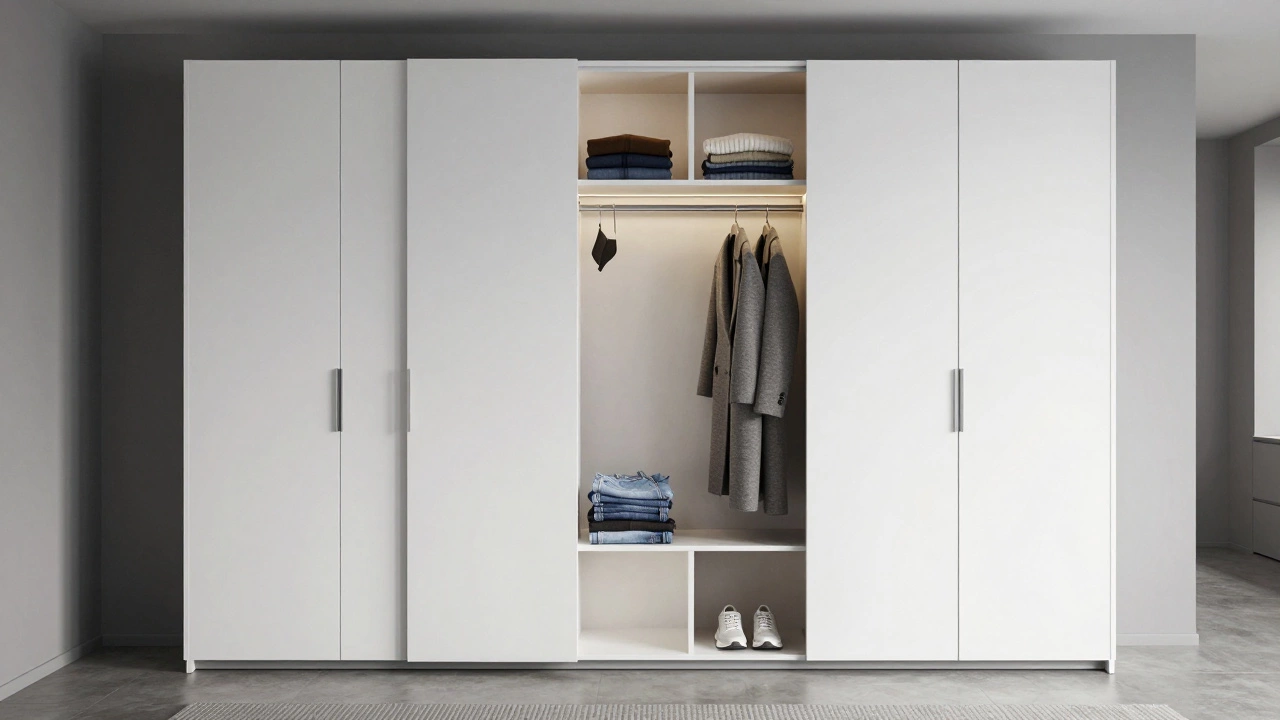
Then came the 20th century. With the rise of apartment living and smaller homes, wardrobes got smaller. Built-in wardrobes started replacing freestanding ones. But the name stuck. Even when the furniture changed, the word didn’t. You could have a sleek, modern unit with sliding doors and LED lighting, and people would still call it a wardrobe.
Why the Name Survived When the Function Evolved
Languages don’t change just because things get new. We keep old words even when their original meaning fades. Think of “deadline”-it used to mean a line you couldn’t cross in a prison. Now it’s a due date. “Wardrobe” followed the same path.The word survived because it filled a gap. There wasn’t another word for a freestanding, door-covered clothing storage unit. “Closet” was too tied to architecture. “Cabinet” was for dishes. “Chest” was for linens. So “wardrobe” stayed.
Even today, when you buy a new piece of storage furniture at IKEA or John Lewis, the product page calls it a wardrobe. Not a closet. Not a cabinet. Not a storage unit. Wardrobe. That’s the word we inherited from centuries ago.
What This Tells Us About Language and Culture
The history of the word wardrobe shows how deeply language is tied to daily life. When clothes were valuable, you guarded them. When homes were cold and small, you needed movable storage. When mirrors were rare, you added them to your wardrobe. The name didn’t just describe a piece of furniture-it described a way of living.Today, we don’t think about robes or castles when we open our wardrobes. We’re just grabbing a shirt before work. But the word still carries that weight. It’s a ghost of medieval England, still standing in our bedrooms, holding our jeans and jumpers.
Next time you open your wardrobe, remember: you’re not just accessing clothes. You’re using a word that’s been around since the Crusades. It’s a tiny piece of history you walk past every morning.
Wardrobe vs. Armoire: Are They the Same?
You might hear the word armoire used interchangeably with wardrobe. They’re similar, but not identical. An armoire is a French term, and it originally referred to a large cabinet for storing weapons or armor-yes, armor. Later, it shifted to clothing storage, especially in the 18th century.Today, an armoire tends to be more decorative. It often has ornate carvings, curved legs, and a more luxurious look. A wardrobe can be plain or fancy, but it’s usually simpler in design. Think of it this way: all armoires are wardrobes, but not all wardrobes are armoires.
In British English, people rarely say “armoire.” In the US, it’s used more often in high-end furniture stores. But if you’re shopping for a tall, door-covered clothing storage unit in Leeds, you’ll still find it labeled as a wardrobe.
Modern Wardrobes Still Follow the Old Rules
Even the smartest modern wardrobes-those with built-in lighting, motion sensors, and USB ports-still follow the same basic design as the 15th-century original: a box, doors, and space to hang things. The function hasn’t changed. The name hasn’t changed. Only the materials have.Back then, it was oak and iron. Now it’s MDF and aluminum. But the purpose? Still the same. Guarding your clothes.
Is a wardrobe the same as a closet?
No. A wardrobe is freestanding furniture you can move. A closet is built into the wall and can’t be moved. In the UK, people usually say wardrobe. In the US, closet is more common. But both do the same job: storing clothes.
Why do British people say wardrobe but Americans say closet?
It comes from housing styles. Older British homes had limited built-in storage, so people used movable furniture like wardrobes. American homes, especially from the 1800s onward, were built with small enclosed rooms for storage-closets. The words stuck based on what people used daily.
When did the word wardrobe start being used for clothing storage?
The word started as garderobe in the 1200s to describe a room for keeping valuable garments. By the 1500s, it had shortened to wardrobe and was used specifically for clothing storage. By the 1700s, it referred to the freestanding piece of furniture we recognize today.
Are wardrobes still popular today?
Yes. Even with built-in closets and digital organizers, wardrobes are still widely bought. They’re popular in smaller homes, rentals, and modern apartments because they’re flexible, easy to install, and don’t require construction. In 2025, wardrobes with sliding doors and smart lighting are among the top-selling furniture items in the UK.
What’s the oldest known wardrobe?
The oldest known wardrobe-like storage unit dates back to ancient Egypt, around 1500 BCE. It was a wooden chest with a hinged lid, used by nobles to store ceremonial robes and textiles. But the first true wardrobe in the modern sense-with doors, hanging space, and a fixed structure-appeared in European castles during the 13th century.