Living Room Habits That Actually Make a Difference
Ever wonder why some living rooms feel cozy while others feel chaotic? It often comes down to a few everyday habits. Small changes to how you arrange furniture, where you store things, and what you focus on can turn a cramped room into a place you love to relax.
Mind Your Sofa Spot
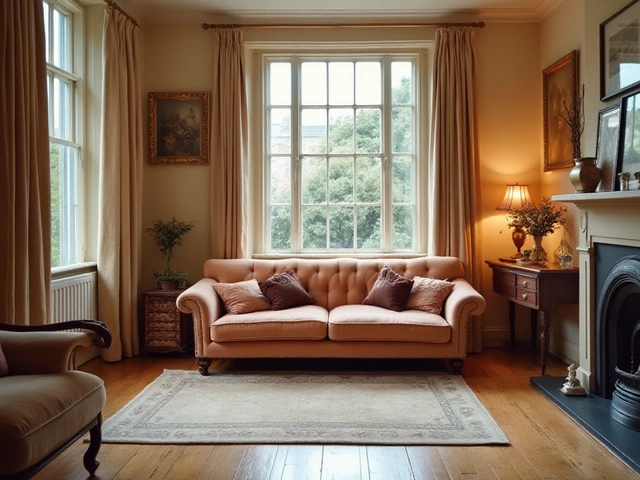
The sofa is the anchor of most living rooms. Before you buy one, think about traffic flow. Keep a clear path of at least two feet around the sofa so people can move without bumping into it. Avoid placing the back of the sofa against a narrow hallway; instead, let it face a focal point like a TV or a fireplace. If you have a small room, try a sectional that wraps around a corner – it saves floor space and still gives plenty of seating.
When you’re deciding where NOT to put a sofa, stay away from areas that block natural light. A sofa in front of a window can make the room feel dark and shrink the space. Also, don’t let the sofa sit too close to a door; it creates a bottleneck. A good rule of thumb is to leave at least a foot between the sofa and any doorway.
Smart Coffee Table Choices
Many people think a coffee table must sit dead center, but that’s just a habit from old design books. If your sofa is longer on one side, shift the table a few inches toward the shorter side to keep everything balanced. A 12‑inch coffee table can work in a modern layout, but make sure it’s sturdy enough for drinks and books. Look at the thickness of the wood – around 1.5 inches is usually strong without being heavyweight.
Keep the table clear of clutter. A tidy surface makes the room feel larger and lets you add a simple centerpiece like a small vase or a stack of magazines when you want a bit of personality. If you need extra storage, choose a table with a drawer or a lower shelf; it’s a habit that reduces the need for extra side tables.
Other habits that improve your living room involve TV placement. Mounting the TV on the wall saves floor space and creates a sleek look. Aim for a viewing height where the screen’s center is at eye level when you sit – usually about 42 inches from the floor for a 55‑inch TV. If you prefer a stand, pick one that matches the sofa’s height to avoid a jarring visual gap.
Finally, think about where you store things you don’t need every day. A cold garage or an unheated storage unit can warp wood furniture and invite mold. If you must store a sofa or a wooden piece, use breathable covers and keep them in a climate‑controlled space. Adding a dehumidifier to a storage room is a quick habit that protects your furniture for years.
By tweaking these everyday habits – proper sofa placement, flexible coffee table positioning, smart TV mounting, and safe storage – you’ll notice an instant lift in how your living room feels. The changes are simple, cost little, and can be done in an afternoon. Try one habit today and see how the room transforms.