Sofa Material Decision Helper
Who primarily uses your living room?
Your Ideal Choice:
Why this fits your life:
Quick Summary: The Fast Choice
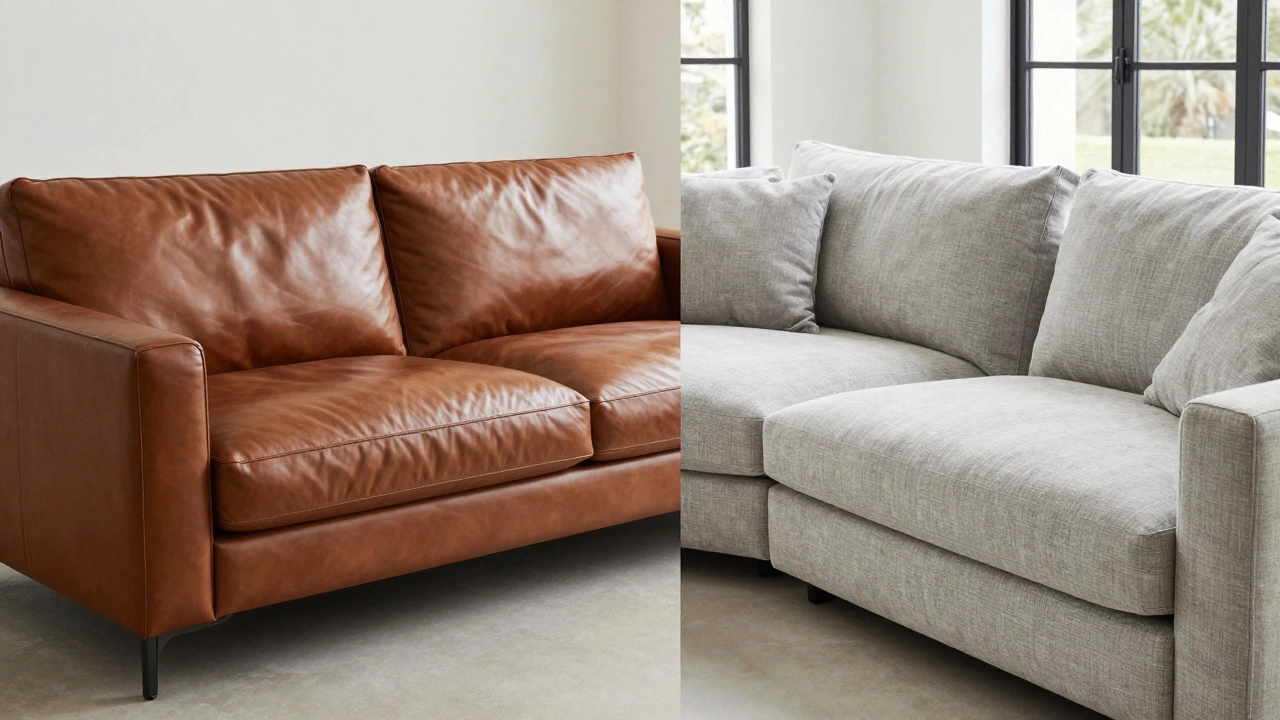
- Choose Leather if: You have allergies, pets that shed, or you want a piece of furniture that lasts 15+ years.
- Choose Fabric if: You want maximum coziness, a huge variety of colors, or you're shopping on a tighter budget.
- The Middle Ground: Consider faux leather or performance fabrics for a mix of durability and price.
The Durability Battle: Which One Lasts Longer?
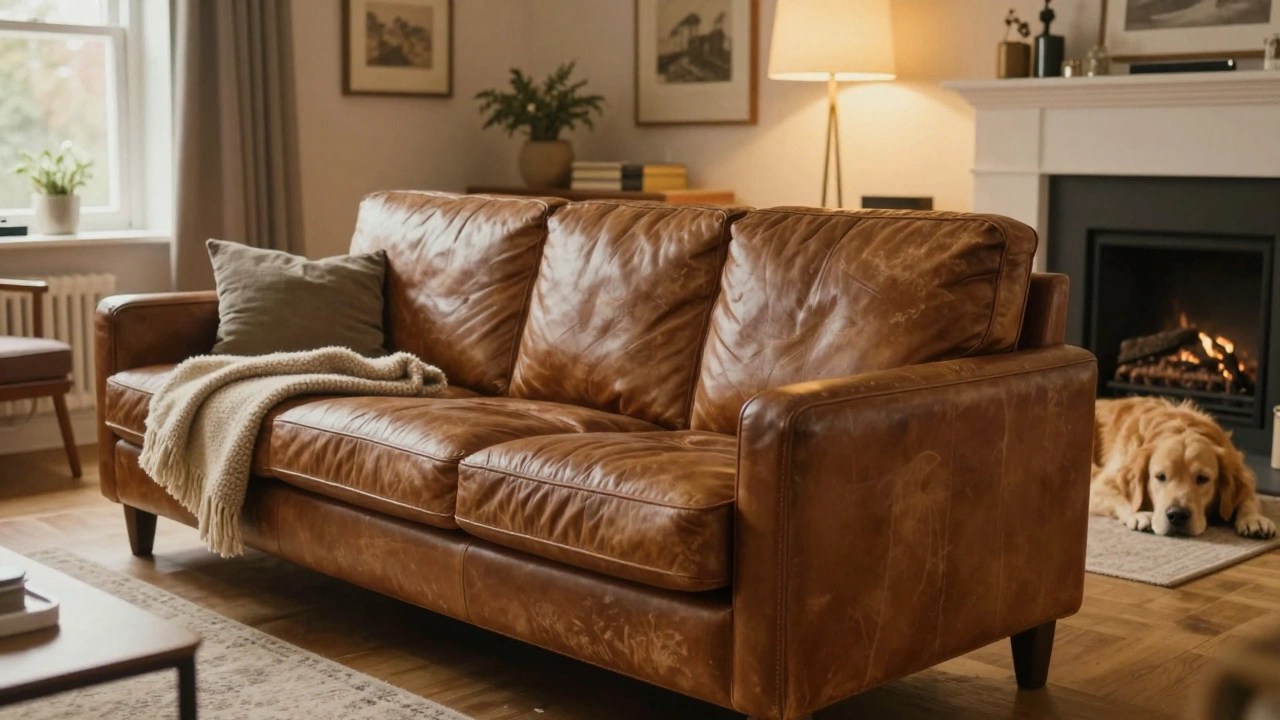
When we talk about durability, we aren't just talking about the frame, but how the surface holds up. A high-quality Full-Grain Leather sofa can literally last a lifetime. Unlike cloth, it doesn't fray or rip easily. In fact, it develops a patina over time-those little creases and color shifts that make an old leather chair look better than a brand new one.
Fabric, on the other hand, is more prone to wear and tear. Depending on the leather vs fabric sofas comparison, fabric is more likely to pill (those tiny annoying balls of fluff) or sag in high-traffic areas. However, if you choose a heavy-duty Polyester or Nylon blend, you can get a lot of mileage. The real killer for fabric is staining; once a glass of red wine soaks into a light gray linen couch, it's often there forever unless you've spent a fortune on professional cleaning.
| Feature | Genuine Leather | Fabric/Upholstery |
|---|---|---|
| Lifespan | Very High (15-20+ years) | Moderate (5-10 years) |
| Stain Resistance | High (Wipes clean) | Low (Absorbs liquids) |
| Comfort/Warmth | Temperature sensitive | Consistent & cozy |
| Initial Cost | Generally higher | Generally lower |
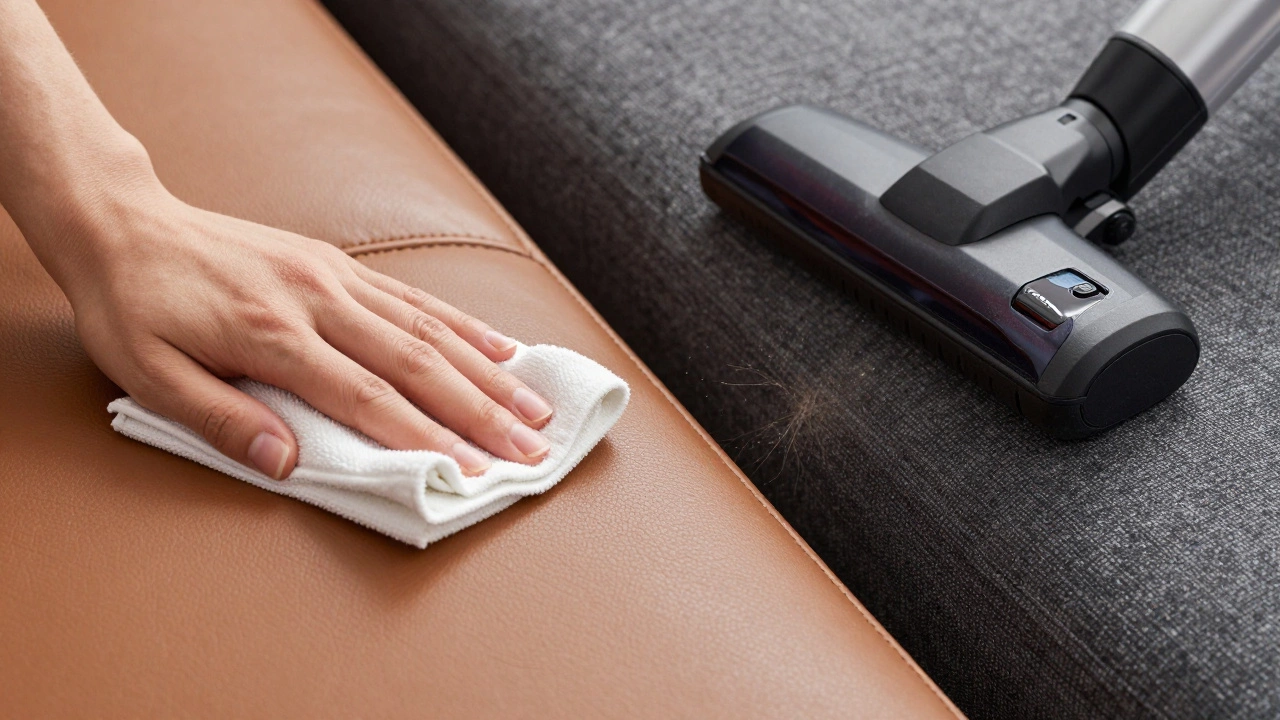
| Maintenance | Conditioning required | Vacuuming/Steam cleaning |
The Comfort Factor: Warmth and Feel
Have you ever sat down on a leather sofa in the middle of January? It's freezing. Then, you try to take a nap on it in July and find yourself sticking to the material. This is the biggest drawback of leather. It doesn't breathe the way fabric does, meaning it reacts sharply to the temperature of the room.
Fabric sofas are the champions of coziness. Whether it's Velvet, Chenille, or a simple cotton weave, fabric stays relatively neutral. It's softer to the touch and feels more "inviting" for a movie marathon. If your primary goal is a "sink-in" feeling, fabric is the way to go. Leather tends to be firmer and provides more support, which is great for your back but less so for lounging for six hours straight.
Living with Pets and Kids
This is where the decision usually gets made. If you have a cat that likes to scratch, leather is a risky gamble. One good swipe from a claw can leave a permanent gash in a leather hide. However, for dog owners, leather is a godsend. Hair doesn't weave itself into leather; you can simply wipe it off or use a vacuum attachment. With a fabric sofa, pet hair becomes part of the furniture's DNA.
For the parents, the choice depends on the "mess type." Spilled milk or muddy footprints are easy to handle on leather-just a damp cloth and you're done. But if your kids have a habit of drawing on things, leather is unforgiving. Fabric is more forgiving for some stains (if you have a good Fabric Cleaner) but far more susceptible to deep-set odors. Think about it: a leather sofa doesn't absorb smells, but a fabric one can hold onto a "wet dog" scent for weeks.
Maintenance: The Hidden Chore List
Many people buy leather because they think it's zero-maintenance. That's a myth. While you don't have to vacuum it as often, leather requires Leather Conditioner. If you let leather dry out, it will crack, and once it cracks, it's game over. You'll need to treat it every six months to a year to keep it supple.
Fabric maintenance is more about the "deep clean." You'll be vacuuming the crevices weekly to remove crumbs and dust. Every few years, you'll likely need a professional steam clean to get rid of the oils and grime that build up from human skin and clothing. The advantage here is that fabric covers are often removable and machine-washable, which is a luxury leather can never offer.
Budget and Long-Term Value
If you're looking at the price tag today, fabric almost always wins. You can get a massive, comfortable fabric sectional for a fraction of the cost of a high-end leather one. But we have to look at the cost per year. A cheap fabric sofa might look great for three years and then start looking "tired," forcing you to replace it.
A high-quality leather sofa is an investment. It's more expensive upfront, but because it lasts so much longer and holds its value better, it often ends up being the cheaper option over two decades. If you're renting and plan to move in two years, go fabric. If you're in your forever home, leather makes more financial sense.

Specialty Options: Performance Fabrics and Faux Leather
If you're still torn, there are "cheat codes" in the furniture world. Performance Fabrics are engineered textiles treated with moisture-repellent finishes. They are designed to resist stains and wear, giving you the feel of fabric with some of the durability of leather. Brands often use these in high-traffic family rooms.
Then there's Vegan Leather or synthetic alternatives. These are usually polyurethane-based. They look like leather and are easy to wipe down, but they lack the breathability and the long-term lifespan of the real thing. They tend to peel after a few years, making them a middle-of-the-road choice for those on a budget who hate the feel of cloth.
Does leather smell over time?
New leather has a distinct scent that most people love, and it fades over time. Unlike fabric, leather doesn't absorb odors from the environment, such as cooking smells or cigarette smoke, making it a better choice for people sensitive to scents.
Can I turn a fabric sofa into a leather one?
No, you cannot change the material of the sofa itself, but you can get it reupholstered. However, reupholstering is often nearly as expensive as buying a new sofa and requires a professional furniture technician.
Which material is better for people with allergies?
Leather is significantly better for allergy sufferers. Fabric traps dust mites, dander, and pollen within its fibers. Leather is non-porous, meaning allergens sit on the surface where they can be easily wiped away.
How do I remove a scratch from a leather sofa?
For light scratches, a leather repair kit with matching color filler can work. For deeper gouges, you'll need a professional leather technician to sand and re-dye the area. Avoid using DIY home remedies like olive oil, as they can stain the leather permanently.
Are fabric sofas better for a modern look?
Not necessarily. While fabric offers more color options (like bold teals or mustard yellows), leather is a timeless staple of both mid-century modern and industrial design. The "look" depends more on the shape and legs of the sofa than the material.
Next Steps: Making Your Final Decision
Before you hit the "buy" button, do a quick audit of your living room. If you spend your evenings with a glass of wine and a cat on your lap, a performance fabric in a neutral tone is your best bet. If you have three kids and a dog and want a sofa that will still be standing in 2040, go for a top-grain leather piece.
If you're worried about the coldness of leather, you can always add a throw blanket. If you're worried about fabric stains, buy a fabric protector spray immediately after delivery. Either way, prioritize how you actually live, not how you imagine a "perfect" living room looking in a catalog.