Lawn Protection Made Simple
Want a lawn that looks good even after kids, pets and the occasional rainstorm? You don’t need a secret formula – just a few smart habits. Below you’ll find clear steps that protect your grass without spending hours on the garden.
Everyday Threats to Your Lawn
Most people blame pests or fertilizer for a sad-looking lawn. In reality, everyday actions cause more damage. Heavy foot traffic compresses soil, making it hard for roots to breathe. Pets leave paw prints and can create bare spots with their urine. Weather is another culprit – too much rain turns the soil soggy, while scorching sun dries it out quickly.
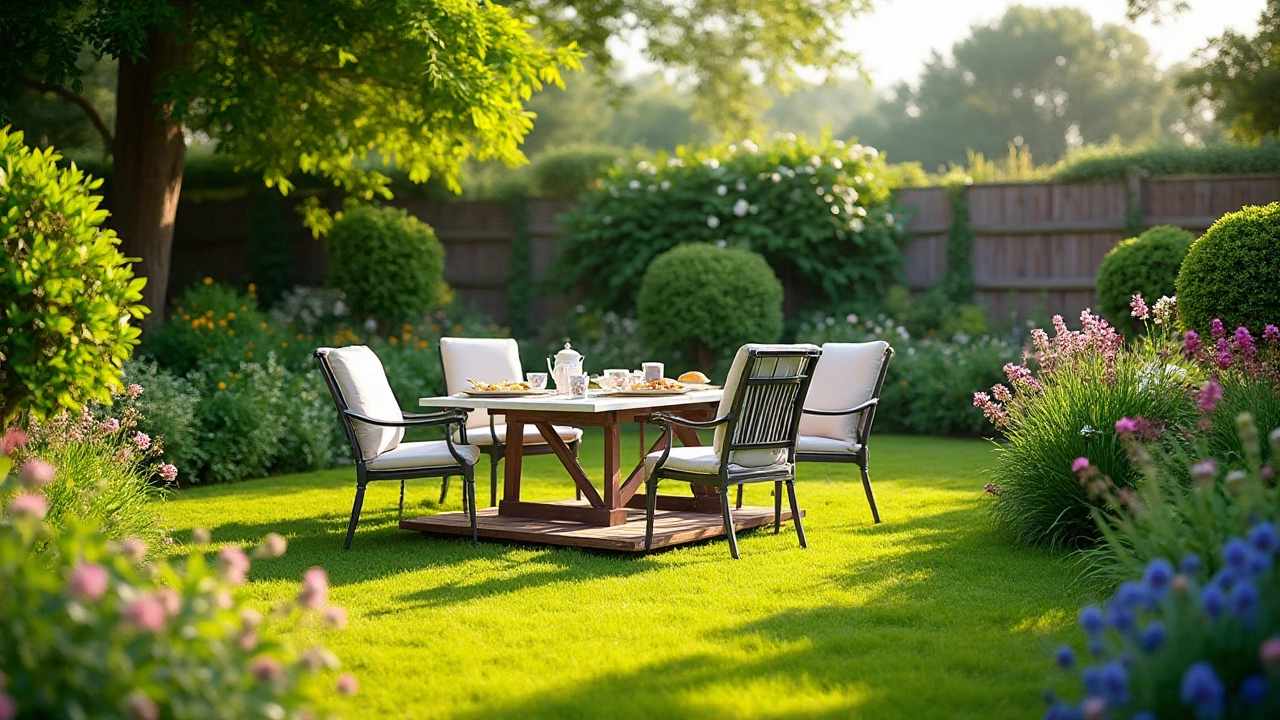
Even where you store garden furniture, the wrong placement can bruise grass. A patio set left on the grass for weeks will leave dark circles that take months to recover. Being aware of these simple threats helps you plan better.
Smart Ways to Shield Your Grass
Start with a clear path. Lay cheap stepping stones or a short gravel strip where you walk most often. This spreads the pressure and keeps soil loose. If you have kids, create a play zone with artificial turf or a rubber mat – it’s cheaper than re‑seeding a worn‑out patch later.
For pet owners, train dogs to use a specific area with mulch or pea gravel. The mulch absorbs urine and keeps the grass from turning yellow. A quick rinse with water after a bathroom break also cuts the sting.
When rain is heavy, avoid mowing until the ground is dry. Mowing wet grass shreds the blades and leaves a mess that invites weeds. If you notice puddles, improve drainage with a simple soil aerator – just poke holes with a garden fork every few weeks.
Protect against sun by watering early in the morning. A shallow soak once a week is enough for most lawns; deeper watering less often encourages deeper roots. If you have an irrigation system, set it to run early so the water can soak in before the heat arrives.
Seasonal care matters too. In autumn, rake away leaves before they smother the grass. In spring, overseed thin areas after the last frost. A thin layer of topsoil under the seed boosts germination and reduces erosion.
Finally, think about furniture storage. If you need to keep a garden table or chairs in the yard during winter, put them on a sturdy pallet or platform. This lifts the legs off the grass and prevents moisture from seeping into the soil.
By adding a few low‑cost steps – stepping stones, pet zones, mindful watering and proper storage – you’ll keep your lawn looking fresh all year. No need for expensive products; a little attention goes a long way toward a healthy, green yard.