Home Safety: Simple Steps to Protect Your House
Feeling safe at home starts with a few easy habits. You don’t need a massive renovation, just the right tweaks to everyday items. Below are quick actions you can take right now to stop accidents, keep furniture in good shape, and banish mold before it spreads.
Check Your Furniture and Fixtures
Heavy shelves, tall wardrobes, and wall‑mounted TVs can become hazards if they’re not secured. Use a stud finder to locate wall studs and attach brackets with sturdy screws. A properly mounted TV not only looks sleek, it also reduces the risk of it falling – a real danger for kids and pets.
If you own a large sofa or a heavy coffee table, make sure they sit on level floors. Uneven legs cause wobbling, which can lead to trips. Add felt pads or small shims under the legs to keep everything stable.
Prevent Mold, Moisture, and Pests
Mold loves damp corners, especially in basements, bathrooms, and storage areas. Keep humidity below 60% with a dehumidifier or by opening windows when weather permits. Wipe down any water spills right away and check grout lines for cracks.
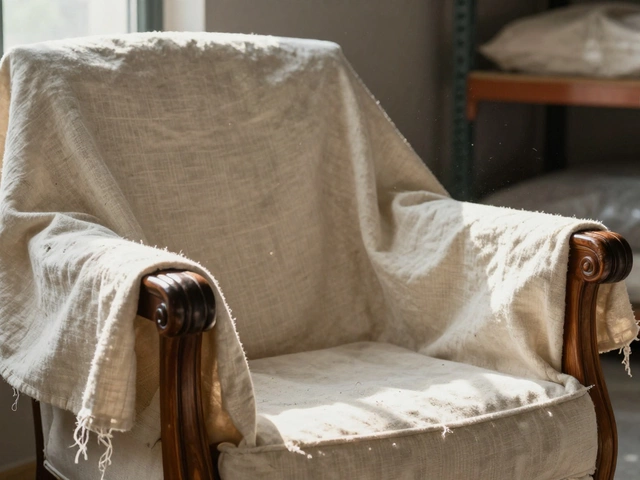
Storing furniture in an unheated garage or cold garage can invite mold and warping. If you must store items there, wrap them in breathable covers and elevate them off the floor. For wood pieces, use a climate‑controlled storage unit whenever possible.
Rodents are attracted to cluttered closets and storage cabinets. Keep drawers closed, seal gaps around doors, and choose furniture that doesn’t provide easy hiding spots. Simple scents like peppermint or peppermint oil can deter mice from nesting in your storage furniture.
Make Your Home Safer for Everyone
Clear walkways of cords, toys, and pet toys. A few seconds of tidying each day prevents trips and falls. Install night‑light strips in hallways so everyone can see the path after dark.
Check smoke detectors monthly and replace batteries at least once a year. A working detector gives you precious minutes to get out safely if a fire starts.
Finally, think about your front door. A bold black or deep navy door not only boosts curb appeal, it also signals a sturdy, secure entry point. Pair it with a deadbolt and a peephole for added protection.
By taking these small steps—securing furniture, controlling moisture, and keeping entry points strong—you’ll create a safer environment for your family and protect your investment in custom furniture. Start with one tip today and watch the safety of your home improve instantly.