Furniture Savings Estimator & Timing Guide
Estimated Savings
Pro Savings Tips:
- ✔ Shop on Tuesdays: Showrooms are quieter, giving you more leverage to negotiate.
- ✔ Bundle Up: Buying multiple pieces (e.g., sofa + coffee table) often triggers steeper discounts.
- ✔ End-of-Year Push: The last week of December is prime time for negotiating with sales staff hitting quotas.
Most people think Black Friday is the only time to score a deal, but that's a myth. While November is huge, there are several other windows throughout the year where retailers slash prices to clear out old stock for new arrivals. If you know the cycle, you can save hundreds-or even thousands-of dollars on a complete room makeover.
Key Takeaways for Smart Shoppers
- January and February are the gold mines for living room and bedroom furniture.
- August and September are the best windows for mattresses and office gear.
- Holiday weekends (Memorial Day, Labor Day) offer the best site-wide percentage discounts.
- End-of-month deadlines often push sales associates to offer deeper discounts.
The January and February Clearance Wave
If you can hold off on buying that new sofa until the start of the year, do it. January is arguably the best month for a furniture sale because of a simple reality: retailers need to make room for the new spring catalogs. Most furniture manufacturers release their new designs in the first quarter, and stores can't keep last year's models taking up expensive floor space.
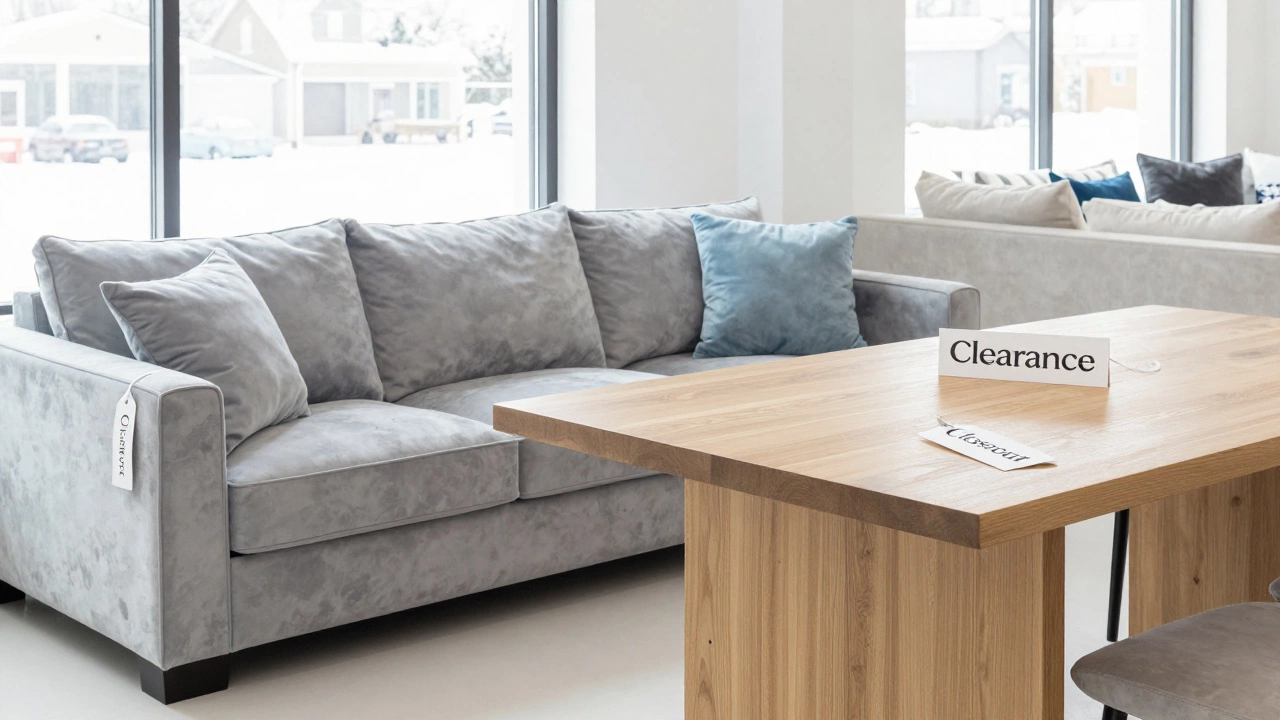
During this window, you'll often find "clearance" or "closeout" tags. These aren't just small discounts; we're talking about 40% to 60% off. Because people are usually broke after Christmas and New Year's, foot traffic in showrooms drops. This gives you incredible leverage. If you walk into a store in mid-February and find a floor model you like, the manager is often more willing to negotiate because that piece is effectively an obstacle to their new inventory.
The Mid-Year Holiday Blitz
In the United States, the period from May to September is dominated by holiday-linked sales. These aren't usually about clearing old stock, but rather about driving massive volume. Memorial Day (late May) and Labor Day (early September) are the two biggest anchors for these events.
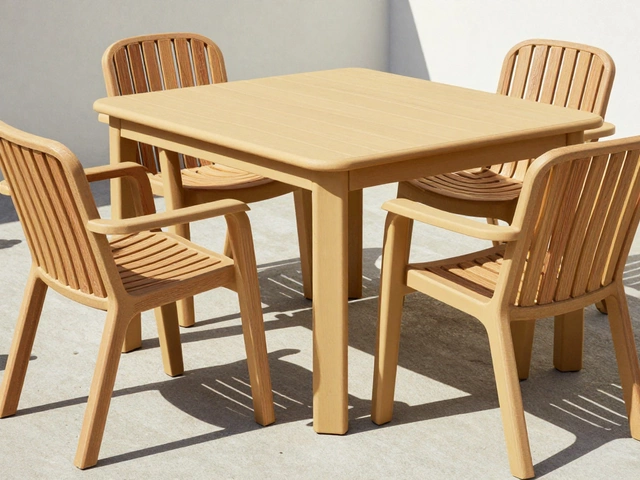
Retailers use these weekends to launch "store-wide" events. Instead of discounting a specific item, they might offer 20% off everything. This is the perfect time to buy a full set-like a matching sofa, loveseat, and armchair. If you're looking for Outdoor Furniture, Memorial Day is your absolute deadline. Once June hits, prices peak because everyone suddenly remembers they want a patio set for the summer. Buy in May to avoid the "summer premium."
| Furniture Type | Best Month | Reason | Expected Discount |
|---|---|---|---|
| Sofas & Sectionals | January / February | New model arrival | 30% - 50% |
| Mattresses | May / August | Holiday sales & Back-to-School | 20% - 40% |
| Dining Sets | November / December | Holiday hosting push | 15% - 30% |
| Patio Furniture | August / September | End-of-season clearance | 50% - 70% |

The Back-to-School and Office Surge
August is a sleeper hit for furniture deals. While everyone is focused on notebooks and backpacks, Office Chairs and desks go on massive sale. College students moving into dorms create a huge demand, and retailers compete fiercely for that business. If you're setting up a home office, August is the time to strike.
Mattresses also see a dip in price during August. Many brands run "Back-to-College" promotions. Since mattresses are heavy and expensive to ship, stores often offer deep discounts on floor models or slightly older versions of their flagship memory foam lines to keep the inventory moving.
The Q4 Madness: November and December
We can't ignore November. Black Friday and Cyber Monday are the most aggressive sales of the year. However, there's a catch: the best deals are often on lower-end, mass-produced items. If you're looking for high-end, solid wood pieces, the November rush can actually be a disadvantage because the stores are chaotic and stock runs out fast.
December is a strange time. Early in the month, prices are high because people are panic-buying for Christmas guests. But if you shop in the last week of December, you're entering the "dead zone." Retailers are desperate to hit their end-of-year tax write-offs and quotas. This is a great time to negotiate. A salesperson who hasn't hit their monthly goal by December 28th will do almost anything to close a sale.

Pro Tips for Maximizing Your Savings
Timing the month is only half the battle. To truly get the lowest price, you need to use a few psychological triggers during the purchase process. First, always ask for the "floor model." These are the pieces that have been in the showroom for six months. They might have a tiny scratch on the leg, but that's often enough for the store to knock another 20% off the already discounted sale price.
Second, shop on weekdays. If you go in on a Saturday afternoon, the salesperson is too busy to negotiate. If you go in on a Tuesday morning when the showroom is empty, you are the only priority. You have the power to say, "I love this sofa, but it's just a bit over my budget. If you can do X price, I'll take it right now."
Third, check for "bundle" deals. Many stores will give you a steeper discount if you buy a Sofa Bed and a matching coffee table together. Even if you don't desperately need the table, the combined discount can sometimes make the total cheaper than buying the sofa alone at full price.
Common Pitfalls to Avoid
Be careful with "perpetual sales." Some big-box stores keep items "on sale" 365 days a year. In these cases, the listed price isn't actually a discount-it's the standard price. To figure out if a deal is real, track the price for a few weeks. If it never moves, the "sale" is just a marketing tactic to create a false sense of urgency.
Also, beware of the delivery trap. A great deal on a dining table can be ruined by a $200 delivery fee. Always clarify if the shipping is included in the sale price. Sometimes, negotiating the delivery fee is easier than negotiating the price of the furniture itself.
Which month is objectively the cheapest for furniture?
January and February are generally the cheapest months. This is when retailers clear out the previous year's inventory to make room for new spring arrivals, leading to deep clearance discounts that often exceed holiday sales.
Is it better to buy furniture on Black Friday or in January?
It depends on what you want. Black Friday is better for brand-new, trendy items and electronics-integrated furniture. January is better for high-quality, classic pieces that are being cleared out to make room for the next season's line.
When should I buy outdoor furniture to get the best deal?
The absolute best deals on outdoor furniture happen in August and September. Retailers want to empty their patios before winter hits, so you can often find 50% to 70% off if you're willing to wait until the end of the season.
Do furniture stores actually negotiate prices?
Yes, especially at independent stores and for floor models. If you are buying multiple pieces or shopping during a slow period (like a Tuesday in February), you have a high chance of negotiating a better price than what is on the tag.
Are there specific days of the week that are better for shopping?
Tuesdays and Wednesdays are usually best. Showrooms are less crowded, and staff are more likely to spend time helping you negotiate or finding a hidden discount to meet their weekly targets.
Next Steps for Your Shopping Trip
If you're planning a purchase right now, start by creating a "wish list" with the MSRP (manufacturer's suggested retail price) of the items you want. This gives you a baseline so you know exactly how much of a discount you're actually getting.
For those who aren't in a rush, set a calendar alert for the first two weeks of January. That is your window for the biggest savings on indoor furniture. If you're looking for a home office upgrade, wait until August. By aligning your purchases with the industry's inventory cycles, you stop paying for the retailer's overhead and start getting actual value for your money.