Good Sofa: What Makes a Sofa Truly Comfortable and Lasting
When people search for a good sofa, a durable, well-built seating solution designed for daily use and long-term comfort. Also known as a quality sectional or premium couch, it's not just a piece of furniture—it's where you unwind, watch movies, and sometimes even sleep. A good sofa doesn’t win because of a fancy label or a big price tag. It wins because of how it feels after hours of sitting, how it holds up over years, and how well it fits your body and space.
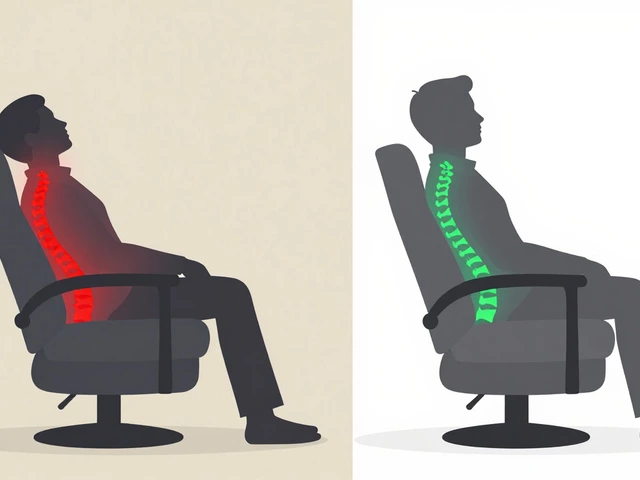
The real difference between a good sofa and a cheap one comes down to three things: sofa depth, sofa craftsmanship, and luxury sofa design. Sofa depth isn’t just a number—it’s the distance from the front edge of the seat to the backrest. Too shallow, and your legs dangle. Too deep, and you sink in like a hammock. For most people, 20 to 23 inches is the sweet spot, but if you’re taller than 6 feet, you’ll need 24 inches or more. Craftsmanship? That’s the hardwood frame, the hand-tied springs, the double-stitched seams. You won’t see it on the surface, but you’ll feel it after five years when the cheap sofa has collapsed and yours still holds shape. And luxury design? It’s not velvet or gold legs. It’s clean lines, balanced proportions, and fabric that doesn’t pill or fade after six months of sunlight.
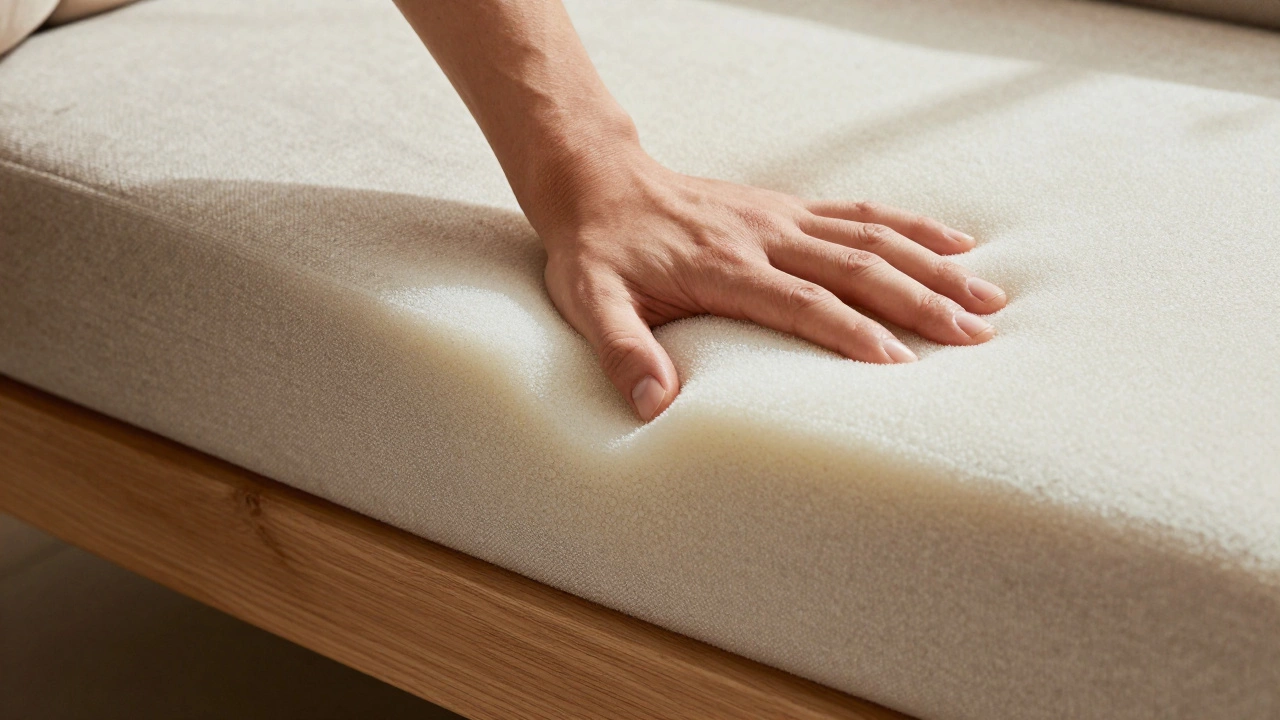
People think a good sofa has to cost thousands. It doesn’t. But it does need to be built right. Look for frames made of kiln-dried hardwood, not particleboard. Check the cushions—if they’re high-density foam wrapped in down, they’ll stay plump. Avoid sofas with loose back cushions unless you like fluffing them every day. And don’t ignore the legs. Solid wood or metal legs mean the sofa was meant to last. Plastic legs? That’s a sign it’s meant for a dorm room, not your living room.
What you’ll find in the posts below isn’t a list of the top 10 sofas. It’s the real talk behind what makes a sofa worth buying. You’ll learn why a 75-inch TV on a 60-inch stand might look cool but is a safety risk, how to spot an expensive-looking sofa without paying luxury prices, and why the most comfortable sofa depth isn’t the same for everyone. You’ll read about how Lazy Boy chairs can last two decades if built right, and why beige sofas are dominating 2024—not because they’re trendy, but because they’re timeless. This isn’t about hype. It’s about making a choice that lasts longer than your next Netflix binge.