Furniture Tips: Easy Ways to Care, Store and Choose Your Pieces
Ever wonder why some furniture looks brand new after years while other items lose their shine fast? The secret is usually in the everyday decisions you make. From where you park a sofa to how you protect a wooden table, a few smart moves can add years to your pieces and save you cash.
Smart Storage & Protection
If you’ve ever squeezed a favorite chair into a garage or stacked a dining set in a storage unit, you know the stress of protecting furniture off‑site. Keep wood away from cold, damp places; temperature swings cause warping and cracks. Use breathable covers instead of plastic, and place a moisture‑absorbing pack in the corner. For smaller items, elevate them on pallets or sturdy boards so the floor’s moisture can’t seep up.
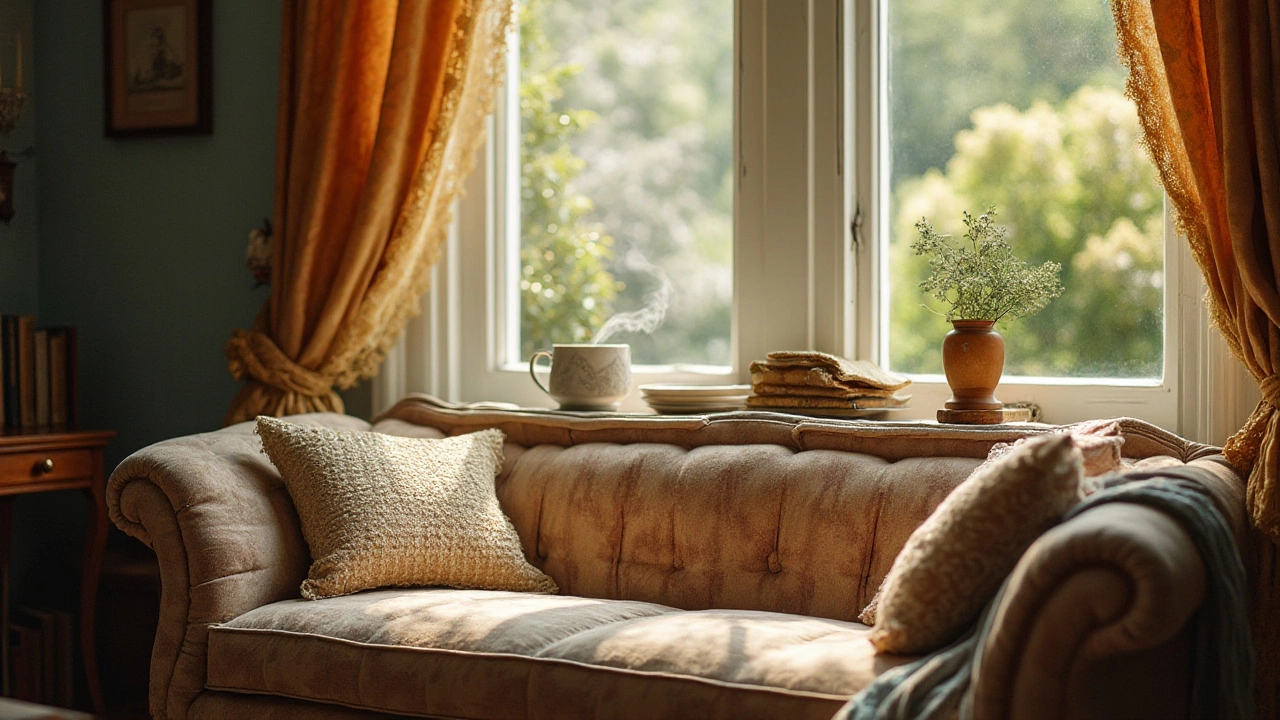
Upholstered pieces hate humidity too. A quick spray of a water‑based fabric protector adds a barrier against spills and mold. When you need to store a couch for a few months, wrap it in a cotton sheet, not a tarp, and store it upright if space allows. That way the cushions keep their shape and air can circulate.
Choosing & Maintaining Furniture
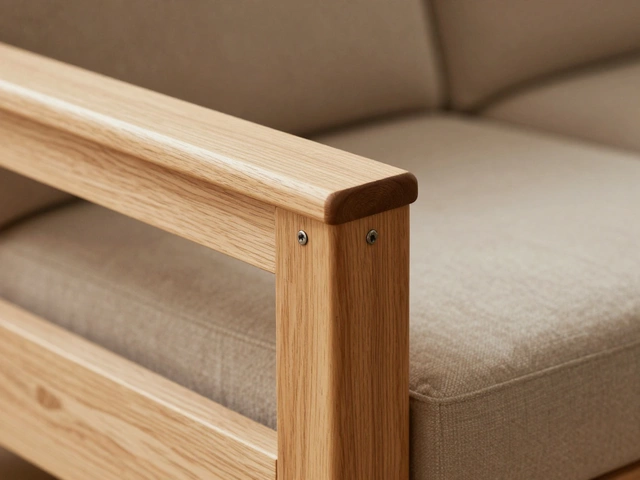
When buying, focus on materials that match your climate and lifestyle. Solid hardwood frames, stainless‑steel legs, and high‑density foam cushions handle daily wear better than particle board or low‑grade foam. Ask the maker about finish durability—matte polyurethane holds up well in households with kids or pets.
Every week, give hard surfaces a quick wipe‑down with a soft cloth and a mild soap solution. Avoid harsh chemicals; they strip finishes and invite scratches. For wood, a light coat of wax or oil once every six months keeps the grain supple and resistant to drying out.
Placement matters too. Keep large sofas away from direct sunlight; UV rays fade fabric and dry out leather. If a TV stand sits on a carpet, use felt pads to stop dents. And don’t forget the floor—area rugs protect hardwood from scratches while adding style.
Got a DIY streak? Simple projects like adding a felt strip to the bottom of chair legs or tightening loose screws can prevent wobble and noise. A quick drill‑in of a wood glue joint on a coffee table can turn a wobbly piece into a sturdy centerpiece.
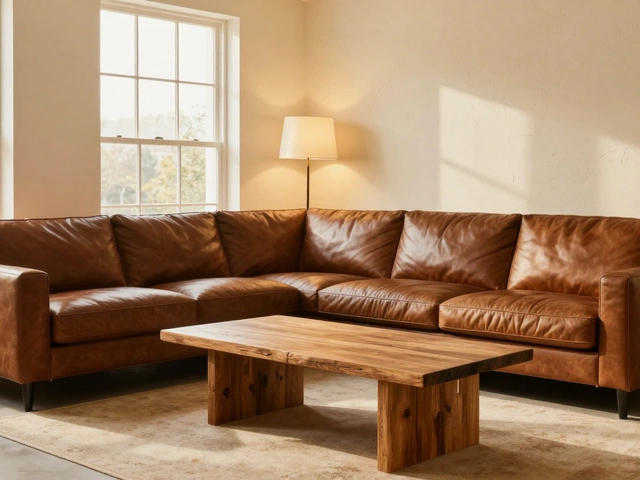
Finally, think long‑term when you plan a purchase. A higher‑priced sofa that uses top‑grade leather and a solid frame often outlasts a cheaper one that needs replacing in a couple of years. The same goes for outdoor furniture—choose powder‑coated aluminum or teak if you want something that survives rain, sun and wind without constant repainting.
By treating your furniture with a bit of forethought—proper storage, regular cleaning, and smart buying—you’ll keep your home looking fresh and avoid costly replacements. Those little habits add up, letting you enjoy quality pieces for years to come.