Sofa Durability Estimator
Select Sofa Specifications
Estimated Lifespan
Select options to begin
Configure the specifications on the left to see how long your sofa will last.
Quality Breakdown:
You spend roughly nine hours a day sitting. If you’re like most people, a significant chunk of that time happens on your sofa. It’s not just a piece of furniture; it’s the backbone of your living room. But here is the hard truth: most mass-market sofas are built to last three to five years before they start sagging, squeaking, or looking tired. You don’t want a temporary fix. You want a seat that survives kids, pets, and decades of relaxation without losing its shape.
So, what type of sofa lasts the longest? The answer isn’t about style-it’s about engineering. A durable sofa relies on three non-negotiable components: a solid hardwood frame, high-resilience cushioning, and premium upholstery. When these elements align, you can expect 10 to 20 years of service. Let’s break down exactly how to spot quality so you don’t waste money on furniture that falls apart.
The Foundation: Why the Frame Matters Most
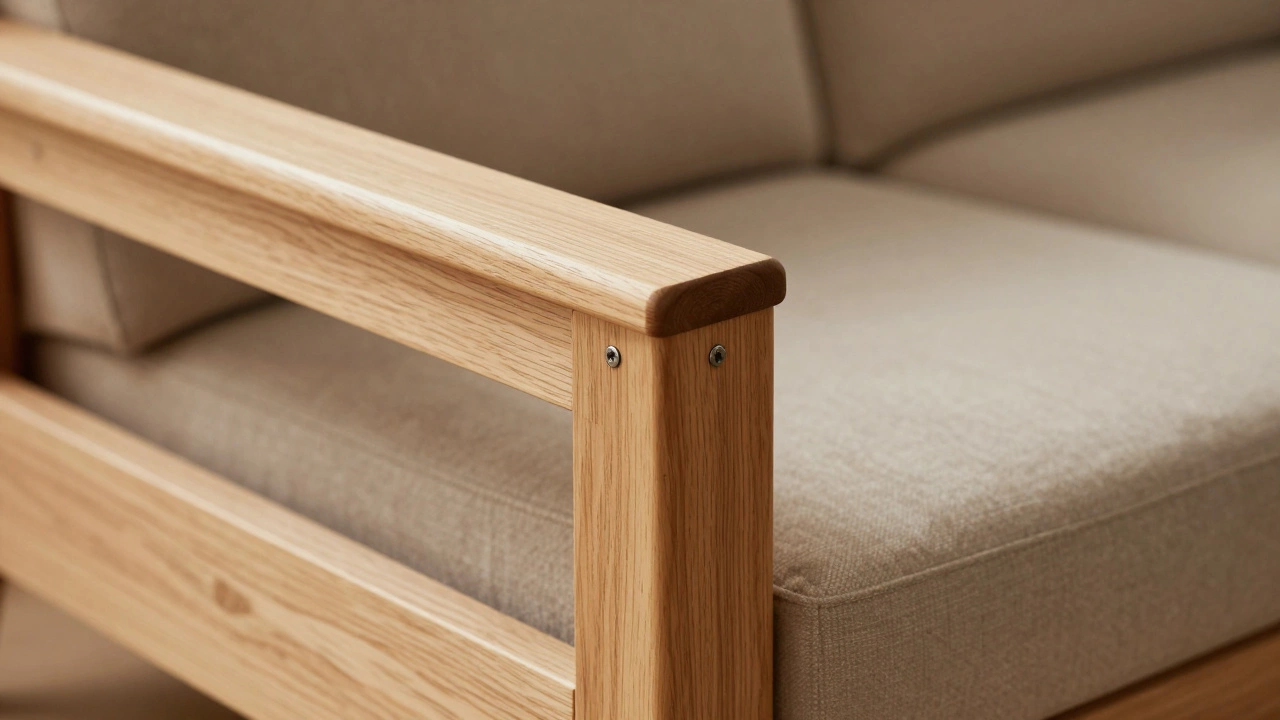
If the cushions are the comfort, the frame is the skeleton. A weak frame means a weak sofa, no matter how nice the fabric looks. When you look at sofa construction, the material used for the frame is the single biggest predictor of longevity.
Avoid particle board, plywood, or softwoods like pine if you want long-term durability. These materials warp with humidity changes and snap under heavy loads. Instead, look for kiln-dried hardwoods. Oak, ash, and hard rock maple are the gold standards. Kiln-drying removes moisture from the wood, preventing it from shrinking, swelling, or cracking over time.
How do you know if a sofa has a good frame? Flip it over. Yes, really. If you’re buying in-store, ask to see the underside. You should see corner blocks-triangular pieces of wood screwed into the joints where the legs meet the frame. Dovetail joints are even better. These mechanical connections hold the frame together far stronger than glue alone. Glue fails; screws and dovetails do not.
- Best Materials: Hardwood (oak, ash, maple)
- Construction Method: Corner-blocked and screwed, or dovetailed
- Red Flags: Particle board, stapled joints, lack of visible support
Cushioning: The Battle Against Sagging
A strong frame is useless if the seat collapses after six months. This brings us to the filling. There is a myth that denser foam is always harder. That’s false. Density refers to weight per cubic foot, while firmness refers to how hard it feels. For longevity, you care about density.
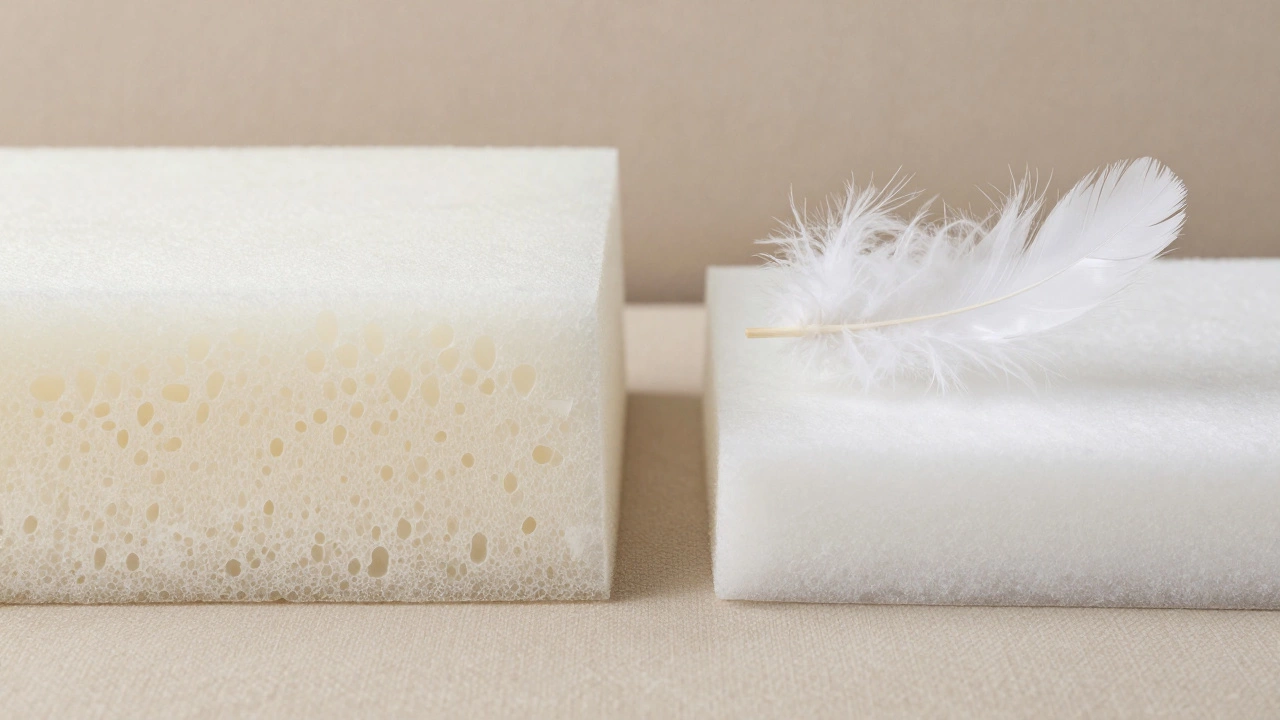
Look for high-resilience (HR) foam with a density of at least 1.8 pounds per cubic foot. Standard foam found in cheap sofas often sits around 1.5 or lower. HR foam bounces back faster and resists compression set-the technical term for when foam loses its ability to spring back.
Many luxury sofas use a hybrid approach. They layer high-density foam with down feathers or polyester fiber. This gives you the initial plush feel of down with the structural support of foam. Pure down cushions look beautiful but require daily fluffing and eventually compress permanently. Pure foam can feel rigid. The hybrid model offers the best balance of comfort and lifespan for most households.
| Material | Durability Rating | Maintenance | Best For |
|---|---|---|---|
| High-Resilience Foam (1.8+ PCF) | Excellent (10+ years) | Low | Daily use, active households |
| Polyester Fiber | Poor (2-3 years) | Medium (fluffing required) | Budget options, guest rooms |
| Down Feathers | Good (structure fades) | High (daily fluffing) | Luxury lounging, low traffic |
| Hybrid (Foam + Down) | Very Good (8-12 years) | Medium | Balanced comfort and support |
Upholstery: Fabric vs. Leather
The skin of the sofa takes the most abuse. Spills, pet claws, sunlight, and friction all attack the fabric. Choosing the right upholstery determines whether your sofa looks new in five years or stained and frayed.
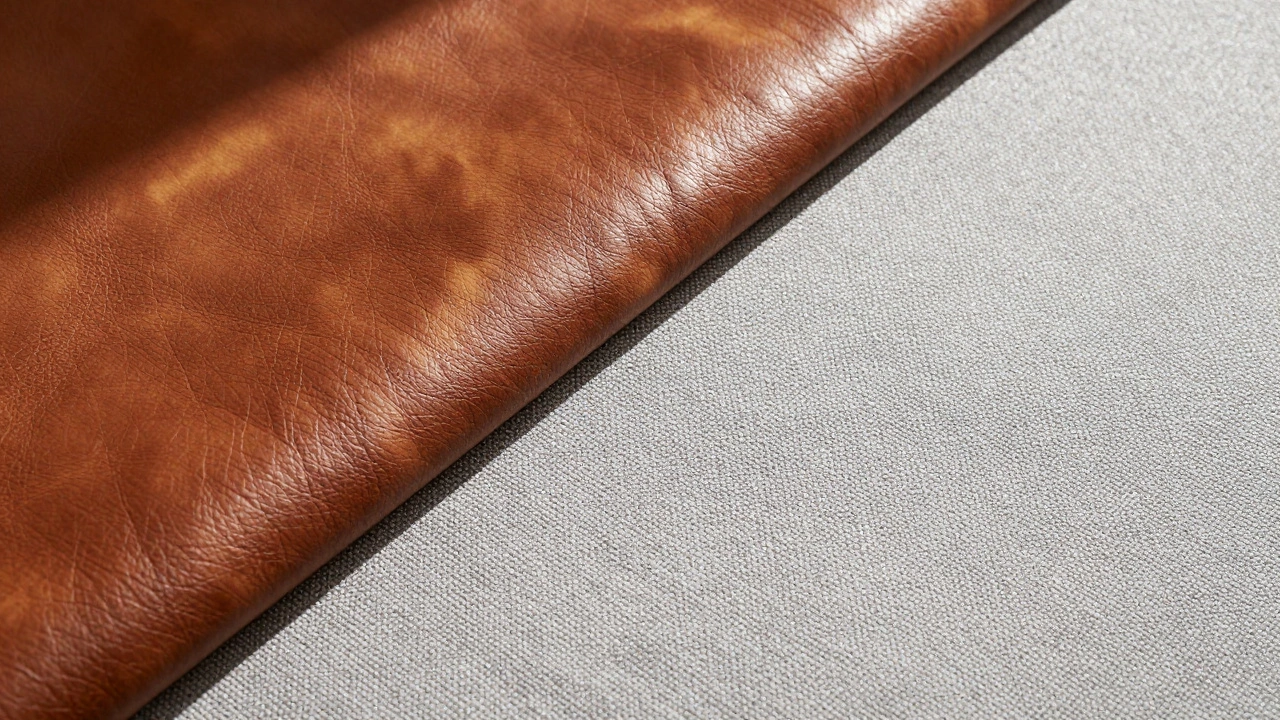
If you have pets or young children, top-grain leather is arguably the most durable option available. Unlike bonded leather, which peels and cracks within two years, top-grain leather develops a patina over time. It gets softer and more characterful, rather than falling apart. It is also incredibly easy to clean; most spills wipe right off. However, it requires occasional conditioning to prevent drying out.
For fabric lovers, avoid delicate weaves like linen or silk unless this sofa lives in a formal room with zero foot traffic. Instead, choose performance fabrics. Brands like Sunbrella or Crypton create textiles that are stain-resistant, antimicrobial, and highly durable. Look for a double-rub count on the Martindale test. A rating above 30,000 double rubs indicates commercial-grade durability suitable for heavy home use.
Tight-weave synthetics like microfiber are also excellent choices. They resist pilling and are often cheaper than leather while offering similar ease of cleaning. Just ensure the weave is tight enough that pet claws can’t snag threads.
Spring Systems: The Hidden Support
Between the frame and the cushion lies the spring system. This component dictates how the sofa handles weight distribution. There are two main types: sinuous springs and eight-way hand-tied coils.
Sinuous springs are S-shaped metal wires that run across the width of the sofa. They are common in mid-range furniture. While decent, they can lose tension over time, leading to that dreaded "hammock" effect in the middle of the seat.
Eight-way hand-tied coils are the premium choice. Each coil is individually tied to its neighbors by hand using cotton twine. This allows each spring to move independently, providing superior support and longevity. If one spring breaks, the others compensate. This system is labor-intensive, which is why you find it in higher-end sofas, but it is the reason some antique sofas still sit comfortably today.
Signs of a Cheap Sofa (And How to Avoid Them)
You don’t need to be an engineer to spot a poorly made sofa. Here are the red flags that signal a short lifespan:
- The Wobble Test: Sit on the armrests. If the sofa wobbles significantly, the frame lacks adequate bracing.
- Visible Gaps: Check the seams. Uneven stitching or gaps between the cushion and the frame suggest poor craftsmanship.
- Lightweight Feel: A durable sofa is heavy. If two people can lift it easily, it likely uses lightweight woods or thin metals.
- Vague Specifications: If the retailer cannot tell you the wood type, foam density, or spring system, assume it’s the cheapest option available.
Maintenance Tips to Extend Lifespan
Even the best sofa needs care. Rotating cushions every few weeks ensures even wear. Vacuuming crevices regularly prevents dust mites and grit from grinding down fibers. For leather, apply a conditioner once or twice a year. For fabric, treat spills immediately with a damp cloth-never rub, blot instead. Addressing small stains early prevents permanent setting.
Keep your sofa away from direct sunlight. UV rays fade fabrics and dry out leather, causing cracks. If placement near a window is unavoidable, use blackout curtains or UV-protective film.
How long should a good quality sofa last?
A well-constructed sofa with a hardwood frame, high-resilience foam, and quality upholstery should last between 7 to 15 years. Premium models with hand-tied springs and top-grain leather can easily exceed 20 years with proper maintenance.
Is leather or fabric more durable for sofas?
Top-grain leather is generally more durable for high-traffic homes, especially those with pets or kids, because it resists stains and doesn't fray. However, high-performance fabrics like Crypton or tightly woven microfibers offer comparable durability with easier color matching for decor.
What is the best wood for a sofa frame?
Kiln-dried hardwoods such as oak, ash, and hard rock maple are the best choices. They resist warping and breaking. Avoid softwoods like pine or engineered woods like particle board, which degrade quickly under stress.
Do expensive sofas last longer?
Not always, but price often correlates with material quality. An expensive sofa may cost more due to brand name or design, but if it uses hardwood frames, HR foam, and durable fabrics, it will outlast cheaper alternatives. Always check specifications, not just the price tag.
How can I tell if a sofa has a solid frame?
Ask to see the underside of the sofa. Look for corner blocks screwed into the joints and dovetail connections. The frame should feel heavy and rigid, not light or flexible. If you can see particle board or staples holding the frame together, it is not a durable build.