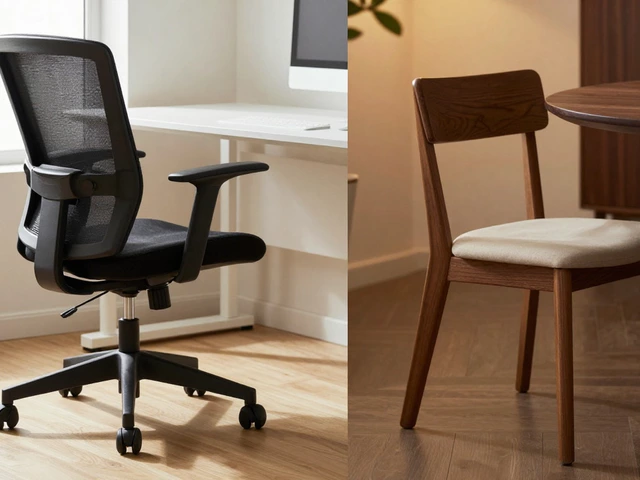
Furniture Placement Tips: Arrange Your Space Like a Pro
Ever walked into a room and felt something was off, even though the furniture looked decent? Most of the time it’s how the pieces are placed, not what they are. Good furniture placement can make a cramped apartment feel airy, and a large house feel cozy. Below are straightforward steps you can apply right now, no design degree required.
Start with the Focal Point
Every room has a natural draw—maybe it’s a fireplace, a big window, or a TV. Anchor your biggest piece of furniture to that focal point. If the TV is the star, place the main sofa opposite it, leaving a few feet of walking space. For a living‑room with a window view, angle the sofa to face the glass and add a side chair to balance the scene. This simple rule gives the eye a place to rest and keeps the layout from feeling scattered.
Create Balanced Traffic Flow
People move in patterns, so make sure there’s a clear path between doors, windows, and key pieces. Aim for at least 2‑3 feet of aisle space around high‑traffic spots. If you have a round dining table, keep chairs pulled in just enough to walk through without squeezing. In a bedroom, place nightstands on either side of the bed and leave space for the door to swing open without hitting anything.
Once the main pieces are set, fill in the gaps with smaller items—side tables, lamps, or a rug. Choose items that complement the scale of the room; a massive coffee table will dominate a tiny space, while a tiny stool looks lost in a large lounge. A good trick is to step back and look at the room from the doorway. If you can see the layout clearly, you’re probably on the right track.
Don’t forget about symmetry and asymmetry. Symmetrical layouts feel formal and are perfect for traditional spaces. Asymmetrical arrangements add a relaxed vibe—just keep the visual weight balanced. For example, pair a large armchair with a smaller loveseat and a tall floor lamp on the opposite side.
Lastly, test your setup. Live with the arrangement for a day or two. Do you feel comfortable walking around? Does the room feel inviting? Small tweaks—like nudging a chair an inch or swapping a side table for a bench—can make a big difference. Furniture placement is less about strict rules and more about how the space works for you.