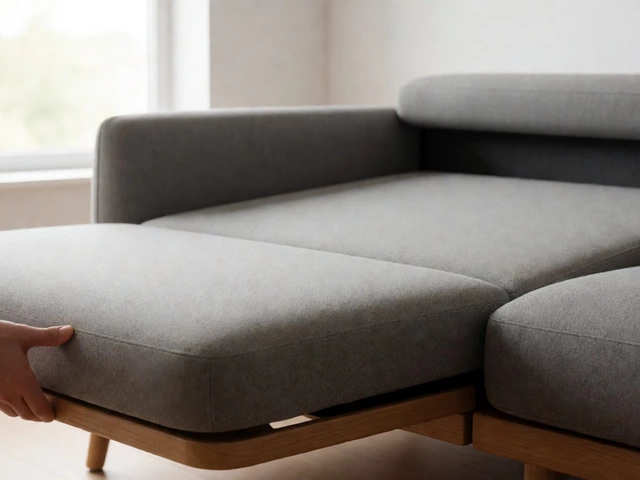
Eye Level: The Sweet Spot for Furniture
Ever wonder why some rooms just feel right while others feel off? It often comes down to eye level. When furniture sits at the right height, it looks balanced and you don’t have to strain your neck or reach too far. Below you’ll get straight‑forward tips to hit that sweet spot in every part of your home.
Why Eye Level Matters
Eye level is the height where your eyes naturally rest when you’re standing or seated. Placing pieces at this height makes a room feel harmonious and keeps daily tasks easy. A coffee table that's too low forces you to hunch, while one that's too tall turns it into a side table. The same rule applies to TV mounts, kitchen counters, and even artwork.
Designers use a simple rule: keep the most used surface within a few inches of your eye line. For a standing person, that’s roughly 55‑65 inches from the floor. For a seated person, it drops to about 30‑36 inches. Stick to those ranges and you’ll notice a big difference in comfort.
Practical Eye‑Level Fixes for Each Room
Living room – Your coffee table should sit about the height of your sofa’s seat cushions, usually 16‑20 inches. This lets you reach drinks without stretching. If you love a low, modern look, keep the table under 15 inches but add a small footstool nearby for easy access.
For the TV, the ideal center point is just below eye level when you’re on the couch. Measure from the floor to your eyes, then subtract half the TV’s height. Mount the screen at that point for a relaxed viewing experience.
Dining area – Standard dining tables sit 28‑30 inches high, which matches most chairs. If you have a bar‑style table, aim for 40‑42 inches and pair it with stools that have a seat height of 28‑30 inches. This pairing avoids cramped legs and lets you chat comfortably.
Bedroom – Bedside tables work best when the top is within the range of your eye level while lying down – usually 24‑28 inches. This way you can grab a book or phone without twisting.
When you pick a nightstand lamp, choose a shade that keeps the light source at eye level for reading. It reduces eye strain and makes bedtime routines smoother.
Kitchen – Countertops are typically 36 inches high, perfect for most people standing. If you’re shorter, consider a raised prep station at 40 inches for chopping. Keep frequently used appliances (like a coffee maker) on a lower shelf so you don’t have to reach up.
Throughout the house, use a tape measure and simple eye‑level test: stand or sit where you’ll spend the most time, look straight ahead, and note where your line of sight hits the wall. Anything you place at that height will feel natural.
Finally, don’t forget visual balance. Even if a piece meets the height rule, it should also match surrounding furniture. A tall bookshelf next to a low sofa can still look right if the overall proportion feels even.
By thinking about eye level first, you’ll pick furniture that not only looks good but also makes life easier. Try measuring one room today and adjust a piece or two – you’ll notice the change right away.