Expensive Furniture: When It’s Worth the Price
Not every pricey sofa or hand‑crafted table is a good investment. If you know why a piece costs more, you can decide if it’s worth the spend. Below we break down the real drivers behind high‑end furniture and give you a quick checklist to buy smarter.
What Drives the Cost?
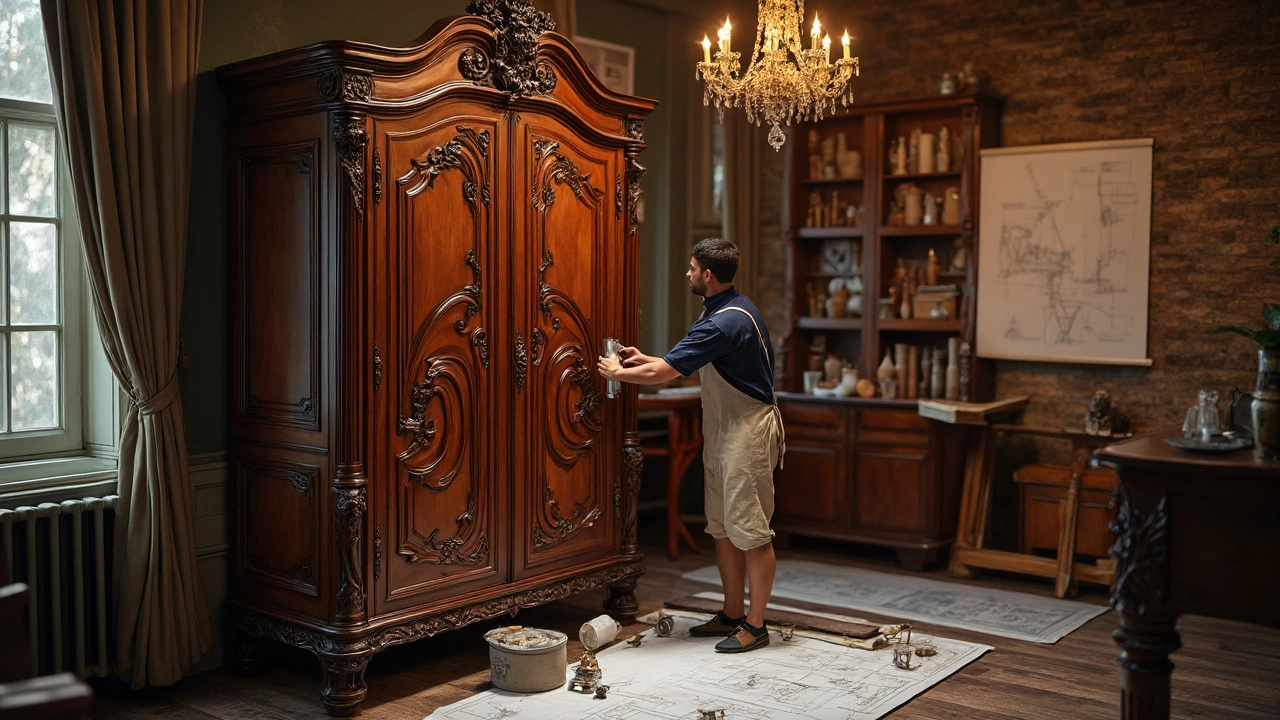
First up, material matters. Solid hardwoods like oak, walnut, or teak cost more than particle board because they’re denser, last longer, and develop a richer patina. Second, the finish. Hand‑applied oils, waxes, or high‑grade paints need skilled labour, which adds to the price. Third, craftsmanship. A piece built by a trained joiner with dovetail joints will out‑last a flat‑pack item, but it also comes with a higher labour bill.
Design is another factor. Limited‑edition collections or pieces created by a known designer carry a premium because you’re paying for the name as well as the work. Finally, customization. If you ask for a specific size, unusual hardware, or a unique fabric, the maker has to adjust the production line, and that cost shows up in the final tag.
Smart Ways to Choose High‑End Pieces
Start with a purpose check. Ask yourself: will this item see heavy daily use or sit in a low‑traffic room? A solid wood dining table in a family kitchen needs more durability than a decorative sideboard in a hallway.
Next, test the build. Look for tight joints, smooth hinges, and even grain. Give the surface a gentle tap – a dull thud means solid wood, while a hollow sound hints at shortcuts.
Consider the warranty. Reputable makers often back their work with a 5‑10 year guarantee on structural parts. If a seller can’t offer that, think twice before splurging.Don’t forget resale value. Pieces from well‑known makers or with timeless design tend to hold their price better. If you ever need to move or sell, those items will be easier to price.
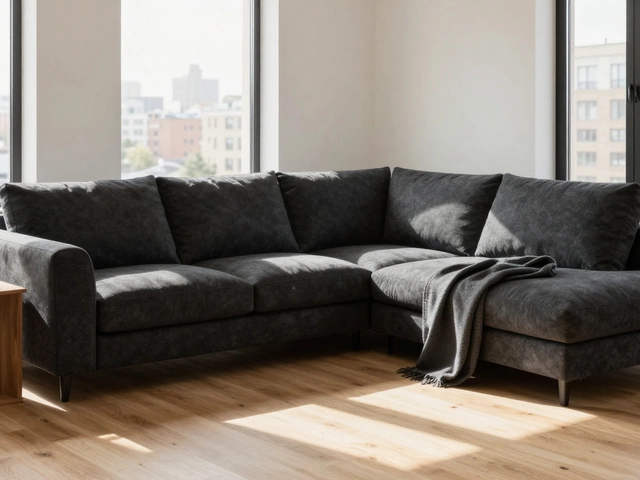
Lastly, compare the cost per use. A $3,000 sofa that lasts 15 years is cheaper per year than a $800 couch that needs replacement after 5. Divide the price by expected years of life and you’ll see which option makes more sense.
By focusing on material, build quality, warranty, and lifespan, you can enjoy the look and feel of expensive furniture without feeling ripped off. Remember, paying more isn’t always about status – it’s about getting a piece that serves you well for years to come.