Durable Patio Furniture: How to Choose Long‑Lasting Outdoor Pieces
When you spend money on a patio set, you want it to survive rain, sun, and occasional spills. A durable set saves you from replacing furniture every few seasons and keeps your garden looking nice. Below are the basics you need to know before you click ‘add to cart’.
Materials that Stand Up to the Elements
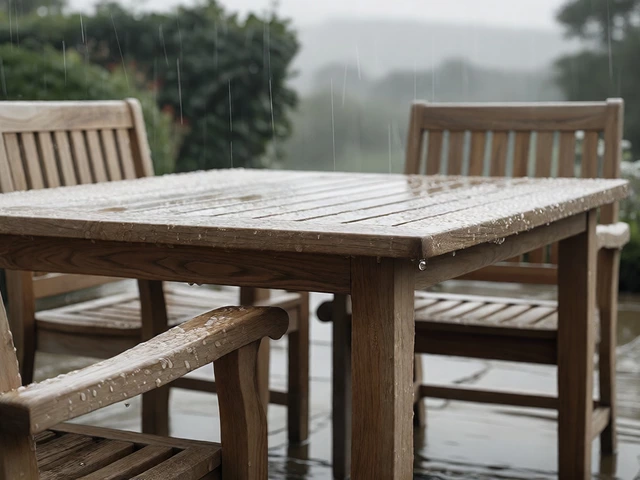
Teak and other hardwoods are the gold standard for outdoor tables and chairs. The natural oils in teak repel water and resist cracking, so a teak table can last 20‑30 years with minimal care. If teak feels pricey, look for eucalyptus or cedar. They aren’t as oil‑rich as teak, but a good sealant will protect them for many seasons.
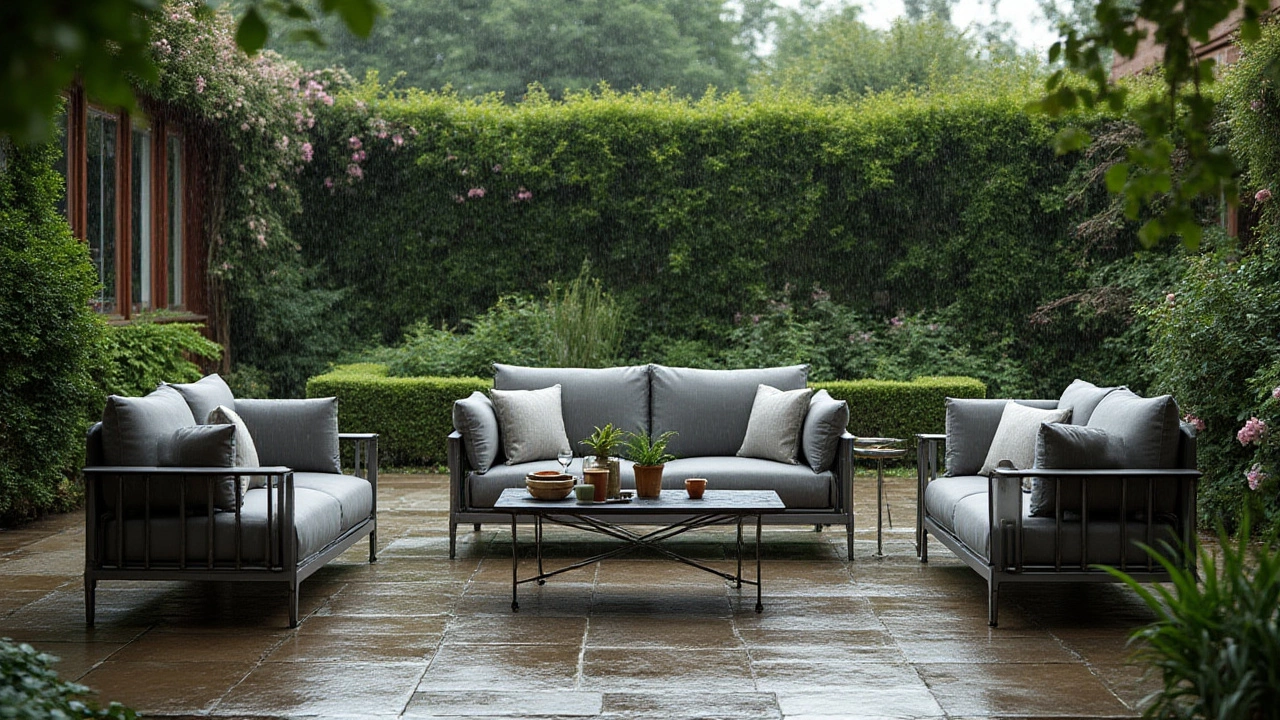
Aluminum frames are lightweight and won’t rust, making them perfect for balconies or small decks. Powder‑coated aluminum adds a layer of protection against UV fade. Steel is strong but needs a rust‑proof finish; otherwise, it can rust in humid climates.
Synthetic wicker and resin have become popular because they look like natural rattan but don’t soak up water. High‑density polyethylene (HDPE) and recycled plastic wicker handle rain and sun without splintering. Check that the weave is tightly woven—loose strands let water in and cause rot.
Fabric cushions should be made from solution‑dyed acrylic or polyester. These fabrics are labeled UV‑resistant and quick‑dry, meaning they won’t fade or mildew after a summer of sun and occasional rain. Look for cushions with removable covers so you can wash them easily.
Maintenance Tips to Extend Life
Even the toughest patio furniture needs a bit of love. Dust off the pieces with a soft brush or cloth after each use. For wood, a quick wipe with a mild soap solution and a rinse with clean water keeps grime from building up. Apply a teak oil or outdoor sealant once a year to keep the wood from drying out.
Metal frames benefit from a gentle scrub with a non‑abrasive cleaner. If you spot rust on steel, sand the area lightly and re‑apply a rust‑inhibiting primer followed by paint. Aluminum rarely needs more than a rinse, but a polish once a season helps keep its shine.
Plastic wicker can be hosed down with a garden sprayer. If moss or algae grow, a mix of water and white vinegar (1:1) sprayed on the affected spots does the trick. Rinse well afterward to avoid residue.
Cover your furniture when it’s not in use, especially during long rainy periods or winter. Breathable covers prevent moisture buildup, which can cause mold on fabrics and wood. If you have space, store cushions inside a garage or shed during harsh weather to prolong their color and shape.
Finally, check fasteners every few months. Tighten any loose screws or bolts, and replace worn‑out hardware. A little inspection now saves you from a wobbly chair later.
Choosing durable patio furniture isn’t rocket science—pick the right material, add a protective finish, and keep up with simple cleaning. Follow these steps and your outdoor set will stay comfortable and attractive for years to come.