DIY Furniture: Simple Projects to Transform Your Home
Ever looked at a bland room and thought, "I could fix this myself"? You’re not alone. DIY furniture lets you add personality, save money, and learn a handy skill. Below are practical ideas you can start this weekend, no fancy tools required.
Start Small: Easy Wins for Beginners
Kick off with a floating shelf. All you need are two wooden boards, brackets, screws, and a drill. Measure your wall, mark the studs, attach the brackets, and slide the boards on. In under an hour you’ve got extra storage and a sleek look.
Another low‑effort win is a pallet coffee table. Find a clean pallet, sand it smooth, add a coat of paint or varnish, and place a glass top for a polished finish. It’s cheap, sturdy, and instantly gives your living room a rustic vibe.
Mid‑Level Projects: Add Function and Style
If you’ve got a bit of confidence, try building a custom TV stand. Use 2x4 lumber for the frame, plywood for shelves, and a simple back panel. Cut to size, assemble with wood glue and screws, then stain or paint to match your décor. You’ll end up with a piece that fits your space perfectly and looks better than any generic flat‑pack.
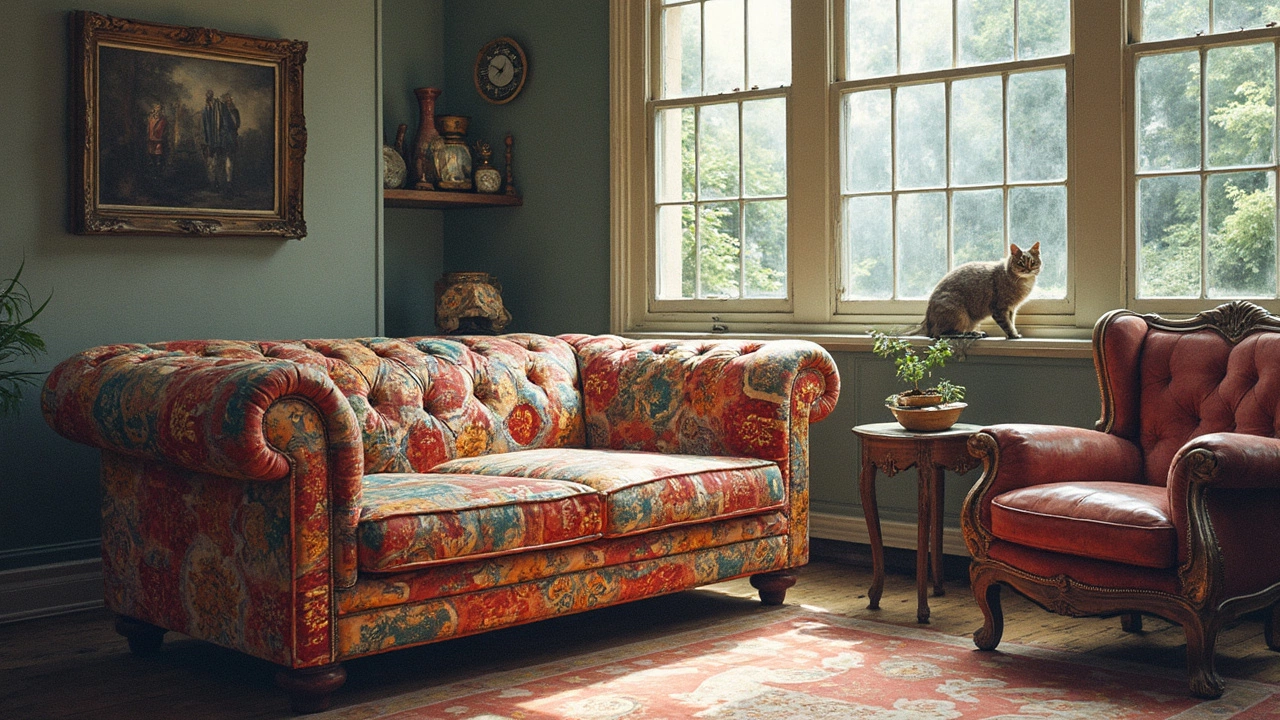
Need more seating? Reupholster an old chair. Remove the worn fabric, pad the seat with new foam, and wrap it in fresh upholstery. A staple gun and a few minutes of trimming are all it takes. The result feels brand new without the price tag of a fresh chair.
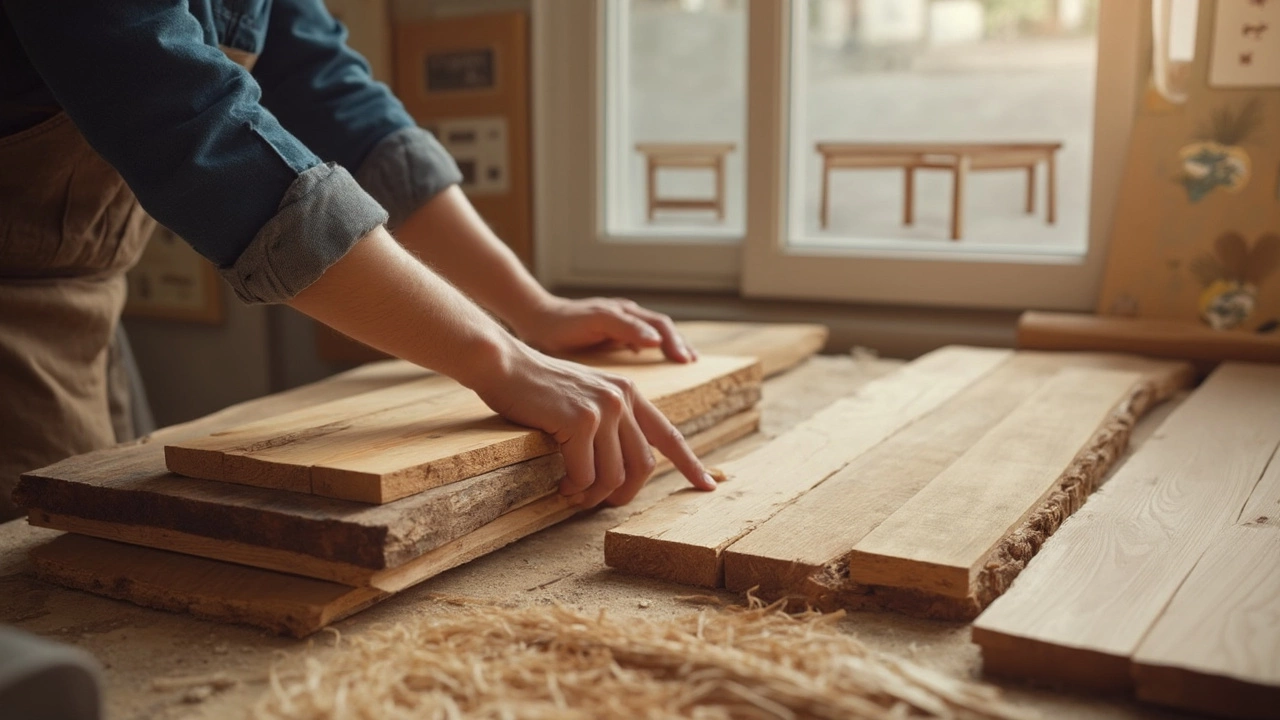
All these projects share a common thread: they use readily available materials and basic tools. A drill, a saw, sandpaper, and a paintbrush are enough to get started. Before you buy anything, hunt for reclaimed wood at local salvage yards or check online marketplaces for free pallets. Not only does this cut costs, it adds a story to each piece.
Safety first: always wear goggles when cutting, and secure workpieces with clamps. If a step feels beyond your skill level, pause and watch a short video tutorial – YouTube is full of clear, step‑by‑step guides.
Once you finish a project, give it a proper finish. A clear polyurethane coat protects wood from spills, while a matte chalk paint can hide minor scratches. Two coats, each sanded lightly between, give a professional look without the hassle.
DIY furniture isn’t just about saving cash; it’s about creating items that fit your life. Want a bookshelf that matches the height of your couch? Build it. Need a nightstand with a hidden charging drawer? Design it. The more you experiment, the better you’ll get at visualising and executing ideas.Ready to start? Pick a project from the list above, gather your materials, and set aside a Saturday afternoon. You’ll be surprised how rewarding it feels to stand back and admire something you built with your own hands.
Remember, every piece you create adds character to your home and reduces waste. DIY furniture is the perfect blend of creativity, practicality, and sustainability – and it’s easier than you think.