Cable Management Made Easy: Simple Tips for a Tidy Home and Office
Ever tripped over a charger or wondered why your living room looks like a spaghetti bowl? You’re not alone. Most of us have a handful of cords hidden behind furniture, under desks, or tangled in drawers. The good news? You can fix it without spending a lot of money or hiring a pro. A few minutes and some basic tools are all you need to turn chaos into order.
Why Good Cable Management Matters
First, tidy cords are safer. Loose wires can cause trips, falls, or even short‑circuits if they get pinched. Second, a clean setup looks professional – whether you’re video‑calling clients or watching a movie at home. Third, organized cables are easier to replace or upgrade. When every plug is labeled and visible, you’ll stop guessing which charger belongs to which device.
Practical Ways to Tame Your Cords
Start by gathering everything in one place. Pull out all the cords from behind your TV, desk, and sofa. Lay them on the floor and sort by device. This quick inventory helps you see duplicates, dead chargers, and extra length you can cut.
Use zip ties or Velcro straps to bundle similar cords together. Velcro is great because you can adjust it later if you add new devices. Keep bundles loose enough to avoid bending the wires, which can damage them over time.
Label each bundle with a small piece of masking tape and a marker. Write the device name – “Laptop”, “Router”, “Lamp” – on the tape. When you need to unplug something, you’ll know exactly which one to pull.
For cords that run along walls or under desks, use cable clips or adhesive cable organizers. Stick them every 12‑18 inches to hold the cable flat against the surface. This prevents sagging and makes cleaning easier.
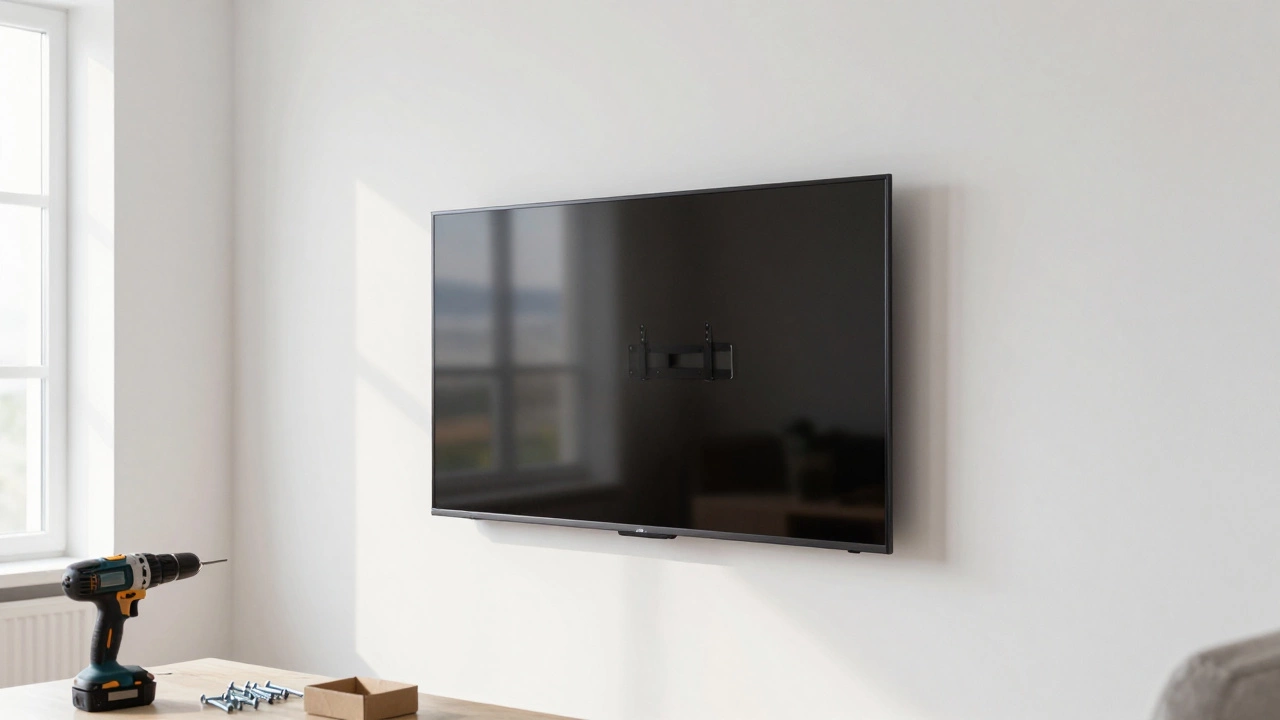
If you have a TV stand or media console, drill a small hole at the back to run power and HDMI cables through. This hides the mess and keeps the floor clear. Just make sure the hole is smooth so the cords don’t snag.
Don’t forget power strips. Place a strip on the underside of a desk or inside a cabinet, then feed all cords into it. It creates a single clean point for plugging in everything and reduces the number of visible plugs.
Lastly, regularly review your setup. Every few months, check for cords that no longer have a device attached. Recycle or donate old chargers – they take up space for no reason.
By following these steps, you’ll go from a tangled mess to a neat, safe, and look‑good cable system. Your feet will thank you, your devices will last longer, and you’ll finally have a clean surface to showcase your favorite décor.