Bubble Wrap: The Unsung Hero of Furniture Protection
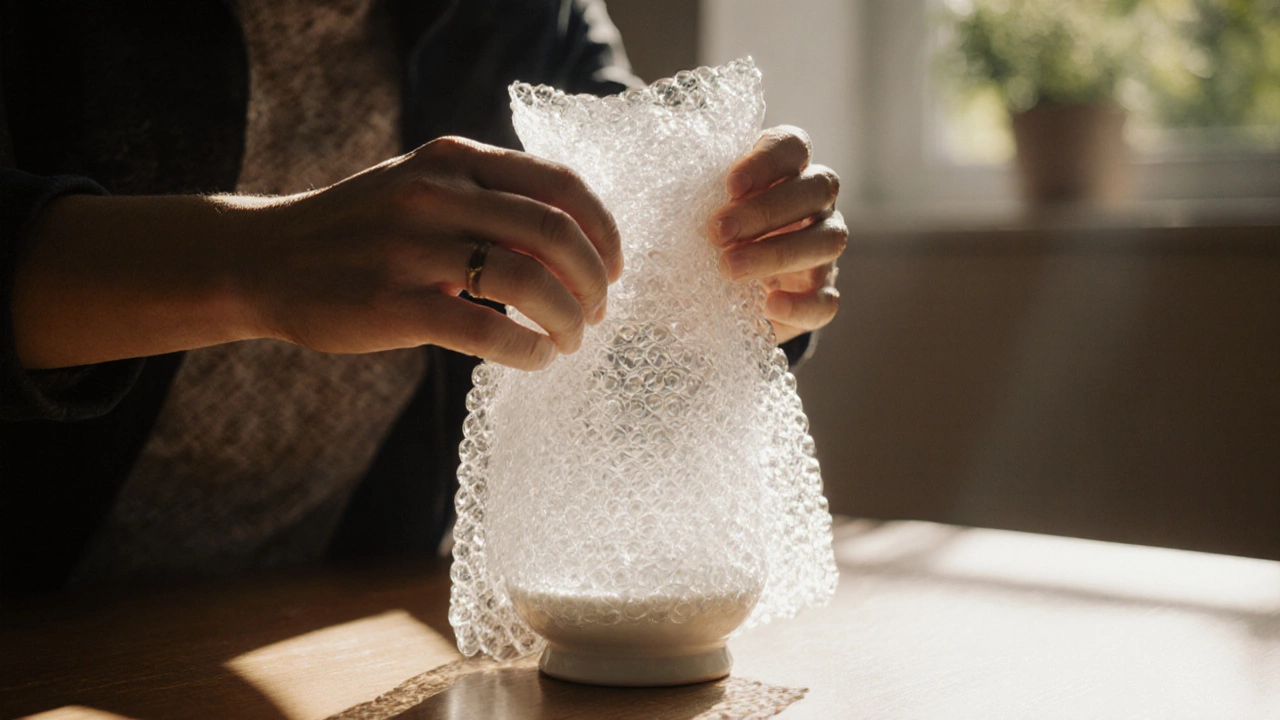
When working with Bubble Wrap, a lightweight, air‑filled cushioning material used to protect fragile items during transport. Also known as air bubble packaging, it shields surfaces from dents, scratches, and moisture. Bubble Wrap isn’t just for delicate china; it’s a staple for anyone handling custom furniture, flat‑pack pieces, or even artwork. The core idea is simple: tiny sealed air pockets create a flexible barrier that absorbs shocks. That means a dropped crate, a jostling truck, or a cramped storage unit is less likely to leave a permanent mark on a handcrafted table or a polished sofa. The protective power of bubble wrap fits neatly into the larger world of Packaging Material, products like cardboard, packing tape, and foam that secure items for shipping and moving. In a typical move, these materials work together: sturdy boxes provide the outer shell, tape holds everything closed, and bubble wrap cushions the interior. When you pair bubble wrap with proper Furniture Moving, the process of transporting furniture from one location to another, whether within a home or across the country. you create a safety net that reduces the risk of costly repairs. Think of bubble wrap as the first line of defense; the box is the moat, and the tape is the drawbridge. Together they form a system where bubble wrap encompasses cushioning material, packaging material requires secure sealing, and furniture moving influences the choice of protective layers. This synergy is why professional movers pack high‑value pieces with multiple layers of bubble wrap, especially when dealing with custom‑made furniture that can’t be easily replaced.
Why Bubble Wrap Matters in Home Furnishings
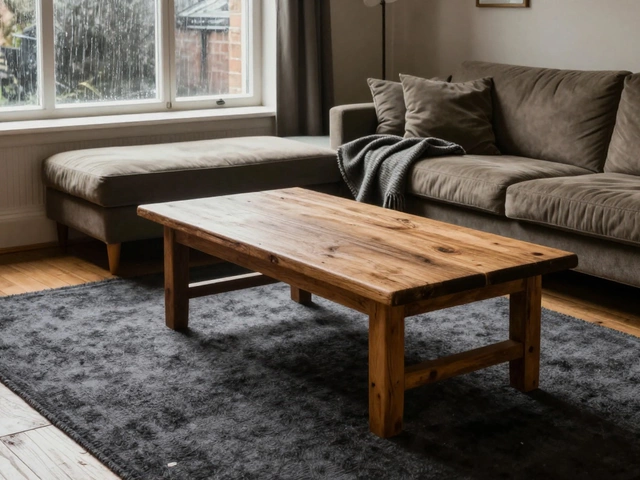
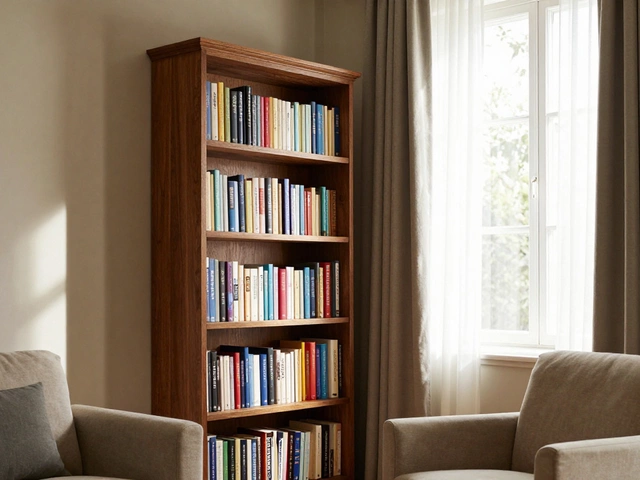
Beyond moving, bubble wrap plays a role in everyday home care. When you receive a new bespoke chair from a craftsman, a quick wrap before storing it in a garage can prevent moisture‑induced warping. If you’re redesigning a room and need to protect a hardwood floor while repositioning a large cabinet, a sheet of bubble wrap under the legs reduces friction and guards against scratches. Even in interior design projects, bubble wrap helps preserve delicate finishes during staging, photo shoots, or when moving items between showrooms. Practical tips are easy to follow: measure the item, cut a piece of bubble wrap that overlaps by at least two inches on all sides, and secure it with a light strip of packing tape. For heavier furniture, double‑layer the wrap to increase impact absorption. Avoid over‑packing—too much bulk can make handling awkward and may actually shift the item inside a box. Lastly, recycle used bubble wrap whenever possible; many UK recycling centers accept clean, uncoated versions, keeping the material in the circular economy. All this information sets the stage for the collection below. Whether you’re a DIY enthusiast, a professional mover, or just someone who loves a well‑protected sofa, the articles that follow dive deeper into nicknames for recliners, the 3‑5‑7 decorating rule for bookcases, and many other tips that intertwine with the smart use of bubble wrap. Explore the insights, apply the safeguards, and keep your furniture looking flawless for years to come.