Bookshelf Placement & Size Calculator
Room Details
Analysis Results
Please enter your room details to see recommendations.
You’ve just bought a beautiful bookshelf a piece of furniture designed for storing books and decorative items. It looks great in the store. But once it’s in your home, where does it actually go? Slapping it against any available wall might seem like the easiest solution, but poor placement can ruin the flow of your room, damage your books, or make the space feel cluttered.
Placing a bookcase is not just about finding empty wall space. It involves understanding light, traffic patterns, structural integrity, and visual balance. Get it right, and your bookshelf becomes the anchor of your room. Get it wrong, and it’s just an obstacle. Let’s figure out exactly where that shelf belongs.
The Golden Rule: Light and Air
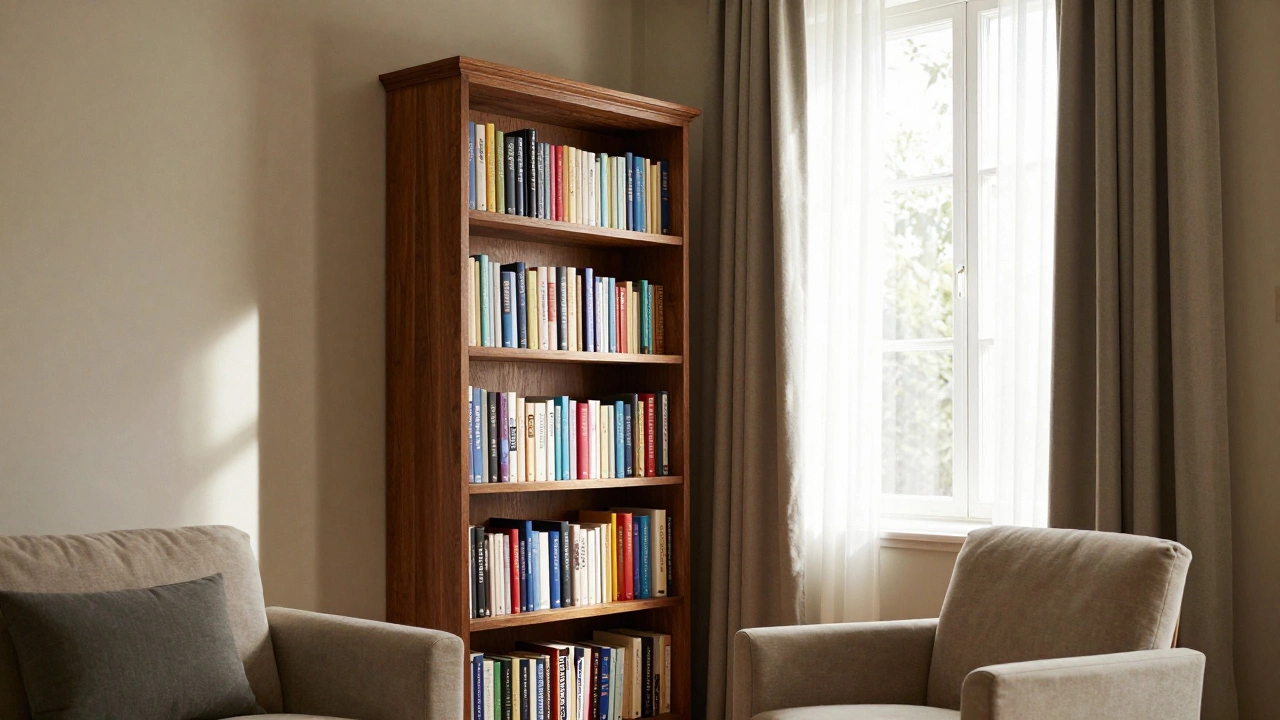
Before you worry about aesthetics, you need to protect your investment. Books are sensitive to their environment. If you place your bookcase storage unit for organizing reading materials in the wrong spot, you risk warping pages, fading covers, and attracting pests.
- Avoid direct sunlight: UV rays are the enemy of paper. They fade ink and yellow pages over time. If you have a sunny window, do not place your bookshelf directly in front of it unless you use blackout curtains.
- Steer clear of heat sources: Radiators, fireplaces, and heating vents dry out the air and warp wood. Keep at least three feet of distance between your shelves and any heat source.
- Watch the humidity: Bathrooms and kitchens are high-humidity zones. Moisture leads to mold and mildew on bindings. Stick to dry areas like living rooms, bedrooms, or dedicated offices.
If you’re building a home library a dedicated space for housing a large collection of books, consider installing climate control. For most households, simply avoiding windows and radiators is enough to keep your collection safe for decades.
Anchor Your Living Room Layout
In a living room, the bookshelf often serves as more than storage; it defines the space. Think of it as an architectural element rather than just a container.
The TV Wall Strategy: Many people place their bookshelves flanking the television. This works well if you want a built-in look. However, be careful with height. If the shelves are taller than the TV, they can overwhelm the screen. Aim for symmetry. Two identical units on either side create a balanced focal point that draws the eye without distracting from the content on the screen.
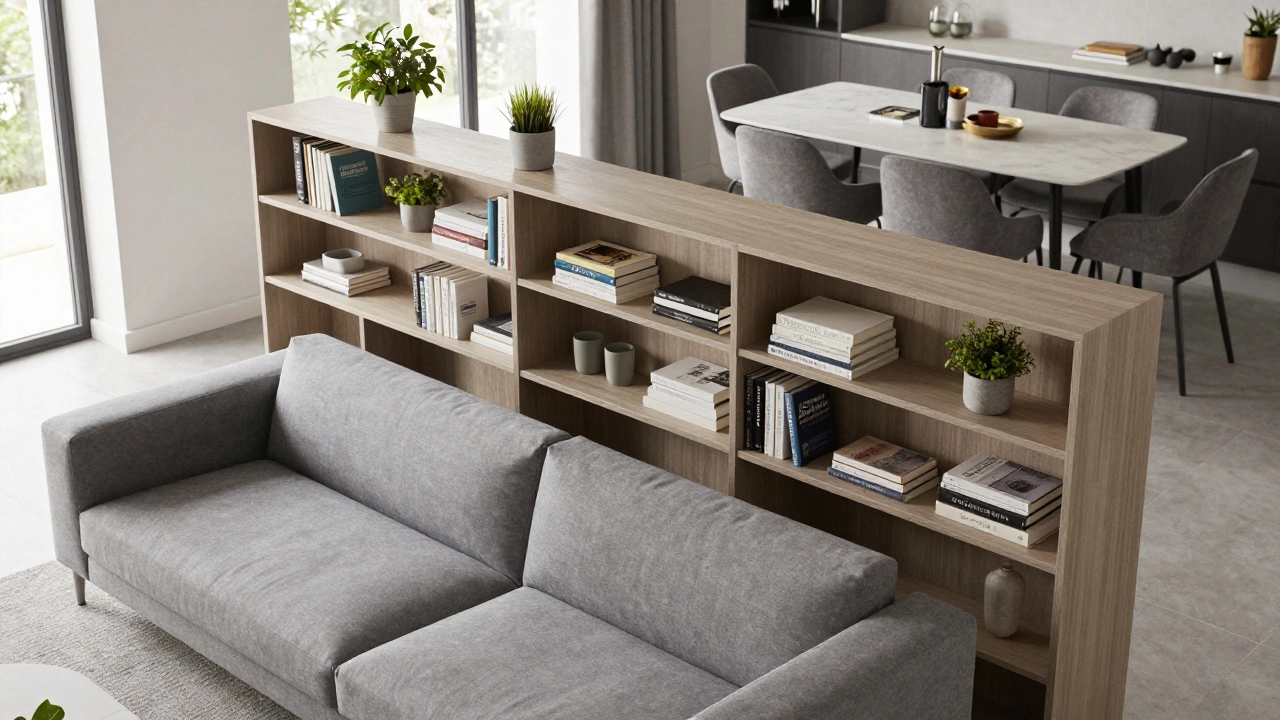
The Sofa Backdrop: Placing a low bookshelf behind a sofa creates a natural divider between the living area and adjacent spaces like a dining room or hallway. This is perfect for open-plan homes. Just ensure the shelf isn’t too deep-12 to 14 inches is usually sufficient. You don’t want people bumping into protruding books while sitting down.
The Corner Nook: If you lack wall space, corners are your best friend. A corner bookshelf utilizes dead space effectively. It doesn’t obstruct foot traffic and adds vertical interest to a room that might otherwise feel flat. Pair this with a comfortable armchair and a floor lamp, and you’ve created an instant reading nook.
Bedroom Placement: Calm and Accessible
Bedrooms require a different approach. Here, the goal is relaxation and accessibility. You likely want your books within reach before sleep, but you don’t want the room to feel chaotic.
Average bedroom sizes vary, but typically, a standard double bedroom measures around 10x10 feet. In such spaces, a massive floor-to-ceiling unit can feel oppressive. Instead, opt for a narrower, taller unit placed next to the bed or at the foot of the bed.
- Beside the Bed: Replace the traditional nightstand with a small two-shelf unit. It holds your current read, glasses, and a phone charger. Keep it under 24 inches wide so it doesn’t block movement.
- Foot of the Bed: A wider, lower bookshelf here acts as a bench alternative. It displays favorite titles horizontally (spine out) for a curated look. This keeps the center of the room open for walking.
Avoid placing tall bookshelves directly opposite the bed if they are cluttered. Visual chaos can disrupt sleep hygiene. Keep the display tidy and intentional.
Home Office: Function Over Form
In a workspace, efficiency rules. Your office bookshelf storage solution for professional and reference materials should support your workflow, not hinder it.
Behind the Desk: This is the classic setup. It keeps reference materials visible but out of immediate reach, reducing distraction. Ensure the shelves are at eye level when seated so you can scan spines without straining your neck.
To the Side: If you work with heavy textbooks or binders frequently, place the shelf to your dominant hand’s side. This minimizes twisting and reaching. Make sure the bottom shelves are sturdy enough to hold heavier items, while lighter decor goes higher up.
Lighting matters here too. Position the shelf so that overhead lights illuminate the spine labels clearly. Shadowy shelves lead to forgotten books and wasted time searching.
Safety First: Anchoring and Stability
This is non-negotiable. Especially if you have children, pets, or live in an earthquake-prone area, every free-standing bookshelf must be anchored to the wall.
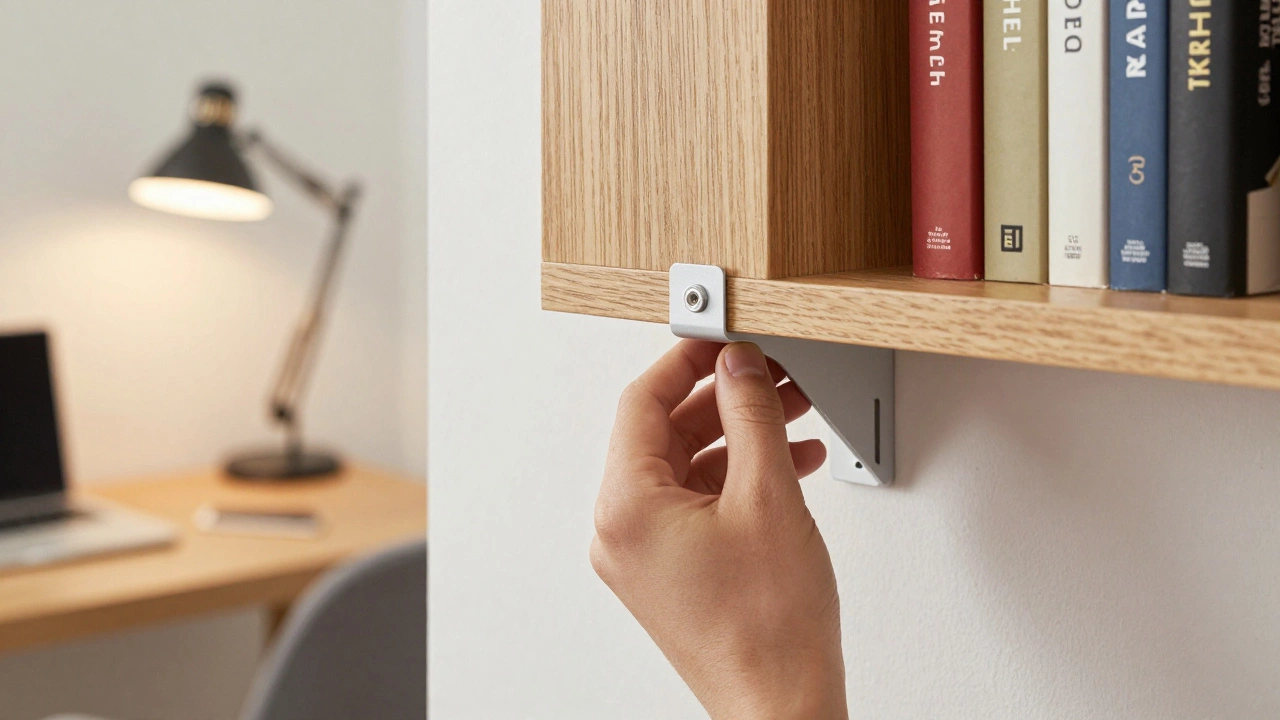
Tall, narrow bookcases are top-heavy. Without proper securing, they can tip forward if someone climbs on them or pulls items from the upper shelves. Use anti-tip brackets hardware devices used to secure furniture to walls provided by the manufacturer. If none were included, buy universal ones from a hardware store.
Check your wall type before drilling. Drywall requires anchors that grip the studs. Concrete or brick walls allow for direct screwing. Never rely on the weight of the books alone to stabilize the unit. Gravity is unpredictable.
Visual Balance and Proportion
Once safety and function are sorted, focus on how the bookshelf makes the room feel. Poor proportions can make a spacious room look cramped or a small room look awkwardly empty.
| Room Type | Ideal Shelf Height | Ideal Shelf Width | Placement Tip |
|---|---|---|---|
| Small Bedroom | Up to 60 inches | Under 30 inches | Vertical emphasis to draw eye up |
| Standard Living Room | 72-84 inches | 48-72 inches | Balance with sofa length |
| Open Plan Area | Any height | Wide (as divider) | Use depth to define zones |
| Office | Eye level + | Depth dependent | Prioritize access over height |
Don’t push everything against the walls. Floating some furniture slightly away from the perimeter can create a sense of flow. Leave at least 30 inches of walking space around the bookshelf. This allows you to pull out books comfortably without hitting doorways or other furniture.
Styling Your Shelves for Impact
Where you place the bookshelf is half the battle. How you fill it completes the picture. A poorly styled shelf looks messy regardless of its location.
- The Rule of Thirds: Divide your shelf visually into three sections. Place larger items in one third, medium items in another, and leave some negative space. Avoid filling every inch.
- Mix Vertical and Horizontal: Stack some books horizontally to create platforms for small plants or frames. Break up the monotony of vertical spines.
- Color Blocking: Arrange books by color for a modern, gallery-like feel. Or mix colors randomly for a cozy, lived-in vibe. Consistency in style matters more than strict organization.
- Layer Textures: Combine wood, metal, glass, and fabric baskets. This adds depth and prevents the shelf from looking flat.
Remember, the goal is to invite interaction. If your books are hidden behind closed doors or buried under clutter, you won’t read them. Display your favorites prominently.
Can I put a bookshelf in front of a window?
It is generally not recommended. Direct sunlight damages books by fading covers and yellowing pages. Additionally, placing a large object in front of a window blocks natural light, making the room feel darker and smaller. If you must, use sheer curtains to diffuse the light and choose a shallow shelf to minimize obstruction.
How far should a bookshelf be from a radiator?
Keep at least three feet of distance between your bookshelf and any heat source like a radiator or fireplace. Heat dries out the air, causing wood to crack and paper to become brittle. It also accelerates the aging process of book bindings.
Is it better to have a tall or wide bookshelf?
It depends on your ceiling height and room layout. Tall, narrow shelves work well in small rooms with high ceilings as they draw the eye upward. Wide, lower shelves are better for open-plan spaces where you need to divide areas without blocking sightlines. Measure your space first.
Do I need to anchor my bookshelf to the wall?
Yes, absolutely. All free-standing bookshelves, especially those over 36 inches tall, should be anchored to the wall using anti-tip brackets. This prevents tipping hazards for children, pets, or during minor earthquakes. It is a critical safety measure.
What is the best way to organize books on a shelf?
There is no single "best" way, but popular methods include alphabetical by author, by genre, or by color. For ease of access, keep frequently read books at eye level. Store heavier reference books on lower shelves to maintain stability and prevent back strain.