Best Outdoor Materials: What to Pick for Longevity and Style
When you plan a patio, deck, or garden furniture set, the material you choose can make or break the project. The right stuff will stay strong after rain, sun, or frost, while cheap choices can warp, rust, or fade fast. Below is a straight‑forward rundown of the most reliable outdoor materials, plus tips on matching them to your climate, budget, and look.
Wood Options – Natural Beauty, Real Care
Hardwoods like teak, cedar, and ipe are popular because they age nicely and can handle moisture. Teak has natural oils that resist rot, but it needs an occasional wipe‑down with oil to keep the colour. Cedar is lighter on the wallet and naturally deters insects, though it can turn grey if left untreated. Ipe is super dense and almost indestructible, but it’s heavy and pricey. If you love the look of wood, pick a species that fits your climate and set a simple maintenance schedule – a yearly seal or oil will keep it looking fresh.
Metal & Synthetic Choices – Low‑Maintenance Winners
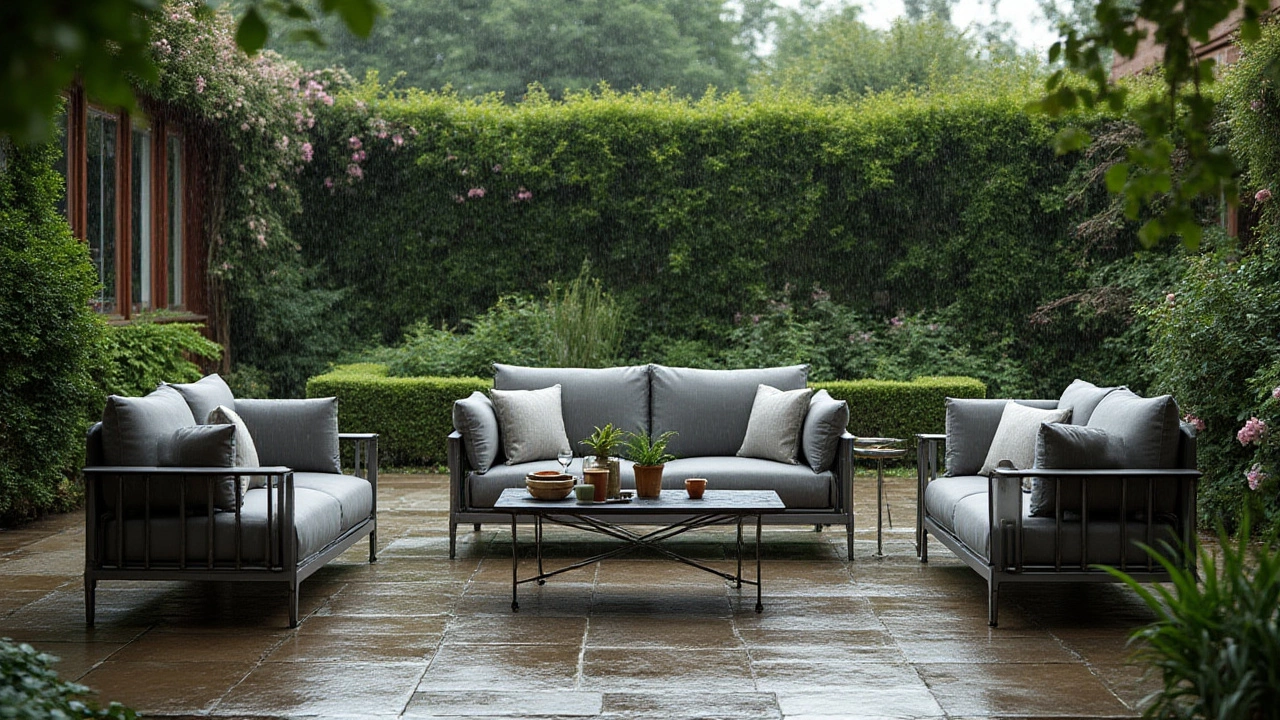
Aluminum frames are lightweight, rust‑proof, and cheap enough for big projects. They work great for chairs, tables, and even pergola frames. Wrought iron offers classic heft and elegance, but it needs a protective coating to stop rust in damp areas. For a modern vibe, consider powder‑coated steel – the finish is tough and comes in many colours.
When you want a warm look without the upkeep of real wood, look at synthetic rattan or resin wicker. These plastics mimic the texture of natural rattan, resist water, and stay bright for years. A good quality resin piece will not splinter or warp, making it ideal for sunny decks.
Stone and concrete are the heavyweight champs for countertops, fire pits, and flooring. Granite and slate survive freeze‑thaw cycles without cracking, while poured‑in‑place concrete can be stamped, stained, or textured to match any design. Both require a sealant if you want to stop stains, but otherwise they need almost no extra care.
How to Pick the Right Material for Your Project
Start with your climate: coastal areas need rust‑proof metal and rot‑resistant wood; colder regions benefit from dense hardwoods or stone that won’t expand and contract wildly. Next, think about usage – high‑traffic decks need tough surfaces like composite decking or concrete, while a decorative garden bench can get away with softer woods.
Budget matters, too. If you’re watching costs, aluminum furniture and basic resin wicker give a sleek look for less than half the price of teak. If you can splurge, ipe decking or a custom stone patio adds long‑term value and curb appeal.
Finally, consider maintenance comfort. Do you want a piece you can wipe clean once a year, or are you happy to oil a teak table every spring? Choose the material that matches the time you’re willing to invest.
Bottom line: the best outdoor material is the one that fits your weather, your style, and your willingness to care for it. Mix and match – a teak dining set on an aluminum deck, for example – can give you the look you love without compromising durability. Pick wisely, and your outdoor space will stay inviting for years to come.