65 inch TV on 55 inch stand: Can It Be Done Safely?
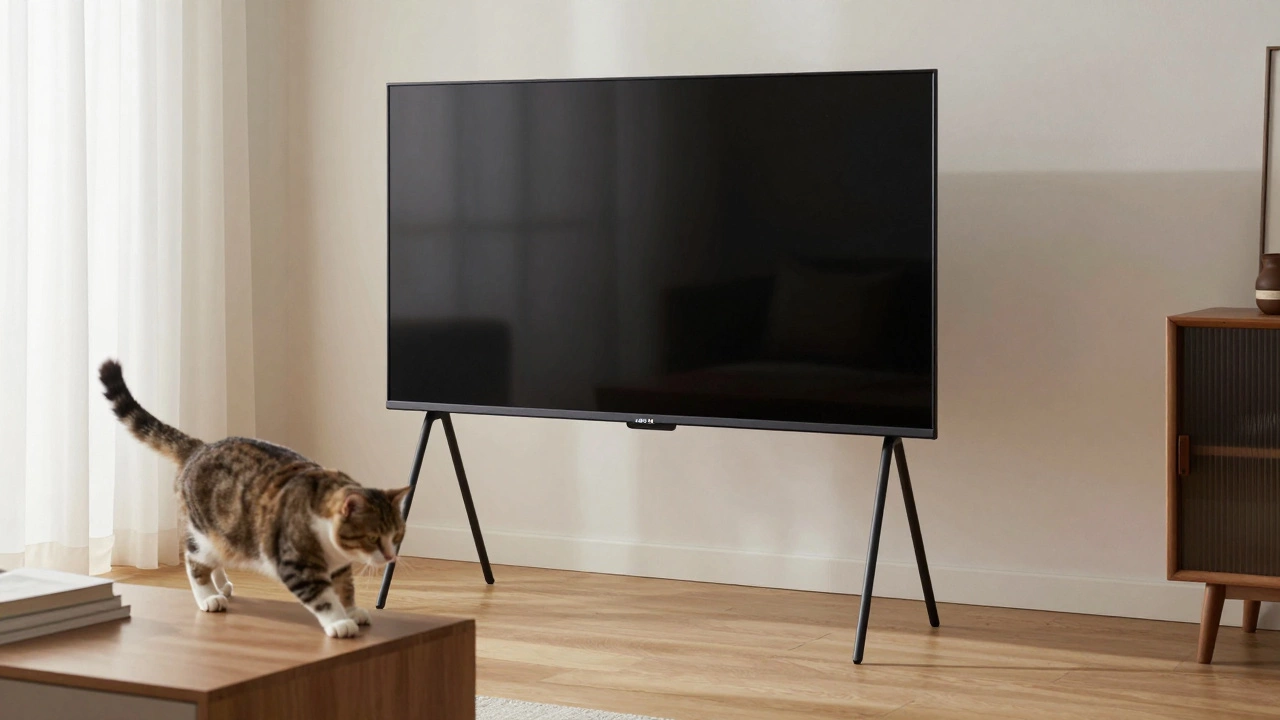
When you buy a 65 inch TV, a television screen measured diagonally across the viewing area, typically offering 4K resolution and immersive viewing, you expect it to look great—and stay put. But what if your stand is only 55 inches wide? That’s a 10-inch gap. It’s not just about looks—it’s about physics, weight distribution, and safety. A TV stand, a piece of furniture designed to hold a television, often with storage and cable management isn’t just a shelf. It’s a support system. If the TV overhangs too far on either side, it becomes a tipping hazard, especially in homes with kids, pets, or even just a clumsy guest.
The TV placement, the positioning of a television relative to furniture, seating, and walls to optimize viewing and safety rules aren’t suggestions—they’re built on real-world accidents. A 65-inch TV usually has a base width between 56 and 60 inches. That means even a "55-inch stand" might technically fit, but barely. And if the stand’s depth isn’t deep enough, the TV will stick out too far, making it easy to knock. You also need to check the stand’s weight rating. A 65-inch TV can weigh 50 pounds or more. A flimsy stand made of particleboard won’t cut it. And don’t rely on the stand’s label alone—many manufacturers round up. Look for independent reviews or test it yourself: if you can wiggle the TV side to side, it’s not stable.
Some people try to make it work with adhesive pads or wall anchors, but those are bandaids, not solutions. The real fix? Either get a bigger stand, or go wall-mounted. A TV mounting, the process of securing a television to a wall using a bracket to save space and improve viewing angle eliminates the stand entirely. It gives you perfect alignment, no overhang, and a cleaner look. Plus, you can adjust the height for eye level—something most stands can’t do. If you’re stuck with the stand, measure the TV’s base, compare it to the stand’s width, and check the manufacturer’s specs. If it’s even an inch too wide, don’t risk it. Your back, your screen, and your peace of mind aren’t worth the gamble.
Below, you’ll find real cases from people who’ve tried this setup—and what went wrong (or right). We’ve got guides on TV size compatibility, stand weight limits, and how to pick the right furniture for your screen. No fluff. Just what you need to know before you plug in.