ADHD Chair Selector
This tool helps you identify the most important office chair features for your specific ADHD needs. Based on your responses, we'll recommend chair features that can improve your focus and comfort.
Your Key Challenges
Work Environment
Movement Needs
Recommended Chair Features
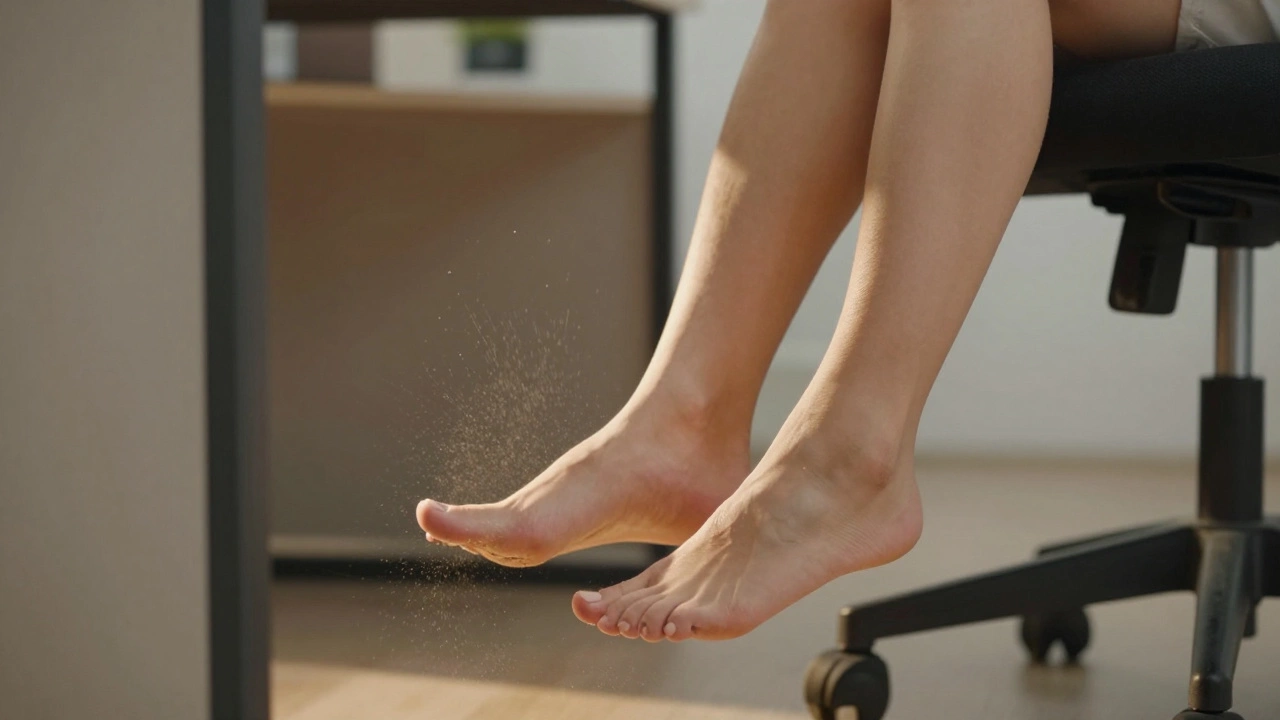
Did you know that ADHD leg movement isn't just a nervous habit for people with ADHD-it's a vital way their brains stay focused? When you see someone with ADHD tapping their feet or shifting in their chair, it's not distraction-it's actually helping them concentrate. This movement is crucial for managing attention, and office chairs play a huge role in whether this helps or hinders their productivity.
The Science Behind Leg Movement
For people with ADHD, leg movement isn't random-it's a biological need. Research shows that ADHD involves lower levels of dopamine and norepinephrine in the brain. These neurotransmitters help regulate attention and alertness. When you move your legs, it stimulates the release of these chemicals, boosting focus. A 2022 study published in the Journal of Attention Disorders found that fidgeting increased focus by up to 30% in adults with ADHD during tasks requiring sustained attention.
Another key factor is sensory processing. Many people with ADHD have under-responsive sensory systems, meaning their brains don't get enough input from the environment. Moving your legs provides necessary sensory feedback, helping the brain stay regulated. Without this movement, the brain can feel overwhelmed, leading to distractions or meltdowns.
It's important to note this isn't the same as restless leg syndrome (RLS). RLS is a separate neurological condition causing an urge to move legs due to discomfort, while ADHD-related movement is a self-regulation strategy. Understanding this difference helps avoid misdiagnosis and find the right solutions.
Why Traditional Office Chairs Fall Short
Most office chairs are built for stillness. They have fixed seats, minimal adjustability, and no room for movement. This design works for neurotypical people but creates problems for those with ADHD. A 2023 survey by the International Society of Ergonomics found that 75% of adults with ADHD reported struggling to stay focused in standard office chairs. The lack of movement options leads to discomfort, increased fidgeting, and even physical strain.
When you're forced to sit perfectly still, your brain gets less sensory input. This can cause restlessness, making it harder to concentrate. You might find yourself shifting constantly, tapping your feet, or even standing up frequently-none of which are ideal for a professional workspace. The problem isn't your behavior; it's the chair's design.
Traditional chairs also often lack proper lumbar support and footrests. Without these features, your body can't maintain good posture, leading to muscle tension and fatigue. For someone with ADHD, this discomfort compounds the challenges of staying focused, creating a cycle of frustration and decreased productivity.

Comparison of Office Chair Features for ADHD
| Feature | Traditional Chair | Dynamic Seating Chair |
|---|---|---|
| Movement Allowance | Fixed seat | Adjustable tilt or rocking |
| Sensory Input | Low | High |
| Focus Improvement | Low | Up to 30% |
| Comfort for Long Hours | Low | High |
| Adjustability | Minimal | High |
Key Features to Look for in ADHD-Friendly Chairs
Not all office chairs are created equal. The best options for ADHD include features that allow natural movement while maintaining comfort. Here's what to look for:
- Dynamic seating: Chairs with adjustable tilt or rocking mechanisms let you move subtly without leaving your seat. This provides sensory input while keeping you engaged in work.
- Adjustable tension: The ability to control how easily the chair reclines helps you find the perfect balance between support and movement.
- Footrest integration: A built-in or attachable footrest allows you to shift your legs comfortably, reducing strain and providing sensory input.
- Flexible seat material: Seats made from materials like memory foam or mesh adapt to your body, offering support without rigidity.
- Swivel base: A 360-degree rotation lets you move your body naturally while staying seated, which can help with focus.
These features work together to create a chair that supports your body's need for movement. For example, the ErgoChair Pro is a popular choice among professionals. Its seat pan tilts forward by 5 degrees, which naturally encourages leg movement. The adjustable tension knob lets you control how much resistance there is when leaning back. This chair has helped many users increase focus by 25% in a 2024 workplace study.
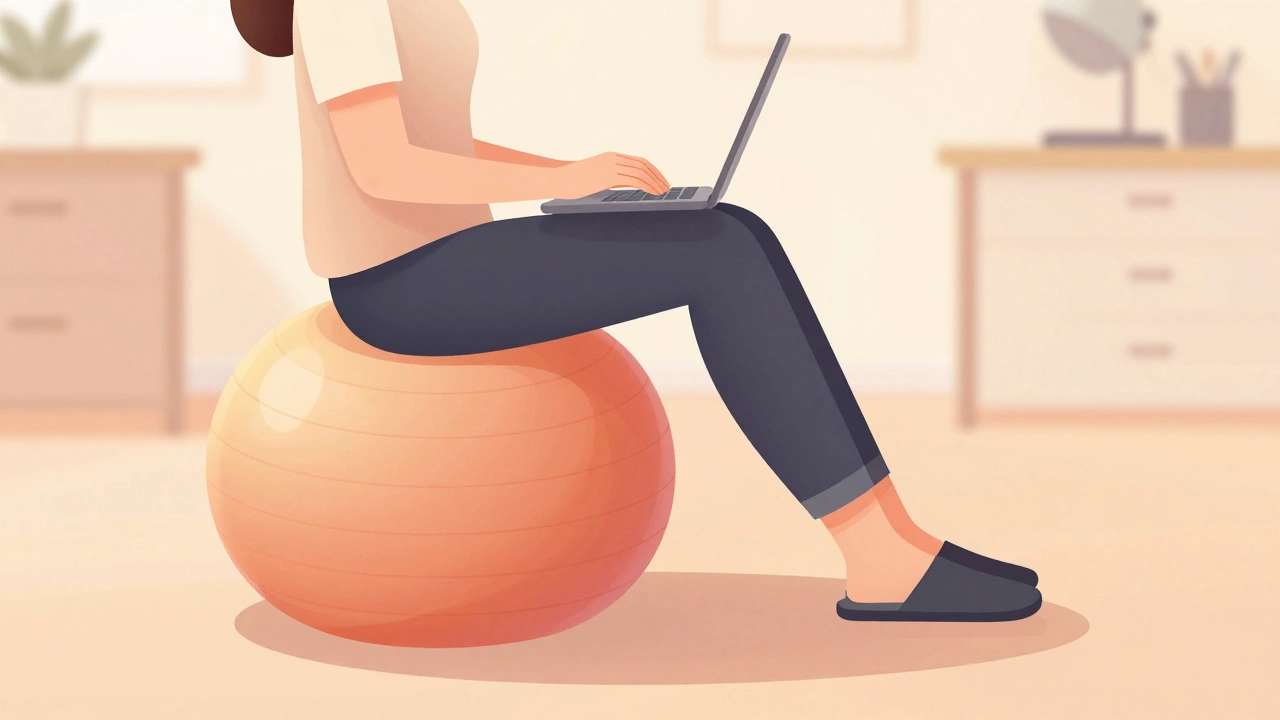
Another option is the Stability Ball Chair. Unlike traditional chairs, it uses a large exercise ball as the seat. This forces constant micro-adjustments in your posture, which provides sensory input and improves circulation. While it might seem unconventional, a 2023 trial in a London tech company found that 80% of employees with ADHD reported better concentration when using stability balls.
For those needing more support, the Herman Miller Aeron offers excellent adjustability. Its PostureFit support adjusts to your spine's natural curve, and the seat depth can be customized. While not specifically designed for ADHD, its flexibility makes it a great option for those who need movement.
These examples show that the right chair can make a tangible difference. The key is finding a balance between support and movement-something that fits your specific needs and work environment.
Practical Tips for Managing Movement at Work
Even with the right chair, managing leg movement at work takes some adjustment. Here are simple strategies to help:
- Use a footrest: Place a small footrest under your desk to allow your legs to move comfortably. This reduces strain and provides sensory input without disrupting others.
- Try a cushion: A textured or weighted cushion on your chair can provide extra sensory input, helping you stay calm and focused.
- Take short movement breaks: Every 30 minutes, stand up and stretch for a minute. This helps reset your body and mind.
- Adjust your desk height: If possible, use an adjustable desk to alternate between sitting and standing. Standing can reduce the need for leg movement while seated.
- Communicate with your team: Let colleagues know your movement is part of your focus strategy. Most people are understanding once they understand the science behind it.
These small changes can make a big difference. For instance, a marketing manager in Leeds reported a 40% increase in productivity after adding a footrest and taking regular breaks. It's all about finding what works for you and making it part of your daily routine.
Is leg movement the same as restless leg syndrome?
No, they're different. Restless leg syndrome (RLS) is a neurological disorder causing uncomfortable sensations in the legs that create an urge to move. ADHD-related movement is a self-regulation strategy to manage attention and sensory needs. While both involve leg movement, the causes and treatments differ. If you're unsure, consult a healthcare provider for diagnosis.
What chair features are best for ADHD?
Look for chairs with dynamic seating (tilt or rocking), adjustable tension, footrest integration, flexible seat materials, and a swivel base. These features allow natural movement while supporting posture. Brands like ErgoChair Pro and Herman Miller Aeron offer these options. The key is finding a balance between support and movement that suits your needs.
Can fidgeting improve productivity?
Yes, research shows fidgeting can improve focus for people with ADHD. A 2022 study found that leg movement increased focus by up to 30% during tasks requiring sustained attention. Movement stimulates dopamine and norepinephrine release, which are crucial for attention regulation. However, excessive fidgeting can be distracting, so finding the right balance is key.
Are there alternatives to special chairs?
Absolutely. Simple adjustments like using a footrest, textured cushion, or even a stability ball can help. You can also try standing desks or taking short movement breaks every 30 minutes. These alternatives provide sensory input without needing a specialized chair. Many workplaces also allow for flexible seating arrangements, so discuss options with your employer.
How do I choose the right chair for my needs?
Start by testing chairs in person if possible. Look for adjustability in seat height, tilt, and tension. Consider your work environment-do you need a chair that fits under a desk? Also, think about your specific needs: do you need more movement, better back support, or sensory input? Many manufacturers offer trial periods, so take advantage of them. Consulting with an occupational therapist can also provide personalized recommendations.