Sofa & Wall Contrast Simulator
Select a wall color and a sofa color below to see how they interact. Use this tool to find the perfect balance between depth, light reflection, and visual harmony.
Design Analysis
Select colors above to generate advice.
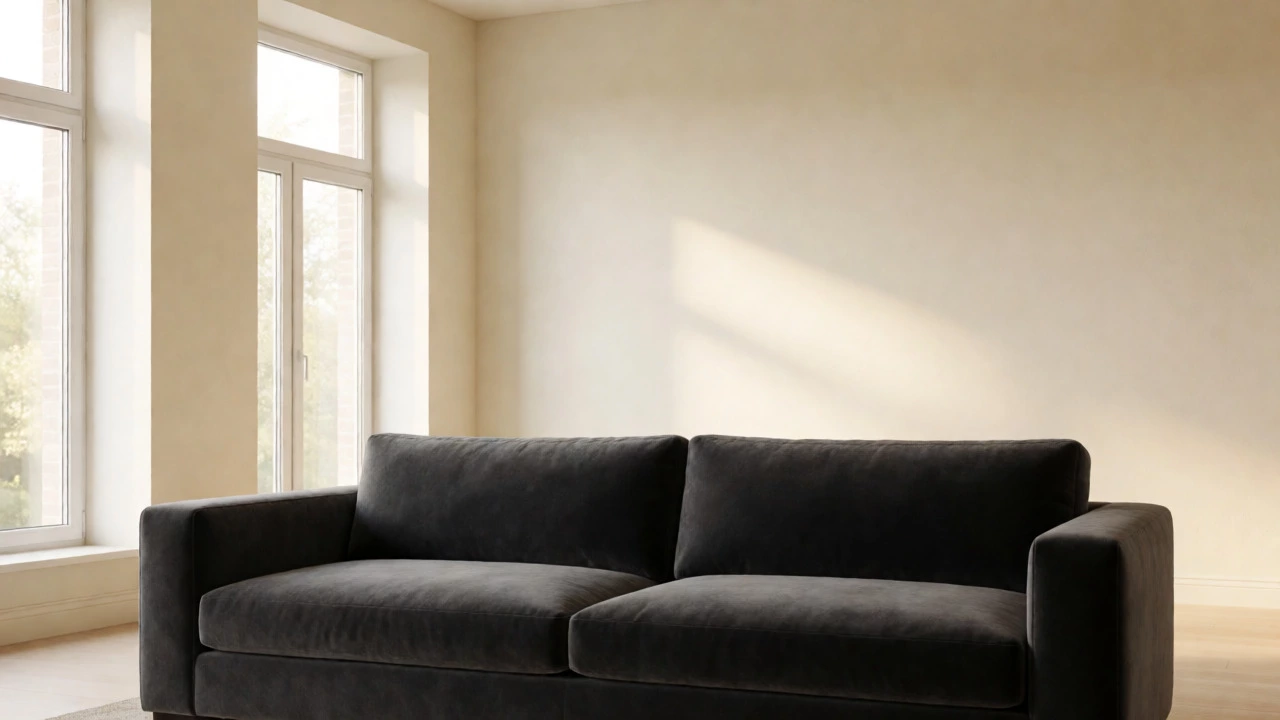
You walk into a furniture showroom, eyes wide, staring at a gorgeous charcoal grey sofa that looks like it belongs in a luxury hotel lobby. You picture it in your living room. But then doubt creeps in. Your walls are currently painted a soft cream. Will the dark sofa swallow the light? Or will it look too heavy against the pale backdrop? This is one of the most common paralysis points for homeowners trying to refresh their space. The truth is, there isn't a single "right" answer, but there are rules of thumb that prevent your living room from looking flat or chaotic.
The Core Principle: Contrast Creates Depth
Interior design relies heavily on visual hierarchy. If your sofa and your walls are exactly the same shade, the room tends to feel two-dimensional. It lacks depth. Think of it like writing text on paper. Black text on white paper is easy to read because of high contrast. White text on beige paper is hard to see. Your eye needs separation between objects to understand the shape of the room. Therefore, the primary goal when choosing a sofa color relative to your walls is to create intentional contrast, whether that means going lighter or darker.
However, contrast doesn't always mean black-and-white extremes. It’s about tonal difference. A light grey sofa against a medium-grey wall works beautifully if the textures differ. But a mid-tone blue sofa against a mid-tone blue wall? That usually fails unless you have strong accent pieces breaking up the monotony. So, before you buy, ask yourself: do I want my sofa to be the focal point, or do I want it to blend into a cozy, monochromatic cocoon?
When to Choose a Darker Sofa
A darker sofa against lighter walls is the classic choice for grounding a room. If you have large windows flooding the space with natural light, a dark piece of furniture anchors the view. It prevents the room from feeling airy to the point of being sterile. In Leeds, where we often deal with overcast skies, this balance is tricky. If your room faces north and gets little sun, a very dark navy or black sofa might make the space feel cave-like. But if you have south-facing light, go for it.
- Visual Weight: Dark colors recede visually, making the sofa feel substantial and solid. This is great for open-plan living areas where you need to define a seating zone without building a wall.
- Hiding Wear and Tear: Let’s be honest. We spill things. Coffee, wine, mud from muddy boots. A charcoal or deep brown fabric hides stains far better than a pristine white linen cover. If you have kids or pets, this practical benefit often outweighs aesthetic preferences.
- Creating Drama: A dark velvet emerald green sofa against crisp white walls creates an instant mood. It feels sophisticated and intimate, perfect for evening relaxation.
One pitfall to avoid: don’t let the darkness overwhelm small rooms. If your living room is under 15 square meters, a massive L-shaped sectional in espresso brown can dominate the floor plan. Instead, opt for a slim-profile armchair in a dark hue, or choose a dark sofa with exposed wooden legs to keep the bottom half of the piece looking light and airy.
When to Choose a Lighter Sofa
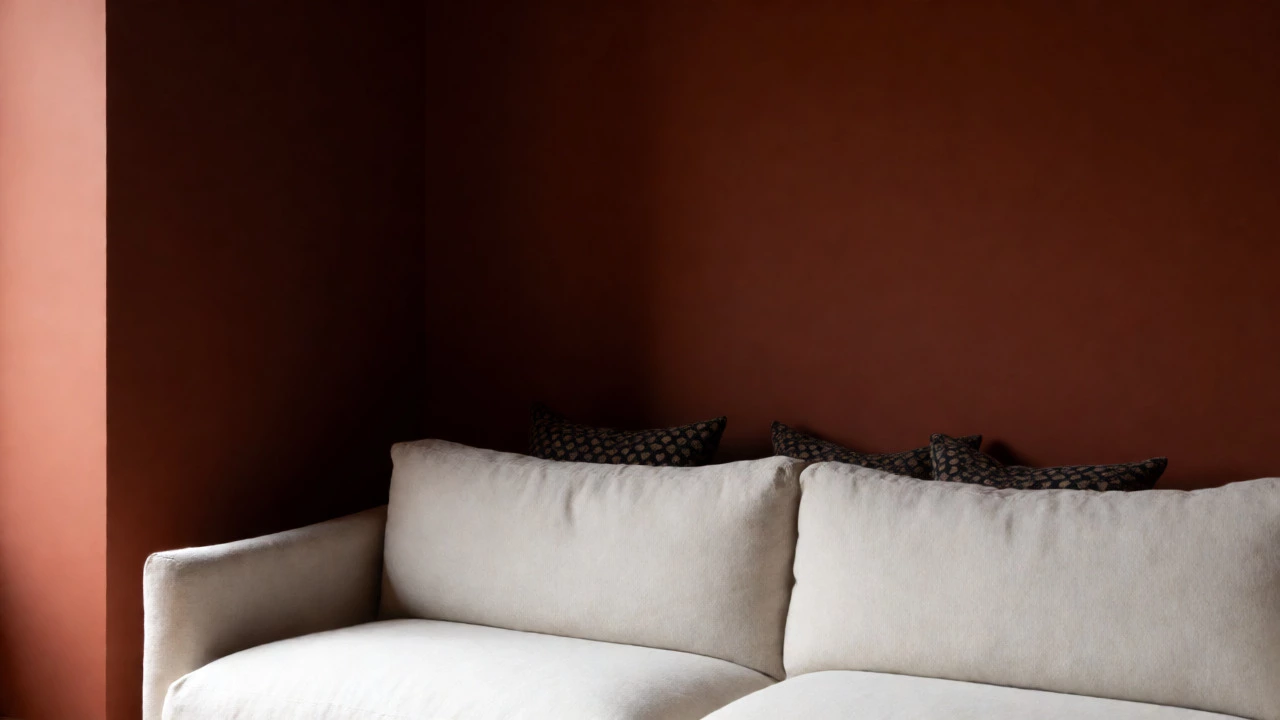
Conversely, placing a lighter sofa against darker walls is a bold move that can expand a cramped space. If your walls are painted a deep terracotta, forest green, or even a moody grey-blue, a cream or oatmeal sofa pops forward. It draws the eye inward, making the seating area feel inviting rather than distant.
This approach works exceptionally well in rooms with low ceilings. Dark walls can sometimes make a ceiling feel lower by absorbing light near the top of the room. A bright sofa reflects light back upward, bouncing illumination around the space. It tricks the brain into perceiving more volume. Additionally, light sofas pair wonderfully with industrial or minimalist aesthetics. They keep the vibe clean and uncluttered.
| Scenario | Recommended Approach | Why It Works |
|---|---|---|
| Small Room, Low Light | Light Sofa, Light Walls | Maximizes reflection; avoids closing in the space. |
| Large Open Plan | Dark Sofa, Light Walls | Anchors the seating area; defines zones clearly. |
| High Ceilings | Dark Sofa, Medium/Dark Walls | Adds warmth; reduces echoey feel of tall spaces. |
| Busy Household (Pets/Kids) | Medium-Dark Sofa, Neutral Walls | Hides stains while maintaining brightness elsewhere. |
| Minimalist Style | Tonal Match (Same Hue, Diff Texture) | Creates seamless flow; emphasizes form over color. |
The Middle Ground: Tonal Harmony
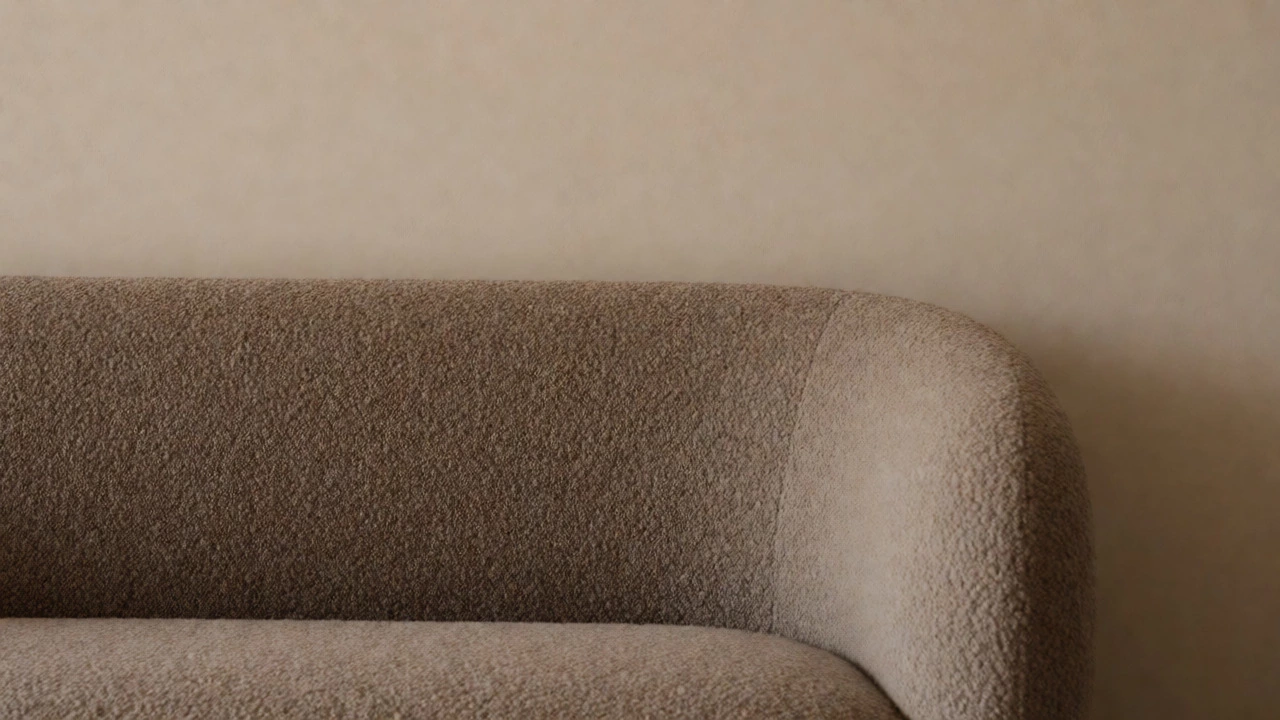
Not everyone wants high drama. Many people prefer a serene, unified look. This is where tonal harmony comes in. You match the sofa to the wall color family but vary the saturation or texture. For example, if your walls are a warm beige, choose a sofa in a slightly deeper taupe or a lighter sand. Because they belong to the same color family, the transition is smooth. There is no jarring edge where the furniture meets the architecture.
To keep this from looking boring, you must rely on texture. A nubby boucle sofa against a smooth plaster wall creates interest through shadow and highlight, even if the colors are nearly identical. Similarly, a sleek leather couch against a textured wallpaper adds dimension. This strategy is popular in Japandi interiors, which blend Japanese rusticity with Scandinavian functionality. The focus shifts from "what color is it?" to "how does it feel?"
Practical Considerations Beyond Color
Color theory is fun, but real life interferes. Here are three concrete factors that should override pure aesthetic preference:
- Fabric Type Matters: A dark velvet absorbs light differently than a dark cotton weave. Velvet looks richer and softer, potentially less harsh against a light wall. Cotton canvas might look stark. Always bring a swatch home and view it at different times of day. Daylight changes how dark colors appear significantly.
- Flooring Connection: Your sofa doesn’t exist in a vacuum. It sits on a floor. If you have dark hardwood floors and light walls, a dark sofa connects the floor to the furniture, creating a continuous line. A light sofa would float awkwardly between the two extremes. Conversely, if you have light oak floors and light walls, a dark sofa provides necessary break-up.
- Resale Value: If you’re renting out a property or planning to sell soon, neutral tones are safer. A beige or grey sofa appeals to the widest demographic. Bold choices like mustard yellow or teal limit your buyer pool. Stick to neutrals for the big ticket item, and add color via cushions and rugs, which are cheap to change.
How to Test Before You Buy
Don’t trust the showroom lighting. Those lights are designed to make everything sparkle. Bring samples home. Cut a piece of cardboard roughly the size of your actual sofa cushion. Paint it the exact color of the proposed fabric. Place it against your wall. Step back ten feet. Squint your eyes. What do you see first? If the sofa disappears into the wall, you lack contrast. If it screams aggressively, you might have too much tension. Adjust the tone until the eye rests comfortably on the furniture as a distinct but harmonious object.
Also, consider the accessories. Throw pillows and blankets can bridge the gap between sofa and wall. If you bought a dark sofa but worry it’s too heavy, add light-colored throws. If your light sofa feels too floating against dark walls, use dark patterned cushions to tie it back to the background. These small tweaks cost pennies compared to reupholstering or repainting.
Final Thoughts on Balance
There is no universal law stating your sofa must be lighter or darker. It depends entirely on the specific conditions of your room: light exposure, size, existing flooring, and your personal tolerance for maintenance. However, remember that contrast aids navigation and comfort. Your eye should easily distinguish where the seating begins and ends. Whether you achieve that through a dark anchor or a light beacon, ensure the relationship feels deliberate, not accidental.
Does a dark sofa make a room look smaller?
Generally, yes, dark colors absorb light and can make boundaries feel closer. However, in a well-lit room or a large open-plan space, a dark sofa can actually make the room feel cozier and more defined without necessarily shrinking the perceived size. It depends on the amount of natural light available.
Should the sofa match the curtains?
No, they do not need to match exactly. In fact, matching them perfectly can look dated. Aim for coordination within the same color family or complementary tones. For instance, if your curtains are a light linen, a cream sofa works well. If your curtains are heavy dark velvet, a lighter sofa provides a nice balance.
What is the best sofa color for hiding pet hair?
The best color is one that matches your pet’s fur. If you have a black cat, a black or dark grey sofa will hide shedding better than a white one. If you have a golden retriever, a beige or tan sofa is ideal. Multi-tonal fabrics or tweeds are also excellent at disguising stray hairs regardless of pet color.
Can I have a dark sofa with dark walls?
Yes, but it requires careful execution. You need significant artificial lighting and varied textures to prevent the room from looking like a cave. Use metallic accents, light wood tables, or bright artwork to break up the darkness. This style creates a dramatic, intimate atmosphere suitable for media rooms or formal lounges.
Is a light sofa harder to keep clean?
Traditionally, yes, but modern performance fabrics have changed this. Stain-resistant materials like Crypton or Sunbrella allow you to have light-colored upholstery that wipes clean easily. Check the cleaning codes (W, S, WS) on the label before purchasing to ensure maintenance fits your lifestyle.