Sofa Orientation Visualizer
Top: Front Door | Bottom: TV Wall
Analysis
Walk into a living room where the main seating is turned completely away from the entrance, and you might feel like you’re missing half the conversation. Or maybe you’ve tried that setup and found it cozy but isolating. The question of whether your corner sofa should face the front door isn’t just about aesthetics; it’s about how you interact with guests, how light flows through the space, and how comfortable you feel when you walk in.
There is no single "correct" answer dictated by interior design laws. However, there are practical rules of thumb that help balance social ease with functional comfort. Let’s look at the pros, cons, and specific scenarios to help you decide what works for your home.
The Social Factor: Why Facing the Door Matters
In most Western cultures, seeing who enters the room is a basic social cue. When your primary seating faces the entrance, you can greet guests without turning around awkwardly or shouting across the room. This creates an immediate sense of welcome.
- Immediate Engagement: Guests see a place to sit right away. If the back of a large corner sofa blocks the view, they might hesitate or wander, unsure where to go.
- Commanding Position: In traditional feng shui, the "command position" means being able to see the door without being directly in line with it. A corner sofa placed perpendicular to the door often achieves this better than one facing it head-on.
- Security: For those who value security, having a clear line of sight to the entry point reduces anxiety. You don’t have to wonder if someone is standing in the hallway while you’re watching TV.
However, if you live in a small apartment where the front door opens directly into the living area, facing the sofa straight at the door can feel confrontational. It’s like sitting on a throne while everyone else has to stand in the doorway. In these cases, a slight angle is usually more effective than a direct confrontation.
The Practical Constraints: Space and Traffic Flow
Before you move heavy furniture, consider the physical reality of your room. Does the layout actually allow the sofa to face the door?
Traffic Flow is the natural path people take when moving through a room. If your corner sofa faces the door, ensure there is at least 30 inches (76 cm) of clear walking space between the sofa and the wall or other furniture behind it. If that gap is too narrow, people will trip over cushions or bump into backs. If it’s too wide, the room feels disjointed, and the sofa becomes an island rather than part of the seating group.
Consider the following constraints:
- Door Swing: Does the front door swing inward? If so, make sure the sofa doesn’t block the full arc of the door. You need enough space for a person to enter comfortably without hitting the armrest.
- Window Light: Corner sofas often anchor a window bay. If you rotate it to face the door, does it block natural light? Dark corners can make a room feel smaller and less inviting.
- TV Placement: If your entertainment center is on the wall opposite the door, facing the door means facing away from the TV. Is that a dealbreaker? Many people prefer their primary seating to face the screen, not the entrance.
When to Face the Front Door
There are specific situations where orienting your corner sofa toward the entrance is the best choice.
| Scenario | Recommended Orientation | Reason |
|---|---|---|
| Large Open-Plan Living Room | Facing or angled toward door | Allows easy greeting and defines the social zone clearly. |
| Small Apartment / Studio | Perpendicular to door (90 degrees) | Saves floor space and avoids blocking the entryway path. |
| Formal Entryway | Facing the door | Creates a formal, welcoming statement upon arrival. |
| TV-Centric Room | Away from door (toward TV) | Prioritizes viewing experience over social greeting. |
If you host frequently, facing the door helps you manage conversations without constantly turning your head. It puts you in control of the social dynamic. If you mostly use the room for relaxation and media consumption, the door’s location matters less than the quality of your view.
Alternative Angles: The Best of Both Worlds
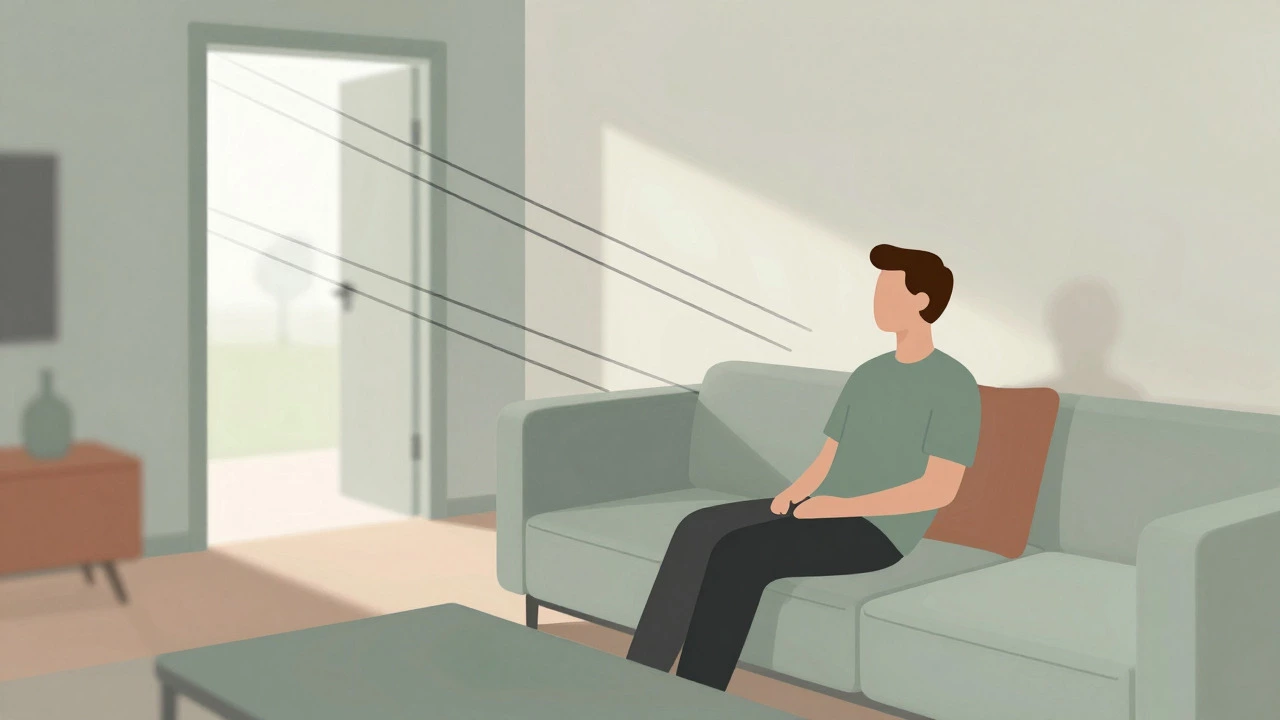
You don’t have to choose between facing the door and facing the TV. The magic number in interior design is often a 45-degree angle.
By rotating your corner sofa slightly, you can achieve several benefits:
- Partial Visibility: You can see the door in your peripheral vision without staring directly at it.
- Better Acoustics: Sound travels differently when speakers aren’t aimed directly at the entryway, reducing echo in open spaces.
- Flexibility: An angled sofa allows for easier movement around the room. People can walk past the seating area without stepping over legs or navigating tight gaps.
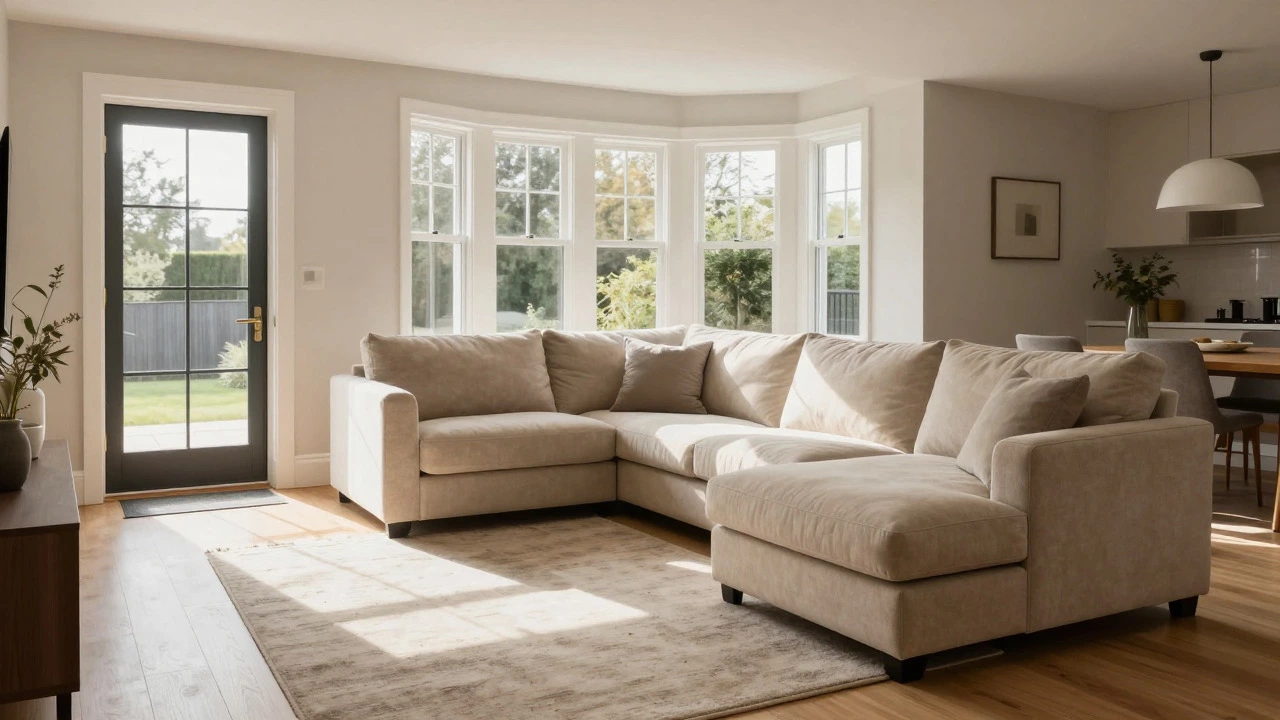
This approach is particularly useful for L-shaped sofas. The long section can face the TV or window, while the chaise lounge section angles toward the door. This creates a "wrap-around" effect that invites guests in without making the entrance feel like a target.
Common Mistakes to Avoid
Even with good intentions, some placements create friction. Here are the most common errors I see in Leeds homes, from cramped terraced houses to spacious semi-detached living rooms.
- The Blockade: Placing the sofa directly in the path of the door. If someone has to step over a cushion to get to the kitchen, the layout fails.
- The Blind Spot: Turning the sofa so far away from the door that you literally cannot see who is entering until they are five feet away. This feels unnatural for most people.
- The Wall Hugging Error: Pushing the sofa against the wall opposite the door to "face" it, but leaving a huge empty void in the middle of the room. This makes the space feel unbalanced. Instead, pull the sofa out slightly to create a defined seating area.
- Ignoring Rugs: If you have a rug, ensure all front legs of the sofa are on it. If the sofa faces the door, the rug should extend toward the entryway to visually connect the two zones.
Practical Tips for Rearranging Your Sofa
Ready to test a new layout? Don’t just guess. Try these steps before committing to the change.
- Use Painter's Tape: Outline the footprint of your corner sofa on the floor with tape. This lets you visualize the space without lifting heavy furniture multiple times.
- Stand in the Doorway: Walk in as if you were a guest. Can you see a seat? Do you feel welcomed? Does the path to the kitchen or bathroom feel natural?
- Check Sight Lines: Sit in the proposed position. Look toward the door. Can you see it comfortably? Now look toward the TV. Is the angle straining your neck?
- Test Traffic Flow: Have a friend walk through the room while you sit in the new spot. Note any bottlenecks or awkward turns.
If the new layout feels restrictive after a week, switch back. There is no penalty for experimentation. The goal is a room that works for your daily life, not just for a magazine photo.
FAQs About Sofa Placement
Is it bad luck for a sofa to face the front door?
Not necessarily. In feng shui, it is preferred that you can see the door from your seat, but you shouldn't be directly in line with it (which can cause energy to flow out). If your sofa faces the door at an angle, it is generally considered auspicious and socially welcoming.
How much space do I need between my sofa and the front door?
You need at least 30 inches (76 cm) of clear walking space. If the sofa is directly in the path of entry, aim for 36 inches (91 cm) to allow for comfortable movement, especially if carrying bags or packages.
What if my living room is too small to face the door?
Place the sofa perpendicular to the door. This saves floor space and keeps the entryway clear. Use a console table or a mirror near the door to reflect light and make the space feel larger.
Should the sofa face the TV or the door?
Prioritize the TV if you watch media daily. Prioritize the door if you entertain often. Ideally, find a compromise angle where you can see both without turning your head excessively.
Does the orientation of a corner sofa affect cleaning?
Yes. If the sofa faces the door and blocks access to windows or radiators behind it, vacuuming and dusting become difficult. Ensure you can reach all walls and fixtures behind the furniture easily.