Electric Recliner Troubleshooter
Is your electric recliner acting up? Follow this guided diagnostic tool to identify the likely cause of the problem based on current symptoms.
Step 1: Check Power Supply
Plug a lamp or phone charger into the same outlet used by the recliner transformer.
Step 2: Check Transformer Light
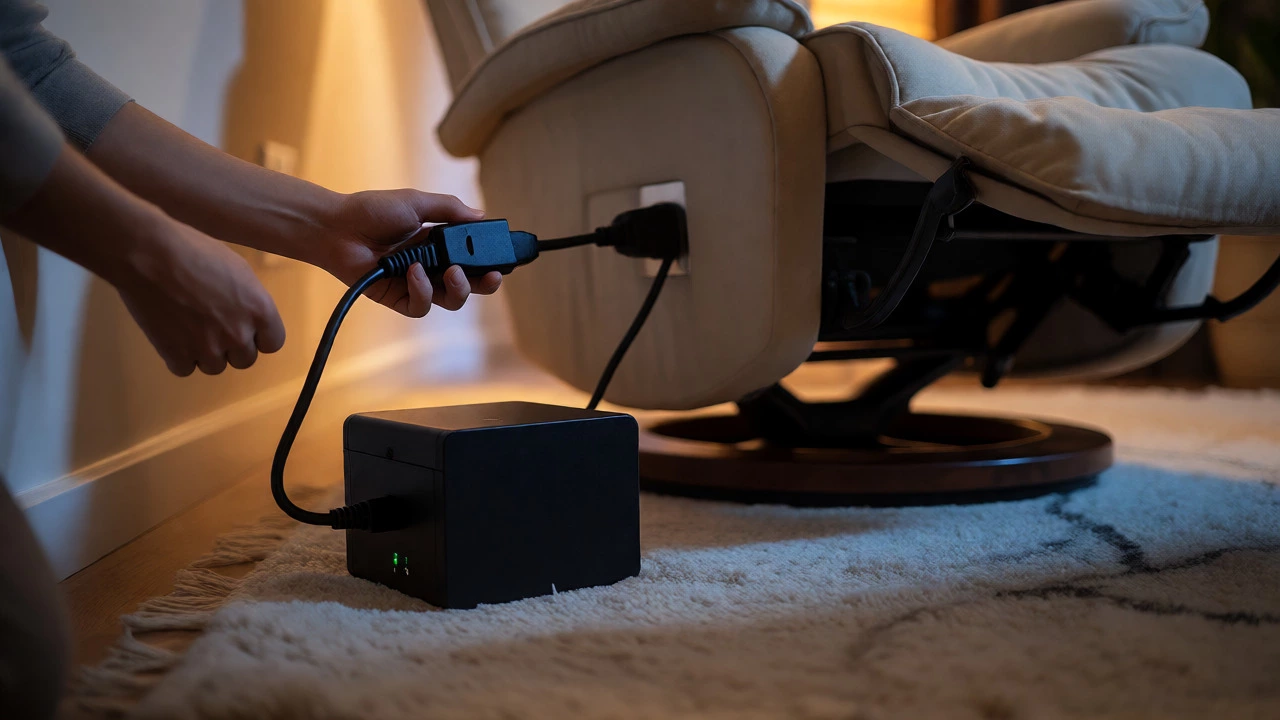
Look at the black transformer box (power brick) near the chair. Is there a small LED light glowing?
Step 3: Test Remote Control
With the transformer light ON, press a button on the remote. Does the chair respond?
Step 4: Listen for Sounds
If the chair doesn't move when you press the button, listen closely to the mechanism underneath.
Step 5: Thermal Behavior
Does the chair stop working after running for a few minutes, then start again after cooling down?
Diagnosis
Recommended Fix:
You’re settling in after a long day, ready to kick your feet up and let the electric recliner do its magic. You press the button, but nothing happens. Or worse, it hums, jerks halfway, and then dies. It’s frustrating, right? But before you panic or call an expensive technician, know this: 80% of electric recliner failures are simple fixes you can handle yourself. We’re talking loose wires, dead remotes, or tripped breakers-not necessarily a broken heart (or motor).
Electric recliners are marvels of modern comfort, blending mechanical engineering with electrical simplicity. When they fail, it’s rarely random. There’s almost always a logical reason behind the silence. Let’s walk through exactly why these chairs stop working and how to get them moving again without losing your mind.
The Power Supply: Check This First
It sounds obvious, but it’s the number one culprit. If your chair is completely unresponsive-no lights, no sound, no movement-the issue is likely upstream from the chair itself. Start with the outlet. Is it live? Plug in a lamp or phone charger to verify. Sometimes, a GFCI outlet in the kitchen or bathroom trips and cuts power to other circuits, including your living room.
Next, inspect the transformer box (often called the power brick). This black rectangular unit sits on the floor near the chair. It converts high-voltage wall current into low-voltage DC power safe for the motors. If the transformer has a small LED light, check if it’s on. No light usually means no power reaching the box. If the light is on, the problem lies further down the line.
- Loose connections: The plug connecting the transformer to the wall might be wiggly. Push it firmly into both ends.
- Damaged cords: Pets love chewing cables. Inspect the entire length of the cord for bite marks or kinks.
- Surge protection: Did a storm recently hit? A surge might have blown the fuse inside the transformer. Some models have replaceable fuses; others require full replacement.
The Remote Control: Not Just Dead Batteries
If the chair has power (the transformer light is on) but doesn’t respond to the remote, don’t just swap batteries and hope for the best. While fresh AA or AAA batteries are often the fix, there’s more to it.
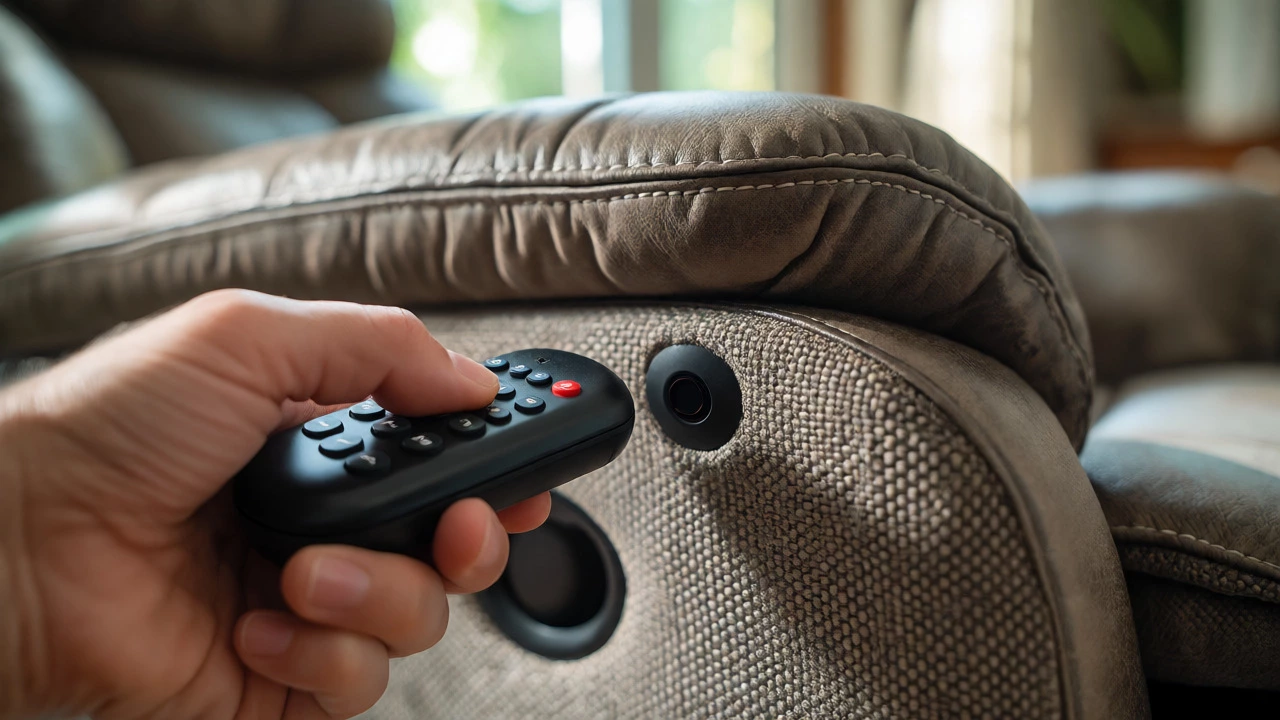
First, clean the contact points inside the battery compartment. Corrosion or dust can prevent a proper connection. Use a cotton swab with a little rubbing alcohol to scrub the metal springs. Next, test the remote’s signal. Many remotes use infrared (IR), which requires line-of-sight to the receiver box on the chair. Others use radio frequency (RF), which works through cushions. If yours is IR, make sure you’re pointing directly at the sensor, usually located under the armrest or on the side panel.
| Symptom | Likely Cause | Quick Fix |
|---|---|---|
| No response, no lights on remote | Dead batteries or poor contact | Replace batteries; clean terminals |
| Remote works close up, not far away | Weak batteries or dirty IR sensor | New batteries; wipe sensor lens |
| Random movements | Interference or stuck button | Remove other electronics; press all buttons to unstick |
| Works sometimes, fails others | Failing internal circuitry | Test with spare remote; consider replacement |
The Motor and Actuator: Listen to Your Chair
If the remote works and the chair gets power, but the mechanism stalls or makes weird noises, we’re looking at mechanical or motor issues. The linear actuator is the muscle of the recliner. It extends and retracts to move the footrest and backrest.
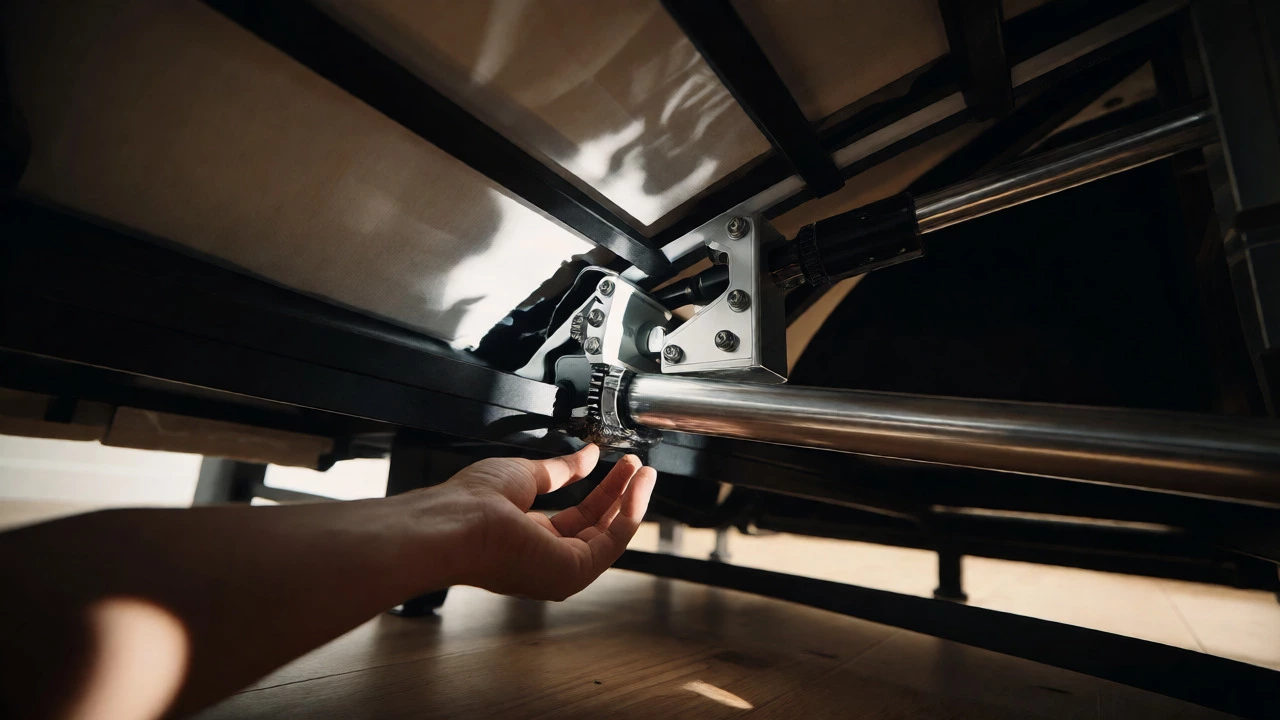
Listen closely when you press the button. Does it hum loudly but not move? That suggests the motor is trying to work but is blocked. Something is jamming the gears. Common culprits include debris under the seat, tangled fabric, or even a pet toy wedged in the track. Turn off the power and manually inspect the underside of the chair. Look for anything obstructing the metal rails.
If you hear a clicking sound, that’s often a sign of stripped gears. Inside the actuator, plastic gears drive the screw shaft. Over time, especially if the chair was used to lift heavy weight (like standing up quickly), these teeth can wear down or snap. Once gears strip, the motor spins freely but transfers no force. Unfortunately, this usually requires replacing the entire actuator unit, though some handy folks open them up to swap specific gear parts.
Wiring and Connections: The Hidden Culprit
Recliners vibrate. They rock. They shift as you sit down. Over years, this constant motion loosens wire connectors. Underneath most electric recliners, you’ll find a junction box where wires from the remote, transformer, and motors meet. These are often quick-connect spade terminals.
Power off the chair. Unplug it. Then, gently tug on each wire connected to the control box. If one comes out easily, it wasn’t seated properly. Reinsert it firmly until it clicks. Also, look for frayed insulation. Wires rubbing against metal frames can short-circuit over time. If you see bare copper touching the frame, tape it up or replace the section. This is a common failure point in older units, particularly those placed on uneven floors that cause extra stress on the base.
Thermal Protection: Why It Stops Mid-Operation
Have you noticed your recliner works fine for ten minutes, then stops? Wait twenty minutes, and it starts again? This is thermal overload protection kicking in. Motors generate heat during operation. If you run the chair repeatedly-say, adjusting it every few minutes while watching TV-the motor overheats. To prevent burning out, a built-in thermostat cuts power until the temperature drops.
This isn’t a defect; it’s a safety feature. However, if it happens too frequently, check for excessive friction in the moving parts. Dry hinges or rusty tracks increase resistance, making the motor work harder and heat up faster. Lubricate the pivot points with a silicone-based spray (avoid WD-40, which attracts dust). Ensure the chair isn’t pressed tightly against a wall, restricting airflow around the motor housing.
When to Call a Pro vs. DIY Repair
Most electrical and minor mechanical issues are DIY-friendly. You need a screwdriver, maybe pliers, and a multimeter if you want to test voltage. But some scenarios warrant professional help. If the control board (the brain of the system) is fried-often indicated by burnt smells or visible scorch marks on the circuit board-replacement parts can be tricky to source for discontinued models. Similarly, if the frame itself is bent from misuse, realigning it requires specialized tools.
Before buying new, check your warranty. Many manufacturers offer 5-year warranties on motors and actuators. Keep your receipt! If you’re unsure about opening the motor casing, leave it to the experts. One wrong wire connection can short out the whole system.
Preventive Maintenance Tips
You can extend the life of your electric recliner significantly with basic care. Here’s what I recommend doing twice a year:
- Vacuum underneath: Dust bunnies accumulate in the motor vents, causing overheating. Use a crevice tool to clear them out.
- Tighten bolts: Check the leg attachments and hinge bolts. Loose joints strain the motors.
- Inspect cables: Look for pinch points where the cord touches the floor or frame.
- Clean the remote: Sticky buttons from spilled drinks can cause continuous activation, draining the motor.
Remember, an electric recliner is a machine. Treat it with a bit of respect, and it will reward you with years of smooth, silent comfort.
Can I replace the electric recliner motor myself?
Yes, if you are comfortable using basic tools like a screwdriver and wrench. Most motors attach with four bolts and two wire connectors. Take photos before disconnecting anything to ensure correct reassembly. Replacement motors are widely available online for popular brands like La-Z-Boy or Flexsteel.
My recliner makes a humming noise but won't move. What does that mean?
A humming noise indicates the motor is receiving power but cannot turn. This is typically caused by a mechanical jam (debris in the tracks) or a seized gear. Try manually lifting the footrest slightly while pressing the button to relieve pressure on the mechanism. If it still doesn't move, inspect for obstructions under the seat.
How long do electric recliner motors last?
With normal household use, a quality linear actuator should last between 7 to 10 years. Factors like frequent use, heavy loads, and lack of lubrication can shorten this lifespan. Regular maintenance helps achieve the upper end of this range.
Is it worth repairing an old electric recliner?
If the frame is solid and the upholstery is good, yes. Motor replacements cost between £30 and £80, which is significantly less than buying a new chair (£500+). However, if the control board is damaged and parts are obsolete, replacement might be more economical.
Why did my recliner stop working after a power cut?
Sometimes the control module loses its calibration after a sudden power loss. Unplug the chair for 60 seconds to reset the electronics. Plug it back in and try operating it slowly. If it moves erratically, it may need recalibration via a specific button sequence found in your user manual.