One In, One Out Wardrobe Calculator
Current Status
Projection Settings
Traditional Shopping (No Rule)
- Total Items Added 0
- Final Wardrobe Size 0
- Total Spent $0
One In, One Out Strategy
- Items Swapped 0
- Final Wardrobe Size 0
- Total Spent $0
Summary
Calculating...
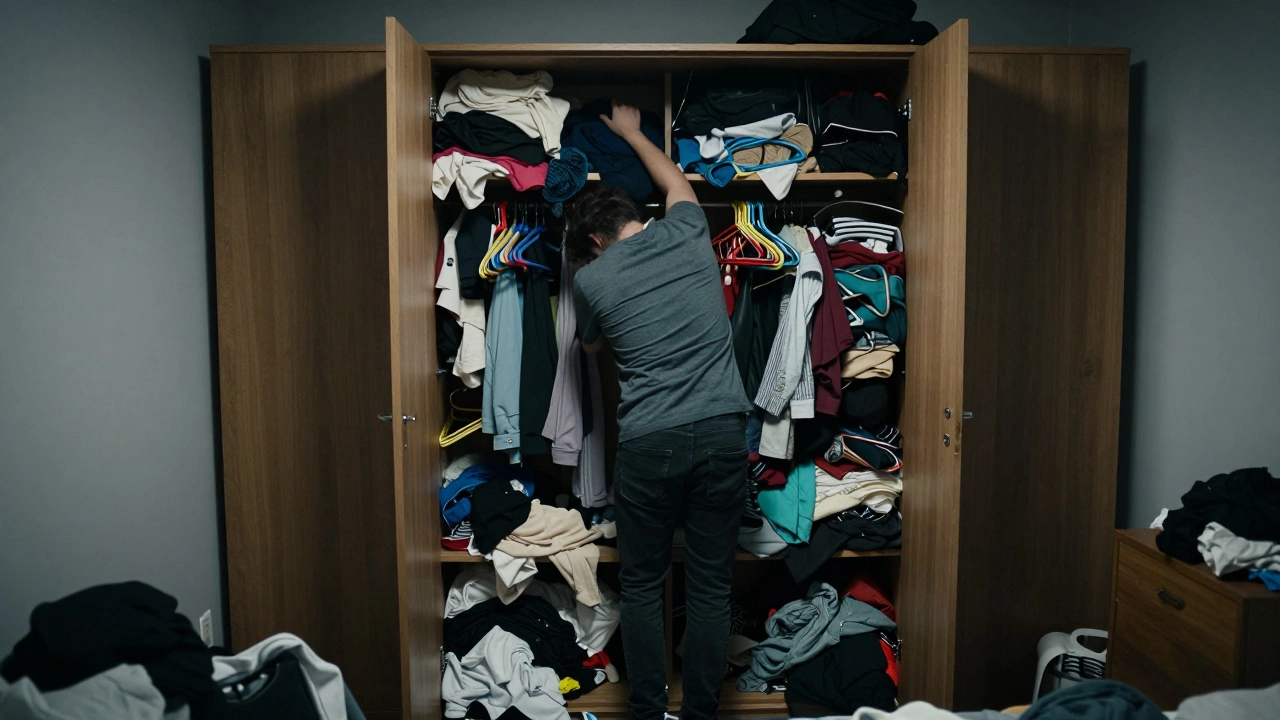
Have you ever opened your closet door and felt a wave of stress instead of excitement? You know that feeling. The clothes are piled high, nothing seems to fit right, and you’re staring at a rack full of items while thinking you have absolutely nothing to wear. It’s a common trap, especially if you’ve been shopping without a clear plan. The solution isn’t buying more storage or hiring an organizer. It’s adopting a simple habit called the one in, one out rule, which is a minimalist strategy where you remove one item from your wardrobe every time you add a new one. This approach keeps your closet manageable, saves money, and reduces decision fatigue.
This method works because it addresses the root cause of clutter: accumulation. Most people don’t have too many clothes because they shop once; they have too many because they never stop adding. By enforcing a balance, you create a system that sustains itself. You might also find useful resources online for various lifestyle changes, such as this directory, but when it comes to your home environment, keeping things simple is key. Let’s break down how to make this rule work for you, whether you’re a seasoned minimalist or just trying to find your keys under a pile of sweaters.
Why the One In, One Out Rule Works
The logic behind this rule is straightforward. If you bring something new into your life, you must let go of something old. This creates a zero-growth policy for your possessions. It sounds restrictive, but it’s actually liberating. When you limit the total number of items you own, each piece becomes more valuable. You start to notice what you truly love and what you’re just tolerating.
Consider the mental load of choosing an outfit. Psychologists call this "decision fatigue." Every extra shirt on your hanger adds a tiny bit of cognitive effort to your morning routine. By capping your wardrobe size, you reduce that friction. You spend less time scrolling through racks and more time getting ready. Plus, there’s an environmental benefit. Fast fashion contributes significantly to waste. When you buy less and keep what you have longer, you’re making a quieter but meaningful stand against overconsumption.
How to Start Without Overwhelming Yourself
You don’t need to purge your entire closet overnight. That’s a recipe for burnout. Instead, start with the next purchase you plan to make. Maybe you see a pair of jeans you really like. Before you check out, ask yourself: what can I part with?
- Identify duplicates: Do you already own three black t-shirts? Keep the best two, donate the third.
- Check the fit: If something doesn’t fit well now, it won’t magically fit later. Let it go.
- Assess usage: Have you worn it in the last year? If not, it’s probably not coming back into rotation.
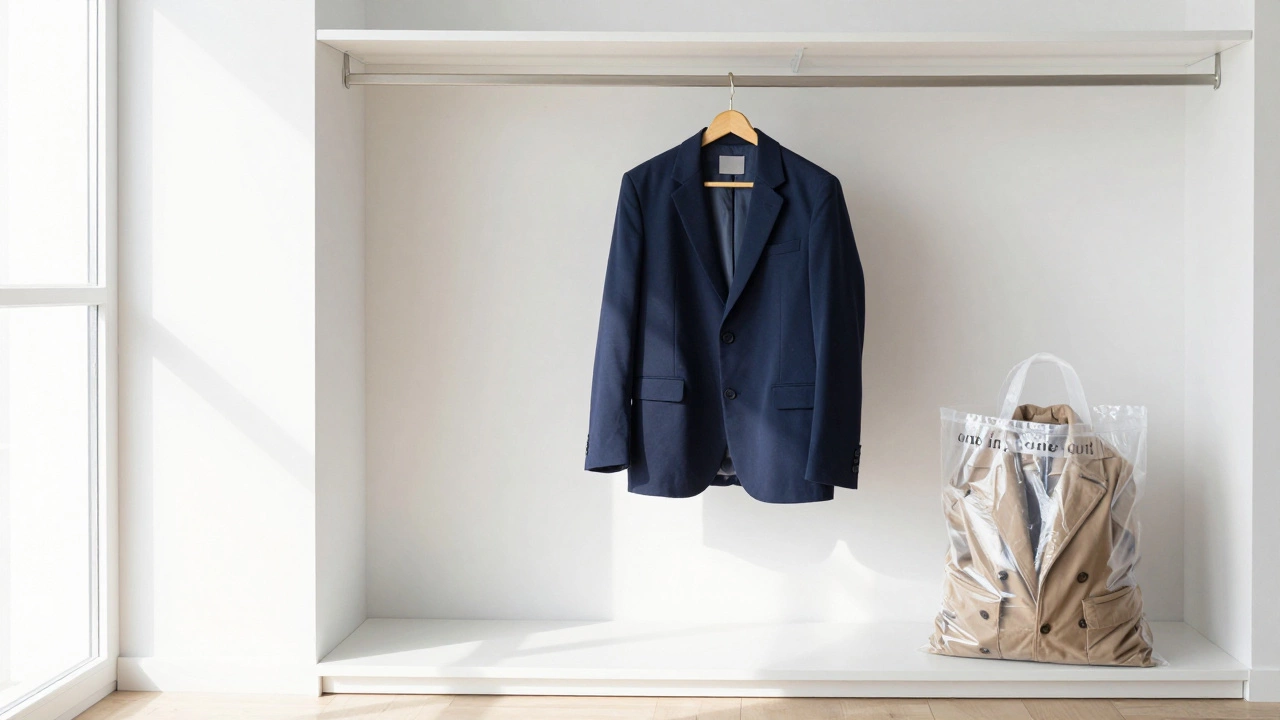
Make the swap immediate. If you buy a new jacket, put the old one in a donation bag before you even hang up the new one. This physical action reinforces the habit. It turns abstract minimalism into a concrete daily practice.
Finding the Right Items to Remove
Deciding what to throw out is often harder than deciding what to buy. We hold onto clothes for sentimental reasons, future hopes ("I’ll fit into this someday"), or sheer inertia. To simplify this, use specific criteria.
First, look for damage beyond repair. Stains, broken zippers, and missing buttons are good candidates for removal. Second, consider style alignment. Does this item match who you are today? Fashion trends change, and so do we. Holding onto a bright neon top from five years ago because it was expensive doesn’t serve you if you no longer feel confident wearing it.
Third, think about versatility. A capsule wardrobe relies on a small collection of interchangeable clothing items that mix and match easily. If a new piece requires five other specific items to look complete, it’s not versatile. Swap it for something that pairs with at least three existing pieces in your closet.
Maintaining Momentum: Tips for Long-Term Success
Consistency beats intensity. The goal isn’t to have an empty closet; it’s to have a curated one. Here are some practical tips to keep the momentum going.
- Set seasonal reviews: Every spring and fall, take everything out of your closet. Lay it on your bed. Put back only what you love and wear. Donate the rest.
- Use a waiting period: For non-essential purchases, wait 48 hours. If you still want it after two days, apply the one-in-one-out rule. Often, the impulse fades.
- Track your spending: Use a budgeting app or a simple notebook. Seeing how much you save by not buying unnecessary items can be motivating.
Don’t be too hard on yourself if you slip up. Maybe you bought two scarves and only donated one. That’s okay. Just get back on track with the next purchase. Perfection is the enemy of progress.
Comparison: Traditional Shopping vs. One In, One Out
| Aspect | Traditional Shopping | One In, One Out |
|---|---|---|
| Wardrobe Size | Grows indefinitely | Remains stable |
| Decision Fatigue | High (too many choices) | Low (curated selection) |
| Financial Impact | Impulse buys accumulate | Intentional spending |
| Environmental Effect | Higher waste generation | Reduced consumption |
| Mental Clarity | Clutter causes stress | Order promotes calm |
Common Pitfalls to Avoid
Even with the best intentions, people stumble. One common mistake is swapping low-quality items for slightly better ones without changing the underlying behavior. You’re still accumulating, just at a slower pace. Focus on quality over quantity. Buy fewer things, but make them count.
Another pitfall is ignoring the emotional attachment. Some clothes carry memories. If you can’t bear to part with a graduation gown or a wedding dress, store it in a box outside your main closet. Keep your active wardrobe for active life. Don’t let nostalgia clutter your daily decisions.
Also, avoid the "sale trap." Just because something is 50% off doesn’t mean you need it. Ask yourself: would I buy this at full price? If the answer is no, walk away. Sales are designed to trigger fear of missing out, not rational need.
Adapting the Rule for Different Lifestyles
The one-in-one-out rule isn’t one-size-fits-all. If you work in a creative field and experiment with bold styles, you might need a larger rotation. In that case, try a "two in, two out" variation. The principle remains the same: maintain balance.
If you live in a climate with distinct seasons, you might rotate items seasonally. Store winter coats in summer and vice versa. This frees up space and makes your current wardrobe feel lighter. Remember, the goal is functionality. Adapt the rule to fit your life, not the other way around.
For families, involve everyone. Teach kids the concept early. When they get new shoes, they choose an old pair to donate. This builds responsibility and empathy. It’s a small lesson with big long-term effects.
Is the one in, one out rule only for clothes?
No, you can apply this rule to any area of your life. Many people use it for books, kitchen gadgets, makeup, and even digital files. The core idea is maintaining balance and preventing clutter from building up unchecked.
What if I can't find anything to donate?
If you truly can't find anything to part with, reconsider the purchase. Do you really need the new item? Sometimes, realizing you have enough is the most powerful step toward minimalism. Wait until you find something that genuinely needs to leave.
Does this rule help with saving money?
Yes, significantly. By forcing yourself to evaluate each purchase critically, you reduce impulse buying. You'll spend more thoughtfully on higher-quality items that last longer, rather than frequently replacing cheap, trendy pieces.
How do I handle sentimental items?
Store sentimental items separately from your everyday wardrobe. Keep your active closet for functional, regularly worn clothes. This prevents emotional attachments from creating clutter in your daily routine.
Can I adjust the ratio to two in, two out?
Absolutely. The key is maintaining equilibrium. If your lifestyle requires more variety, scaling the rule up helps you stay organized without feeling restricted. Just ensure the output matches the input.