ADHD Chair Fit Finder
Answer these questions to find the chair setup that best supports your neurology.
Recommended Setup:
You know that feeling when you just can’t sit still? Maybe you’re tapping your foot, clicking a pen, or shifting your weight from side to side. If you have Attention Deficit Hyperactivity Disorder (ADHD), this isn’t just bad manners or nervous energy-it’s likely ADHD stimming. This self-stimulatory behavior is your brain’s way of regulating itself, helping you focus in a world that often feels too loud, too fast, or too boring.
Most people think of stimming as something only associated with autism, but it’s incredibly common in the ADHD community too. The difference? ADHD stimming is often about managing attention levels. When your brain is under-stimulated, you create stimulation. When it’s over-stimulated, you might seek comfort or repetition to calm down. And here’s the thing most people miss: your environment plays a huge role in how you stim. Specifically, your chair.
The Science Behind the Shake
Why do we do it? It’s not random. Stimming helps regulate dopamine and norepinephrine levels, neurotransmitters that are often dysregulated in ADHD brains. Think of it like revving a car engine. If the engine is idling too low (under-focused), you rev it up by moving. If it’s overheating (overwhelmed), you might slow down with repetitive motions to cool off.
Common ADHD stims include:
- Tactile: Rubbing fabrics, playing with hair, touching desk surfaces.
- Vestibular: Rocking back and forth, spinning, swaying.
- Auditory: Humming, clicking pens, making mouth noises.
- Visual: Pacing, staring at patterns, rapid eye movement.
Ignoring these urges doesn’t make them go away. In fact, suppressing stimming often leads to a crash later. You spend so much mental energy fighting the urge to move that you have less left for actual work. That’s why smart workplaces-and smart home offices-design around movement, not against it.
Your Chair is a Fidget Tool
If you’re sitting in a rigid, traditional office chair, you’re probably fighting a losing battle. Standard chairs are designed for static posture, assuming humans are statues. But if you have ADHD, you need a seat that moves with you. This is where the concept of active sitting comes into play.
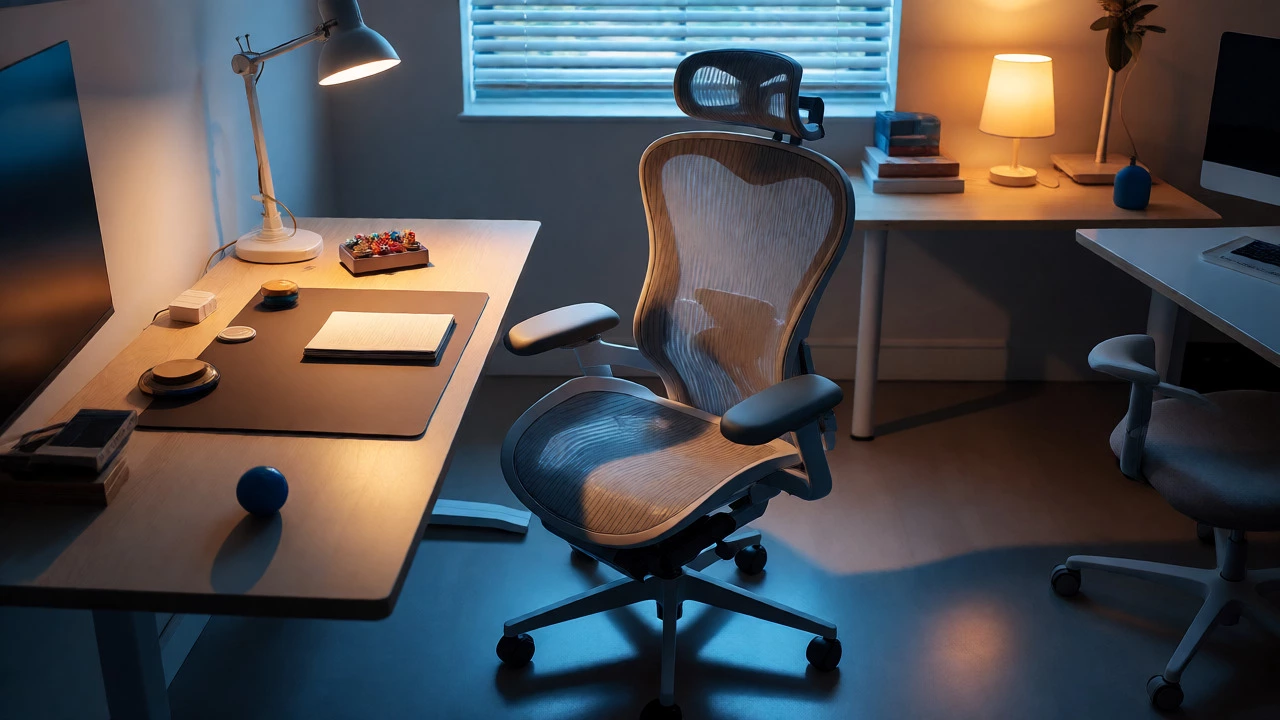
An office chair isn’t just furniture; it’s a sensory tool. A good chair for ADHD allows for micro-movements without breaking concentration. You want a seat that encourages gentle rocking, tilting, and shifting. If your chair locks you in place, your body will rebel. You’ll start slouching, crossing legs tightly, or getting up every five minutes just to relieve the tension.
| Chair Type | Movement Freedom | Best For | Potential Downside |
|---|---|---|---|
| Ergonomic Task Chair | High (Tilt/Rock) | Desk work requiring arm support | Can be too bulky if space is tight |
| Saddle Chair | Medium (Posture shift) | Active users who stand/sit mix | No backrest means core fatigue |
| Kneeling Chair | Low-Medium | Lower back pain relief | Limited leg movement range |
| Balancing Stool | Very High | Constant fidgeters | Requires balance; tiring for long sessions |
| Wobble Cushion (Add-on) | High (360° tilt) | Upgrading existing chairs | Not suitable for high-back needs |
Features That Matter for Fidgeters
So, what should you look for when hunting for the perfect office chair for ADHD? Forget the marketing fluff about "luxury leather." Focus on mechanics that support your neurology.
1. Dynamic Tilt Mechanisms
Look for chairs with a synchro-tilt mechanism. This allows the seat and backrest to move independently. When you lean back, the seat angle opens up slightly, keeping your feet flat. This mimics natural human movement. Avoid chairs with a single fixed lock position unless you plan to stay perfectly still-which you won’t.
2. Breathable Materials
Sensory issues often accompany ADHD. Hot, sticky fabric can be distracting enough to break your flow. Mesh backs are excellent because they allow airflow. If you prefer cushioned seats, choose breathable foam or wool blends. Avoid vinyl or cheap synthetic leather that traps heat.
3. Adjustable Armrests
Do you tap your fingers on the armrests? Do you rest your chin on your hands while thinking? Adjustable armrests let you change height, depth, and width. This gives your hands a dedicated place to stim without hitting your keyboard accidentally. Some modern chairs even offer 4D adjustments, letting you swing the arms out of the way entirely when you need to rock side-to-side.
4. Castor Wheel Quality
This sounds minor, but it’s huge. Cheap plastic wheels squeak and get stuck. Smooth, high-quality castors allow you to glide silently across the floor. That subtle motion of rolling from your desk to the printer can satisfy a vestibular need without disrupting your train of thought.
How to Stim Without Disturbing Others
In an open-plan office or a shared workspace, visible stimming can feel embarrassing. You might worry colleagues think you’re distracted or anxious. Here’s how to integrate stimming into your workflow discreetly using your chair setup.
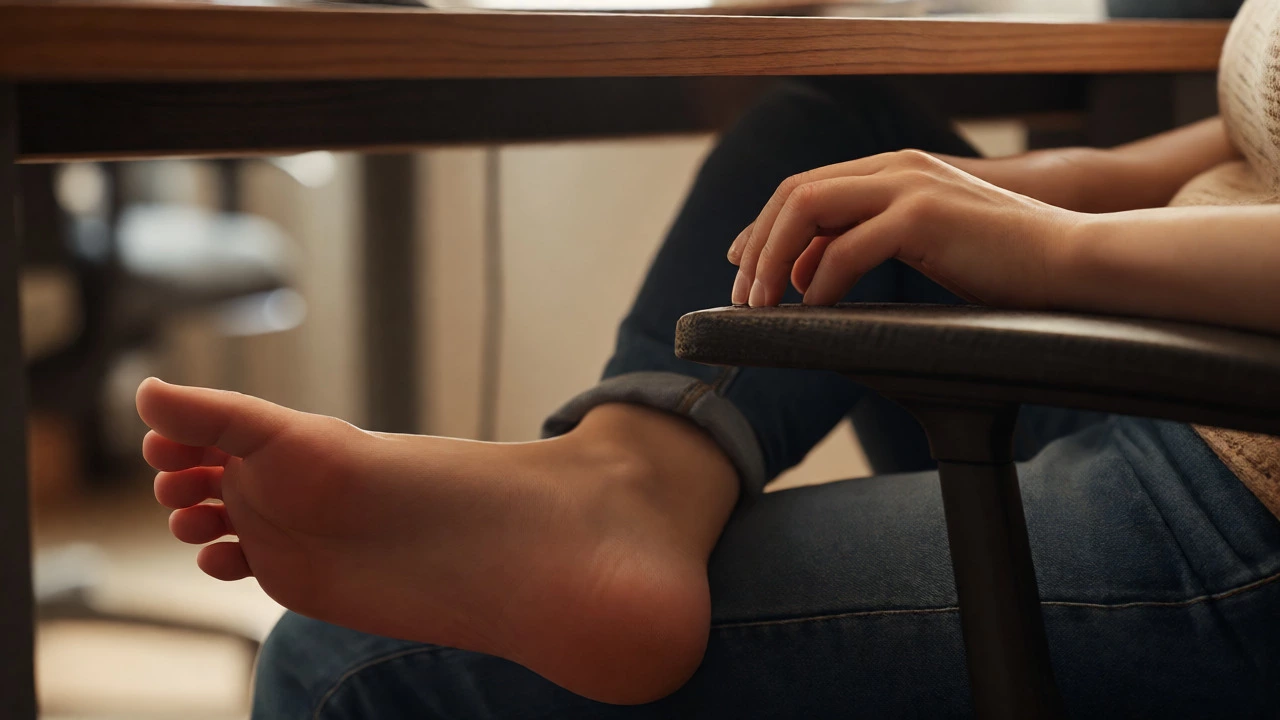
The Foot Rock: Use a footrest or a small stool. Place one foot on the floor and gently rock the other heel. It’s invisible to others but provides constant lower-body feedback. If your chair has a tall gas lift, ensure your feet can reach the ground firmly to push against.
The Lean-and-Rock: Unlock the tilt function on your chair. Set the tension knob so it’s loose enough to rock easily but tight enough not to tip backward. Lean back slightly and engage your core. This engages large muscle groups, burning off excess energy while you read emails or attend virtual meetings.
Texture Integration: Attach a textured strip to the underside of your armrest or the edge of your desk. Velcro strips, silicone bumps, or ribbed tape provide tactile input for your hands. You can rub these textures while listening to someone speak, keeping your hands busy and your mind focused.

Beyond the Chair: Creating a Sensory-Friendly Zone
Your chair is the anchor, but the surrounding environment matters too. If you’re working from home, you have more control. Try these tweaks:
- Lighting: Harsh fluorescent lights can trigger sensory overload. Use warm, dimmable lamps. Consider blue-light blocking glasses if screens bother your eyes.
- Sound: Noise-canceling headphones are great, but sometimes silence is too loud. Try brown noise or rain sounds. They mask distracting spikes in ambient sound without demanding attention.
- Fidget Tools: Keep silent fidget toys nearby. Stress balls, magnetic putty, or infinity cubes. These complement your chair’s movement by giving your hands a specific outlet.
Remember, the goal isn’t to stop stimming. The goal is to make stimming sustainable and productive. When your body is allowed to move, your brain is free to think.
Troubleshooting Common Issues
My chair rocks too much and I lose focus. Tighten the tilt tension knob. You want resistance, not friction. If it’s still too unstable, try a wobble cushion instead of a full dynamic chair. It limits the range of motion but keeps the sensation.
I get back pain from constant movement. You might be compensating for poor posture. Ensure your lumbar support is adjusted correctly. Movement shouldn’t hurt. If it does, check your seat height. Your hips should be slightly higher than your knees. This opens the pelvic angle, reducing strain on the lower back during rocking.
I’m tired of standing up constantly. This suggests your current setup isn’t meeting your sensory needs. You’re seeking big movements because micro-movements aren’t enough. Introduce a standing desk converter or alternate between sitting and standing every 30 minutes. Change of state is powerful for resetting attention.
Is stimming a symptom of ADHD?
Yes, stimming is a common behavioral trait associated with ADHD, though it's also prevalent in autism spectrum disorder. In ADHD, it often serves as a self-regulation tool to manage attention levels and emotional states, rather than just being a repetitive habit.
Can sitting still help me focus better?
For many people with ADHD, forcing themselves to sit still actually reduces focus. The effort required to suppress natural movement impulses consumes cognitive resources that could otherwise be used for the task at hand. Allowing controlled movement usually improves concentration.
What type of office chair is best for ADHD?
Chairs with dynamic tilt mechanisms, adjustable armrests, and breathable materials are generally best. Ergonomic task chairs that allow rocking and reclining are popular choices. Some users prefer balancing stools or saddle chairs for active sitting, depending on their specific sensory preferences.
How do I explain my fidgeting to colleagues?
You don't always need to explain it, but if asked, frame it as a productivity tool. You can say, "I find I concentrate better when I'm allowed to move slightly," or "This helps me process information." Most people understand that different people work differently.
Are fidget spinners effective for ADHD stimming?
They can be, but effectiveness varies. Some find the visual distraction counterproductive, while others appreciate the tactile feedback. Silent, non-visual fidget tools like stress balls or textured strips often work better in professional settings because they don't draw visual attention.