ADHD Seating Matchmaker
Not sure which "leg" of support you're missing? Select the symptoms you're experiencing to find your ideal seating solution.
How do you feel while working?
Your Focus Profile
The First Leg: Physical Stability and Postural Support
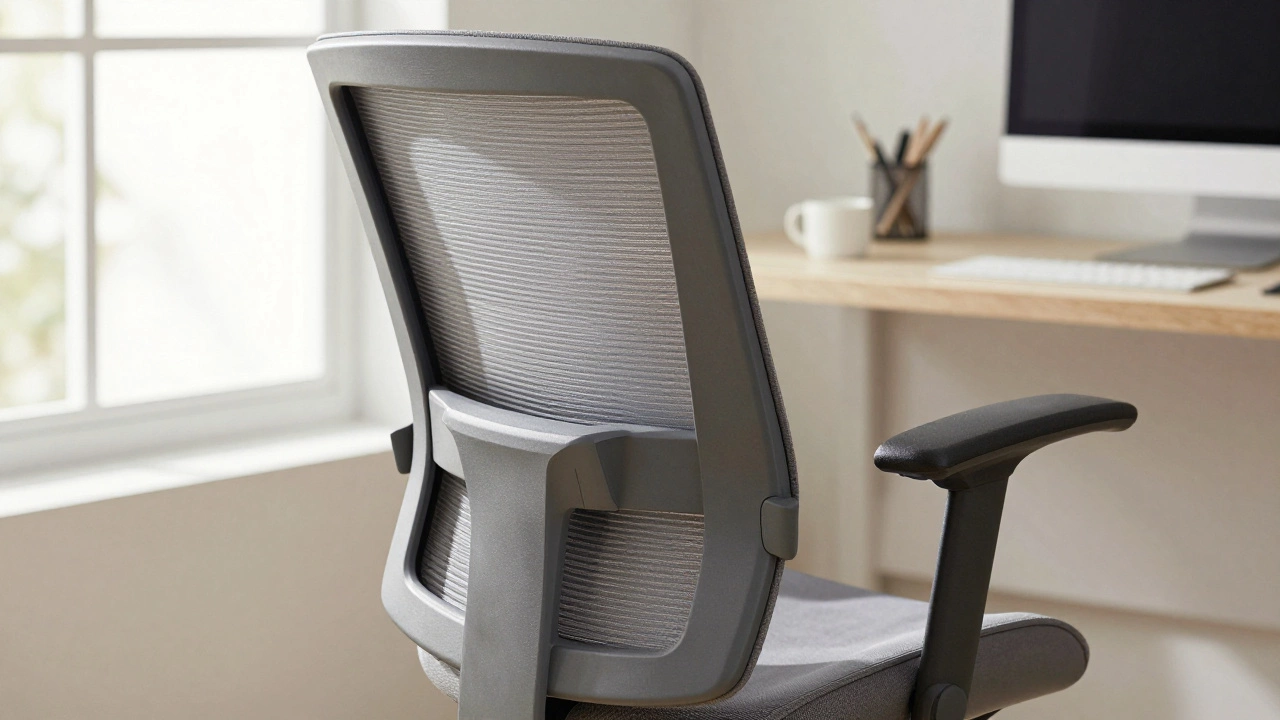
Stability sounds like a contradiction when we're talking about ADHD, but it's the foundation. If your body is struggling to stay upright, your brain spends precious energy on balance instead of the task at hand. This is why a chair with high-quality lumbar support and adjustable armrests is a non-negotiable starting point. When your lower back is supported, you stop the "slump," which often leads to fatigue and mental fog. Think about the difference between sitting on a kitchen stool and a proper ergonomic chair. One leaves you fighting gravity; the other holds you in place. For someone with ADHD, this "passive stability" creates a safe base. It allows you to shift your attention from "how do I sit comfortably?" to "how do I finish this report?" Look for chairs with a synchronous tilt mechanism, which lets the backrest and seat move in tandem, keeping your spine aligned even when you lean back to think.The Second Leg: Active Sitting and Micro-Movements
This is where the magic happens for neurodivergent brains. Active sitting is the practice of using a chair that encourages small, constant movements. This isn't about getting up and walking around every five minutes-though that helps-but about "micro-movements." These are the tiny shifts in weight, tilts, and bounces that provide the brain with the stimulation it craves. Wobble Stools are dynamic seating options with a rounded base that allows the user to tilt in any direction, engaging the core muscles and providing constant vestibular input. Many people find that a balance ball chair or a stool with a 360-degree swivel helps them think more clearly. Why? Because movement stimulates the production of dopamine and norepinephrine in the brain, which are the exact chemicals often lacking in ADHD brains. When you can wiggle or sway while you work, you're essentially "feeding" your brain the stimulation it needs to stay alert.| Chair Type | Primary Benefit | Movement Level | Stability Level |
|---|---|---|---|
| Traditional Ergonomic | Postural Alignment | Low | High |
| Wobble Stool | Vestibular Stimulation | High | Low |
| Saddle Chair | Active Core Engagement | Medium | Medium |
| Active Office Chair | Hybrid Support | Medium | High |
The Third Leg: Sensory Regulation and Tactile Input
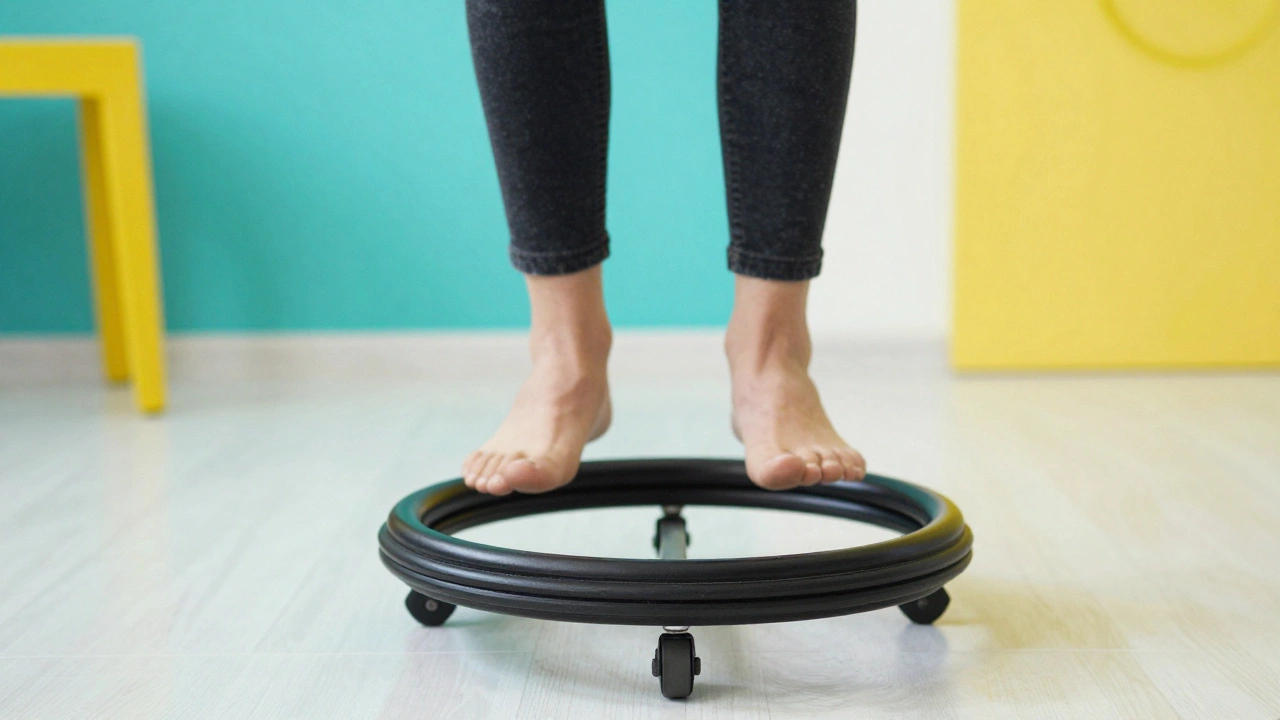
Stability and movement are great, but sensory input is the final piece of the puzzle. Many people with ADHD experience sensory processing differences. This might mean a chair's fabric feels "itchy," or the sound of a squeaky wheel is an unbearable distraction. On the flip side, some need tactile stimulation to ground themselves. This is why the materials of your chair matter. A breathable mesh can prevent the "overheating" feeling that often leads to restlessness. Some users prefer chairs with a specific texture or even add a sensory footrest-like a fidget pedal or a textured mat-under the chair. By managing the sensory environment, you remove the "friction" from your workday. When you aren't distracted by an uncomfortable fabric or a noisy swivel, you can dive deeper into your hyperfocus. Proprioception is the body's ability to sense its location, movements, and actions. ADHD-friendly chairs often enhance this sense through deep pressure or weighted supports. For instance, some people find that a chair with a slightly tighter fit or the addition of a weighted lap blanket provides the grounding they need to stop fidgeting.Putting the Three Legs Together
If you only have stability, you'll get bored and restless. If you only have movement, you'll tire out physically. If you only have sensory regulation, you'll lack the structure to stay on task. The goal is to find a setup that hits all three. Imagine a workstation where you have a high-stability ergonomic chair for deep-work phases, a wobble stool for brainstorming, and a sensory-friendly rug beneath your feet. Or, look for a hybrid chair that offers a locking mechanism for stability but allows for a "rocking" motion when you need to stimulate your brain. A real-world example is the transition to a "dynamic office." Instead of one chair, some professionals use a rotation. They might start the morning in a supportive task chair to knock out emails, then move to a saddle chair for a creative meeting, and finish the day with a standing desk converter. This prevents the physical and mental stagnation that often triggers ADHD-related procrastination.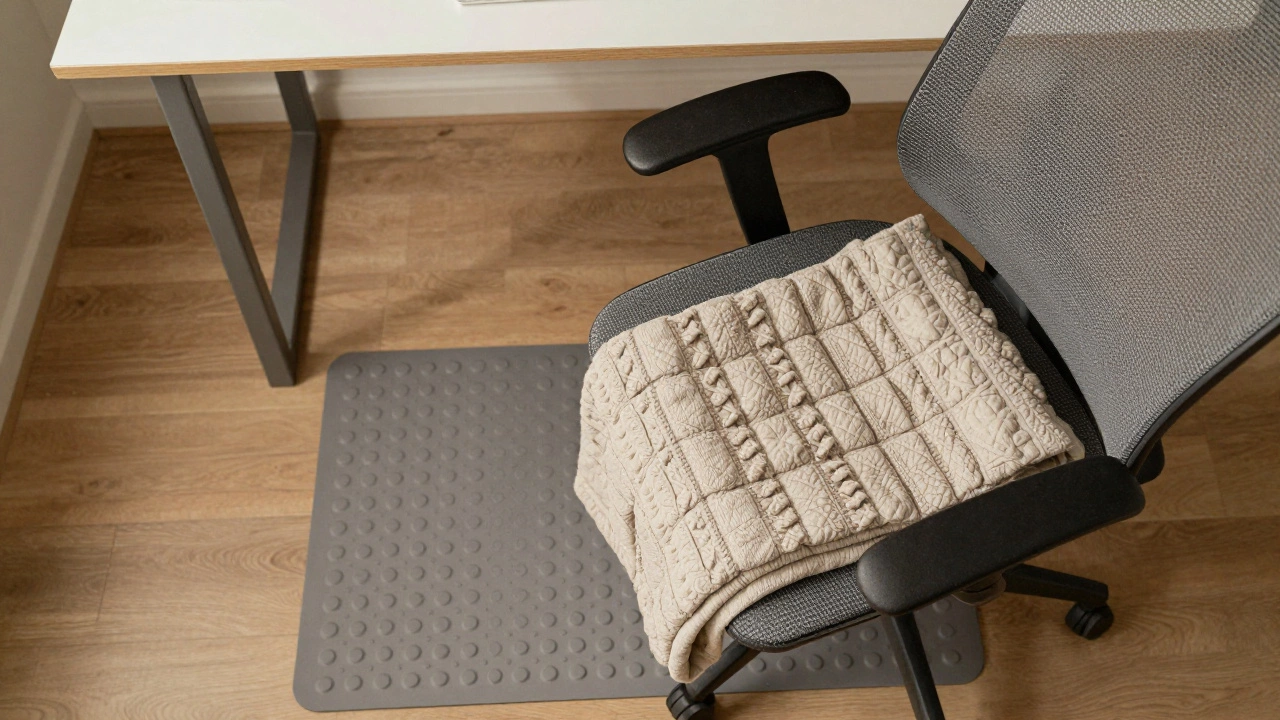
Common Pitfalls When Choosing a Chair
Not every "active" chair is a win. One big mistake is going too far into the movement category. If a chair is *too* unstable, your brain will spend all its effort trying not to fall over, which actually kills your focus. This is the "over-stimulation trap." You want movement that is subconscious, not movement that requires active concentration. Another mistake is ignoring the fabric. A faux-leather chair might look professional, but if it makes a loud "peeling' sound every time you move, it becomes a sensory nightmare for someone with ADHD. Stick to high-quality fabrics or mesh that don't make noise and don't trap heat. Remember, the best chair isn't the one that looks the most "ergonomic" in a catalog; it's the one that lets you forget you're sitting in a chair at all.What is the difference between an ergonomic chair and an ADHD chair?
Traditional ergonomic chairs focus on preventing pain and injury by keeping the body in a fixed, "correct" position. ADHD-friendly seating acknowledges that for some, a fixed position is the problem. These chairs prioritize dynamic movement and sensory input to help the user maintain mental alertness while still providing basic postural support.
Can a wobble stool replace a standard office chair?
For short bursts of activity or brainstorming, yes. However, for an 8-hour workday, most people will find a wobble stool exhausting because it requires constant core engagement. The best approach is usually a hybrid setup or alternating between a stable chair and an active stool.
How does movement actually help focus?
Physical movement, especially vestibular and proprioceptive input (like rocking or tilting), triggers the release of dopamine in the brain. For those with ADHD, this chemical boost helps regulate attention and reduces the urge to seek stimulation through more distracting means, like scrolling on a phone.
Are there budget-friendly ways to get "three-leg" support?
Absolutely. You don't need a $1,000 chair. You can add a balance disk (an inflatable rubber cushion) to a standard office chair to introduce the "active movement" leg. Adding a foot fidget or a textured mat under your desk covers the "sensory" leg, and adjusting your current chair's height and lumbar support handles the "stability" leg.
Does a standing desk count as part of this system?
Yes, standing desks are a great way to incorporate the movement leg. Many people with ADHD find they can think better while standing because it allows for more natural shifting of weight and pacing, which are forms of active regulation.