TV Placement & Ergonomics Calculator
Your Setup Details
Enter your details to calculate the perfect TV position.
You’ve just bought a new 65-inch television, and now you’re staring at a blank wall with a sinking feeling. Do you mount it dead center on the wall like every interior design magazine suggests? Or do you align it with your sofa so it feels natural when you’re lounging? This is one of the most common dilemmas in modern living rooms, and getting it wrong can lead to neck pain, awkward sightlines, or a room that looks unbalanced.
The short answer is: it depends on your furniture arrangement and how you actually use the space. There is no single rule that works for every home. However, there are clear ergonomic guidelines and design principles that will help you decide which approach suits your specific situation. Let’s break down the pros and cons of each method so you can make an informed choice.
The Case for Centering the TV on the Wall
Centering the television is the primary visual focal point of a living room on the wall is the standard recommendation from most interior designers. Why? Because walls are symmetrical. When you place a large rectangular object in the middle of another large rectangle (the wall), it creates a sense of balance and order.
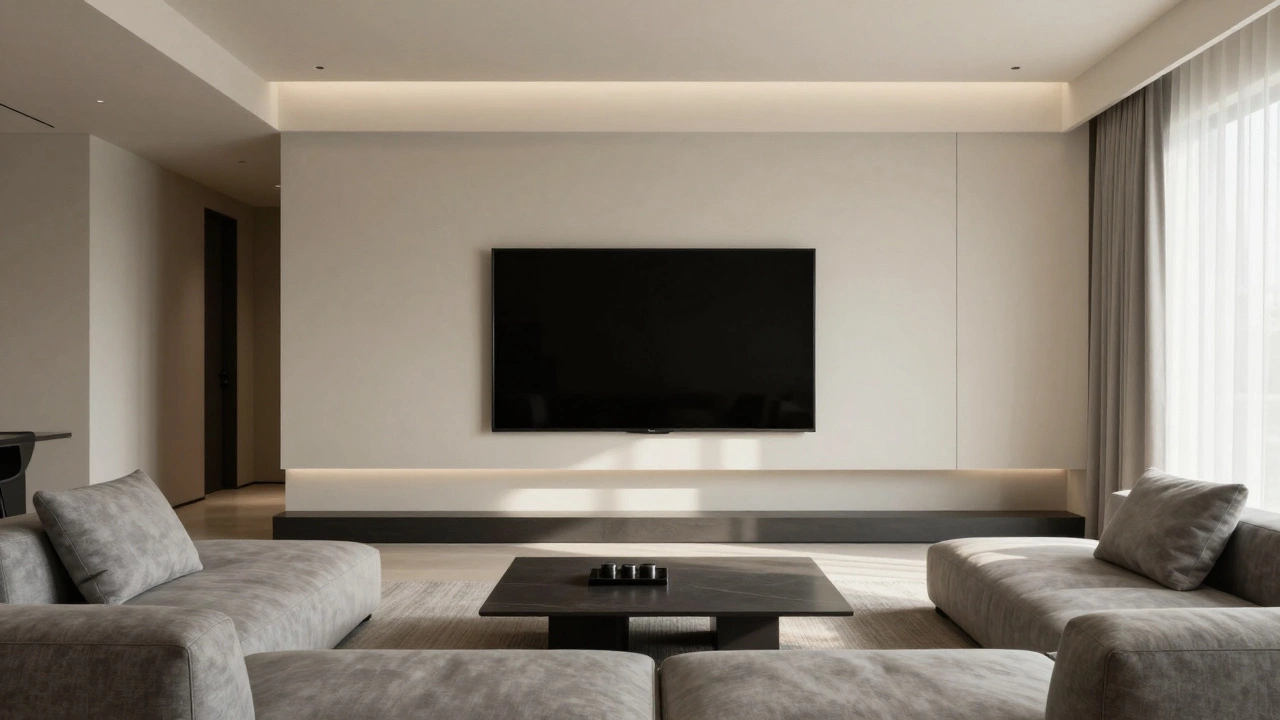
This approach works best if your seating area is also centered. Imagine a classic setup: a large sectional sofa facing the wall, with a coffee table is a low table placed in front of a sofa for holding drinks, books, and decor right in the middle. If the couch is centered against the opposite wall, then the TV should be centered on its wall. The symmetry makes the room feel intentional and polished.
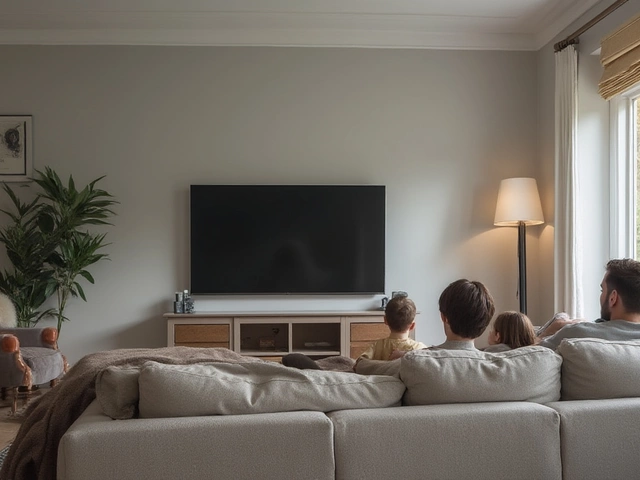
However, this method has a major flaw. Most people don’t sit perfectly still in the exact center of their sofa. You lean back, you shift to the left, you have guests sitting on chairs to the side. If the TV is strictly centered on the wall but your seating is slightly off-center, you’ll find yourself turning your head constantly. Over time, this can cause discomfort.
- Best for: Symmetrical rooms where the sofa is directly opposite the TV wall.
- Visual Impact: Creates a clean, balanced look that highlights architectural features like fireplaces or built-in shelving.
- Pitfall: Can feel disconnected from the actual seating area if the furniture isn’t perfectly aligned.
The Case for Centering the TV on the Couch
Now, let’s talk about ergonomics. Your body knows what feels right. If you sit on your sofa and look straight ahead without twisting your neck, that is your ideal viewing line. Centering the TV relative to your sofa is a piece of furniture designed for seating multiple people comfortably prioritizes comfort over strict symmetry.
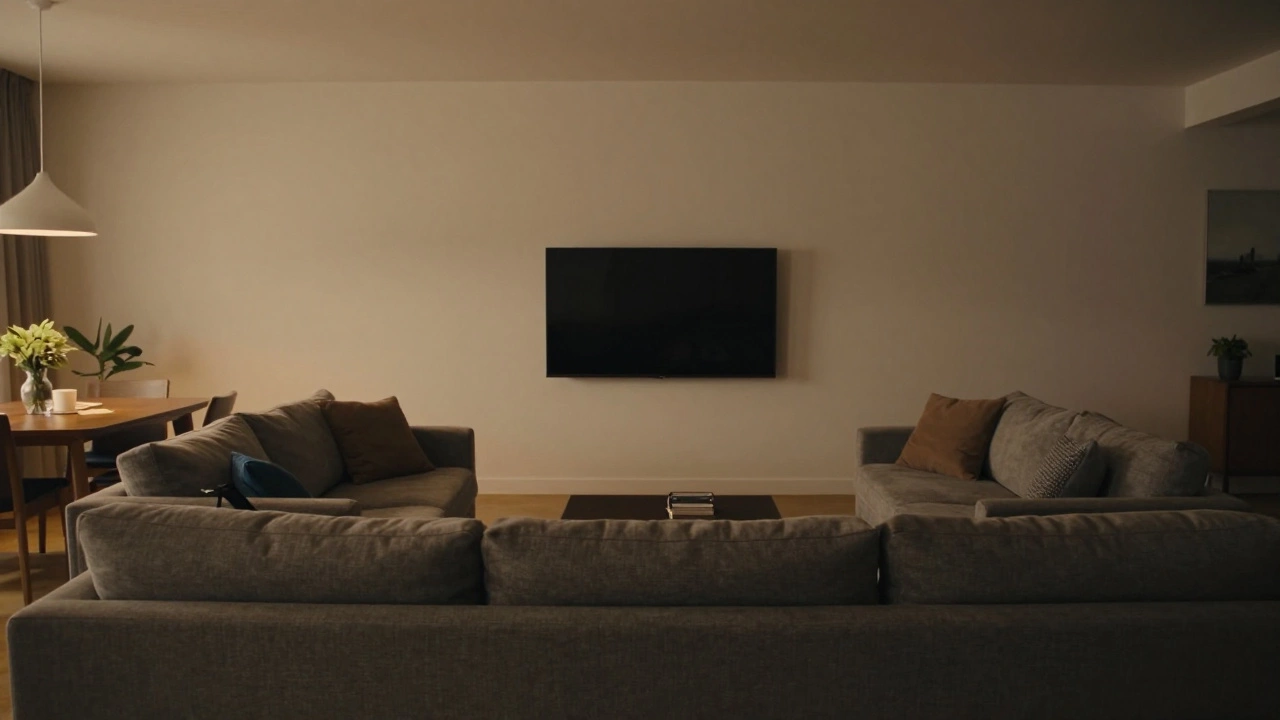
This is particularly important in open-plan living spaces. Maybe your sofa is angled slightly toward a dining area, or perhaps you have a reading chair tucked into a corner. In these cases, the "center of the wall" might be far to the left or right of where you actually sit. By aligning the TV with the center of your main seating, you ensure that the majority of viewers have a direct, neutral line of sight.
Think about it this way: you watch TV to relax. If you have to crane your neck to see the screen clearly, you aren’t relaxing. You’re straining. For many households, especially those with L-shaped sectionals or asymmetrical seating arrangements, centering on the couch is the smarter move.
- Best for: Asymmetrical rooms, open-plan layouts, or setups with multiple seating zones.
- Ergonomic Benefit: Reduces neck strain by keeping the screen in the direct line of sight of the primary viewer.
- Pitfall: May look visually unbalanced if the wall has other features (like a fireplace) that draw the eye elsewhere.
The Height Factor: Eye Level Matters More Than You Think
While horizontal alignment is important, vertical placement is often the bigger mistake people make. A study by the Society of Motion Picture and Television Engineers (SMPTE) suggests that the optimal viewing angle is no more than 30 degrees from the center of the screen. But even before angles, consider height.
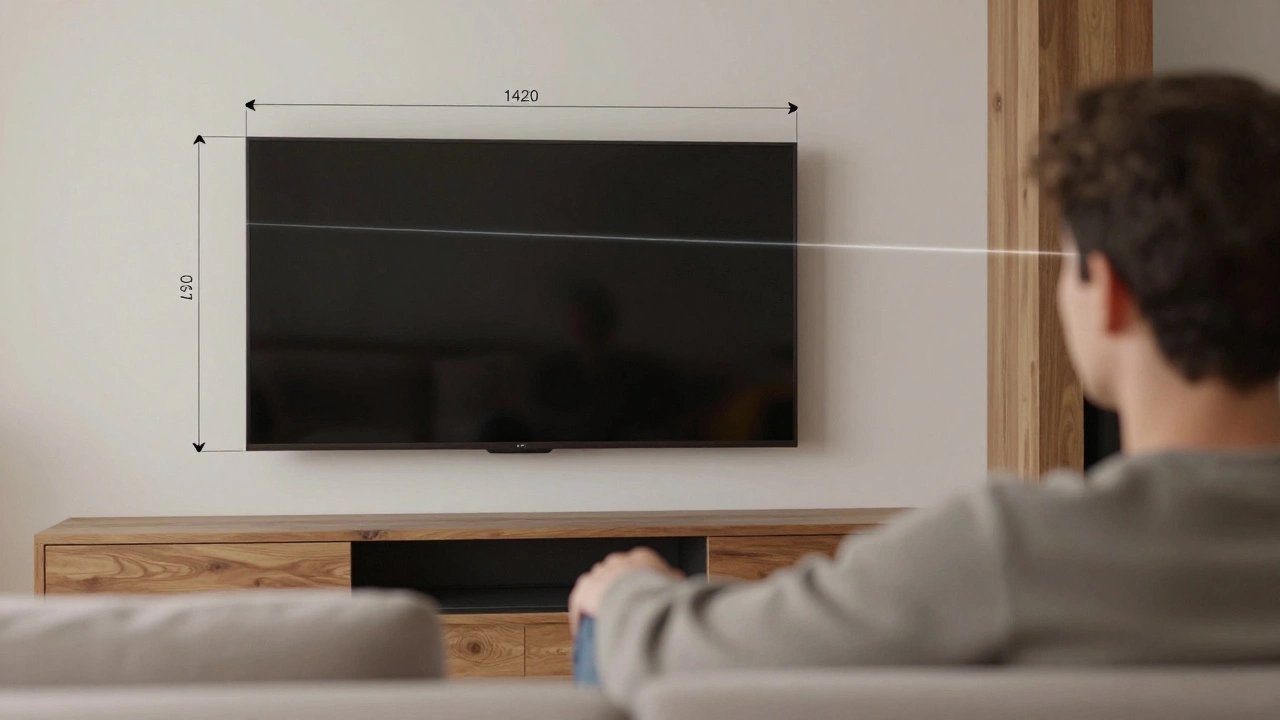
Your eyes should be level with the top third of the TV screen when you are seated. Many people mount TVs too high because they think it looks better standing up. But you don’t watch TV standing up. If the TV is too high, you’ll tilt your head back, leading to neck fatigue. If it’s too low, you’ll hunch forward.
To find the perfect height:
- Sit in your favorite spot on the sofa.
- Have someone hold the TV at different heights.
- Choose the position where your gaze falls naturally on the center of the screen without moving your head up or down.
This usually means the bottom of the TV is about 18-24 inches above the floor, depending on the size of the screen and the height of your sofa.
Dealing with Fireplaces and Architectural Features
Here’s where things get tricky. What if your TV wall has a fireplace? Fireplaces are often centered on the wall, but they are also low to the ground. Mounting a TV directly above a fireplace is a common practice, but it’s rarely ergonomic. It forces viewers to look up, which is uncomfortable for extended periods.
If you must put the TV above the fireplace, consider using a tilting or full-motion mount to angle the screen downward. Alternatively, flank the fireplace with the TV on one side and a bookshelf or art on the other. This breaks the symmetry but improves comfort. In this scenario, centering the TV on the couch becomes even more critical, as the fireplace already disrupts the wall’s visual center.
| Factor | Centered on Wall | Centered on Couch |
|---|---|---|
| Visual Balance | High | Low to Medium |
| Ergonomics | Medium | High |
| Best Room Type | Traditional, Symmetrical | Open-Plan, Modern |
| Fireplace Compatibility | Good (if TV is separate) | Better (avoids neck strain) |
| Guest Experience | Uniform | Varies by seat |
The Role of Coffee Tables in TV Placement
You might wonder why we’re talking about coffee tables are central pieces in living room furniture arrangements in an article about TV placement. The connection is subtle but important. The coffee table defines the boundary between your seating and the TV wall. Its position helps determine the optimal viewing distance.
A general rule of thumb is that the distance from your eyes to the TV should be 1.5 to 2.5 times the diagonal size of the screen. For a 65-inch TV, that’s roughly 8 to 13 feet. Your coffee table should sit comfortably within this zone, typically 12-18 inches from the edge of the sofa. If your coffee table is pushed too far back, you might be sitting too close to the TV. If it’s too far forward, you might be stretching to reach your remote, indicating the TV is too far away.
Additionally, the style of your coffee table can influence the perceived weight of the TV. A heavy, solid wood coffee table anchors the room, allowing for a larger, more prominent TV. A glass or minimalist table keeps the focus lighter, which might pair better with a smaller screen or a mounted unit that appears to float.
Practical Tips for Finalizing Your Setup
Before you drill any holes or buy a stand, try these steps to visualize the best placement:
- Use Painter’s Tape: Mark the outline of your TV on the wall in both the center-wall and center-couch positions. Live with it for a day. Notice where your eyes naturally go.
- Check Cable Management: Ensure that power outlets and HDMI ports are accessible. Poor cable management can ruin even the best-placed TV.
- Consider Lighting: Avoid placing the TV directly opposite a window. Glare can wash out the image. If this is unavoidable, consider an anti-glare screen or adjustable blinds.
- Test with Different Seating: Sit in all the chairs in the room. Is the view comfortable from everywhere, or just the main sofa? If you have a multi-zone room, prioritize the primary seating area.
Remember, your home is for living, not just for looking good in photos. While aesthetics matter, comfort should never be compromised. If centering the TV on the couch makes your evenings more enjoyable, then that’s the right choice for you.
Should I center my TV over the fireplace?
It depends on your ceiling height and viewing habits. If your ceiling is high (9+ feet) and you primarily watch TV while lying down or reclining, mounting over the fireplace might work. However, for standard seating, it often causes neck strain due to the upward viewing angle. Consider a tilting mount or placing the TV to the side of the fireplace for better ergonomics.
How high should I mount my TV?
The center of the TV should be at eye level when you are seated. For most people, this means the bottom of the TV is approximately 18-24 inches off the floor. Measure your eye level while sitting on your sofa, then adjust the mount accordingly. Avoid mounting based on standing height.
What is the ideal distance between my sofa and TV?
A good rule of thumb is 1.5 to 2.5 times the diagonal size of your TV. For example, a 55-inch TV should be viewed from about 7 to 11 feet away. This ensures the image is immersive without being pixelated or overwhelming. Adjust based on personal preference and resolution (4K allows for closer viewing).
Can I use a TV stand instead of mounting?
Yes, a TV stand offers flexibility and easier access to ports. It’s ideal if you plan to change your layout frequently or if drilling into walls is not an option. Just ensure the stand is stable and matches the height requirements for ergonomic viewing. Media consoles also provide storage for electronics and clutter.
How does a coffee table affect TV viewing?
The coffee table helps define the seating zone and viewing distance. It should be positioned 12-18 inches from the sofa to allow easy access without obstructing the path to the TV. Its size and style can also balance the visual weight of the TV, ensuring the room feels cohesive rather than dominated by the screen.