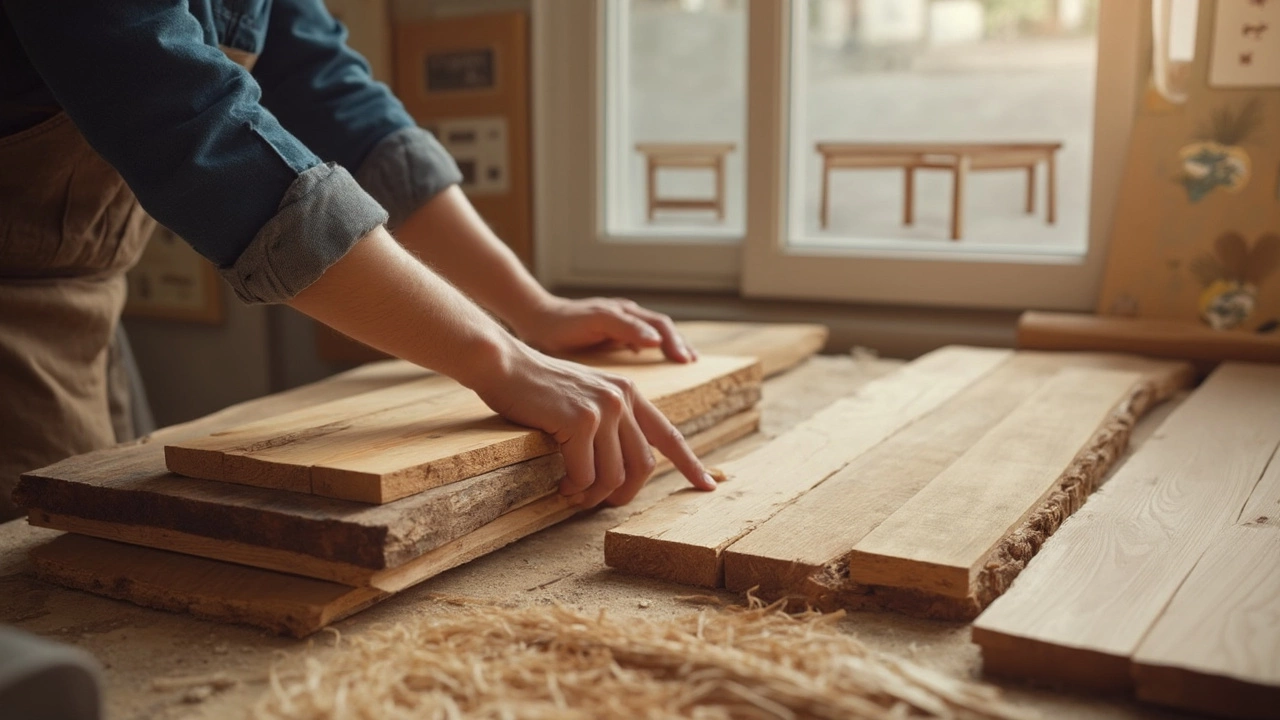
Woodworking Tips: Keep Your Furniture Strong and Beautiful
Got a wooden table, chair, or shelf you love? The secret to a long life isn’t magic – it’s simple habits. Below are the most useful tips you can start using today to keep wood looking fresh, sturdy, and free of nasty surprises.
Storage Basics for Wood Furniture
First rule: keep wood away from extreme temperature swings. Store pieces in a room where the temperature stays between 60‑75°F (15‑24°C). If you must use a garage, add a portable heater or dehumidifier to stop the air from getting too dry or too damp.
Never place furniture directly on a cold concrete floor. A sturdy pallet or rubber mat creates a breathable barrier and stops moisture from soaking up through the legs. When stacking items, put a sheet of breathable fabric or cardboard between pieces – this prevents scratches and lets air flow.
Orientation matters too. Keep the grain side up and the back side down if you’re stacking flat. This reduces pressure on the surface and avoids warping. For long‑term storage, cover furniture with a breathable cloth cover, not plastic. Plastic traps moisture and encourages mold.
Preventing Mold and Moisture Damage
Mold loves damp wood. To stop it, aim for indoor humidity between 40‑55%. A small hygrometer tells you when you need a dehumidifier. If you spot any musty smell, wipe the area with a mixture of equal parts water and white vinegar – it kills spores without harming the finish.
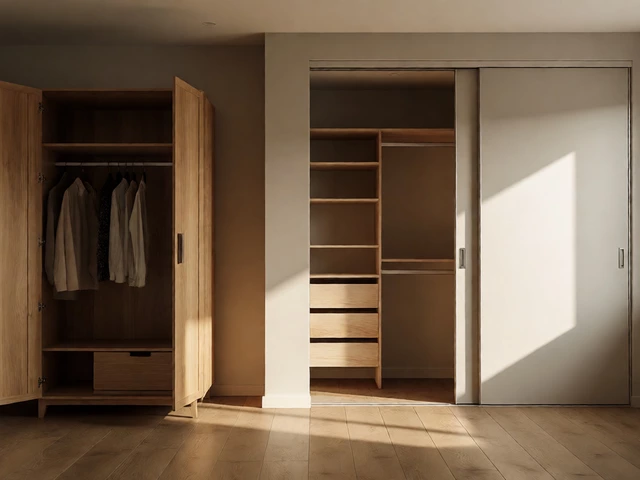
Regularly inspect joints, especially in closets or cabinets that sit near external walls. Look for water stains or swelling; these are early signs of trouble. If you find a spot, sand it lightly and refinish with a water‑based sealant.
Finish your pieces with quality wax or oil. A thin coat acts like a skin, repelling water while letting the wood breathe. Reapply every six months for high‑traffic items like dining tables.
When moving wood furniture, always use padded blankets and avoid dragging it across rough surfaces. Scratches expose raw wood, making it a target for moisture and mold.
Lastly, keep sunlight in check. UV rays fade finish and dry out wood. Use curtains or UV‑filtering film on windows that get a lot of sun, especially in rooms where you display prized pieces.
Follow these straightforward woodworking tips and you’ll see the difference. Your furniture will stay sturdy, look great, and last for years – all without costly repairs or replacements.