Wood Warping: Why It Happens and How to Stop It
If a table leg looks like it's leaning or a bookshelf has a crooked shelf, you’re probably dealing with wood warping. It’s not magic – it’s the wood reacting to its environment. In this guide we’ll break down the reasons, show you easy ways to keep warping at bay, and give practical fixes when it does show up.
What Makes Wood Warp?
Wood is a natural material that expands and contracts with changes in moisture and temperature. When one side of a piece dries faster than the other, the uneven movement bends the wood. Common culprits are:
- High humidity: Too much moisture makes wood swell.
- Low humidity: Dry air dries the exposed side, pulling it inward.
- Direct sunlight: Heat on one side speeds up drying.
- Poor ventilation: Storing a couch in a cramped closet traps moisture.
Even a small swing in humidity – say from 30% to 70% – can twist a piece over a few weeks.
How to Prevent Warping Before It Starts
Preventing warping is mostly about controlling the environment where your furniture lives. Here are the easiest steps you can take right now:
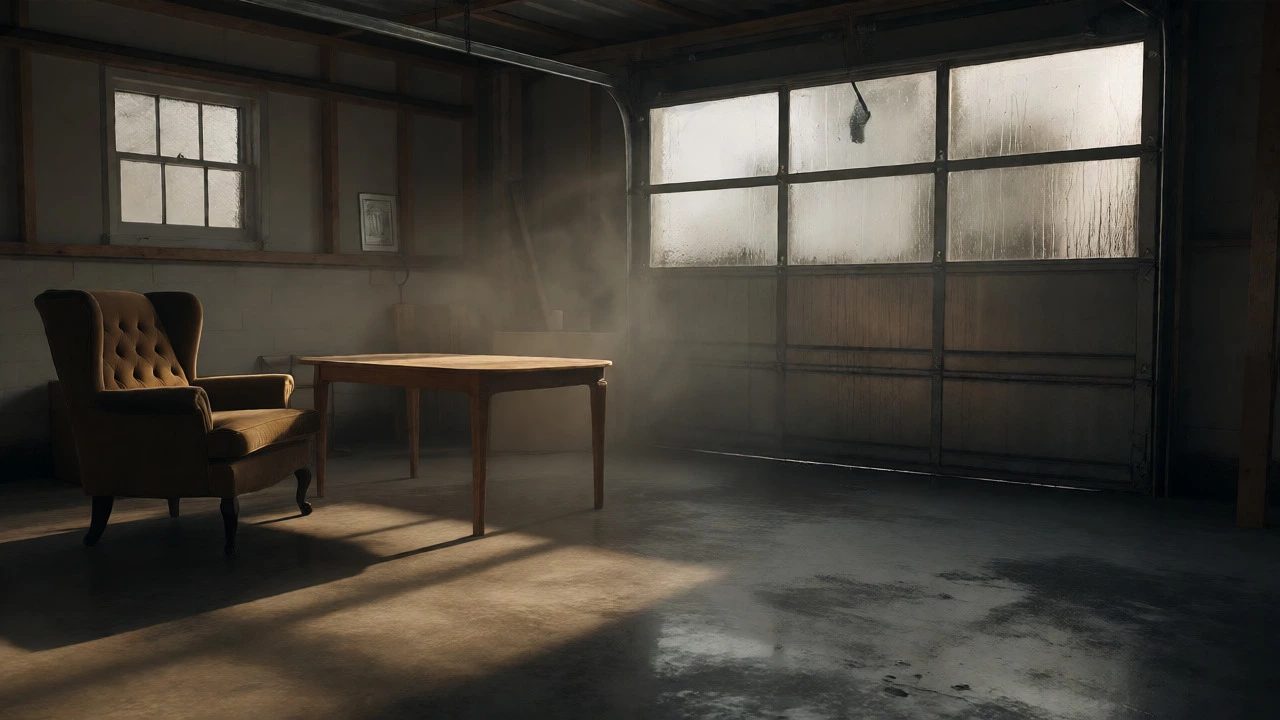
- Use a climate‑controlled space: If you store furniture in a garage or basement, invest in a dehumidifier or humidifier to keep levels around 45‑55%.
- Avoid direct sun: Keep large pieces away from windows or use window film.
- Allow airflow: Leave a few inches of space between walls and furniture. A simple breathable cover can help.
- Seal the wood: A clear polyurethane or wax finish creates a barrier that slows moisture exchange.
- Acclimate new pieces: Let a newly purchased table sit in the room for 48‑72 hours before assembly.
These habits cost almost nothing but can save you a lot of repair headaches.
When you need to move furniture, pack it in sturdy boxes, not plastic sheeting, and keep the boxes upright. This stops the wood from being squeezed on one side for long periods.
Quick Fixes for Warped Pieces
Even with the best care, warping can still happen. Most small warps are fixable without a workshop:
- Moisture reversal: Lightly dampen a cloth, lay it on the concave side, and cover with a heavy flat board for 24‑48 hours. The wood will absorb moisture and straighten.
- Heat and weight: Place a warm (not hot) iron on a cloth over the warped area while applying steady pressure. This works for minor bends.
- Clamp and dry: For a bowed leg, clamp it to a flat surface and let it dry for a few days. Use a rubber pad to avoid scratches.
If the warp is severe or the piece is a structural component (like a table frame), it’s safest to call a professional carpenter. They can re‑plane or replace the affected part.
Remember, the goal is to stop the wood from moving further, not just hide the problem.
By keeping humidity steady, protecting wood from sunlight, and giving each piece a chance to breathe, you’ll see far fewer warped surprises. When warps do appear, a quick moisture or heat treatment can often set things right. Your furniture will stay solid, straight, and ready for everyday use.