Window Tips and Tricks for Every Home
Windows do more than let light in – they shape how a room feels and how furniture works together. Whether you’re updating a single pane or planning a full remodel, the right choices can make a big difference without breaking the bank.
Pick the Right Style for Your Space
Start by looking at the room’s purpose. A kitchen that needs ventilation usually benefits from casement or awning windows that open wide. Living rooms often look best with double‑hung or sliding windows that keep a clean line and don’t clash with sofas or coffee tables.
Measure the opening twice and write down the exact height and width. Most manufacturers offer standard sizes, but a custom size isn’t a disaster – it just costs a bit more. When you’ve got the dimensions, check the frame material: uPVC is cheap and low‑maintenance, wood adds warmth, and aluminium gives a modern edge.
Match Windows with Furniture and Décor
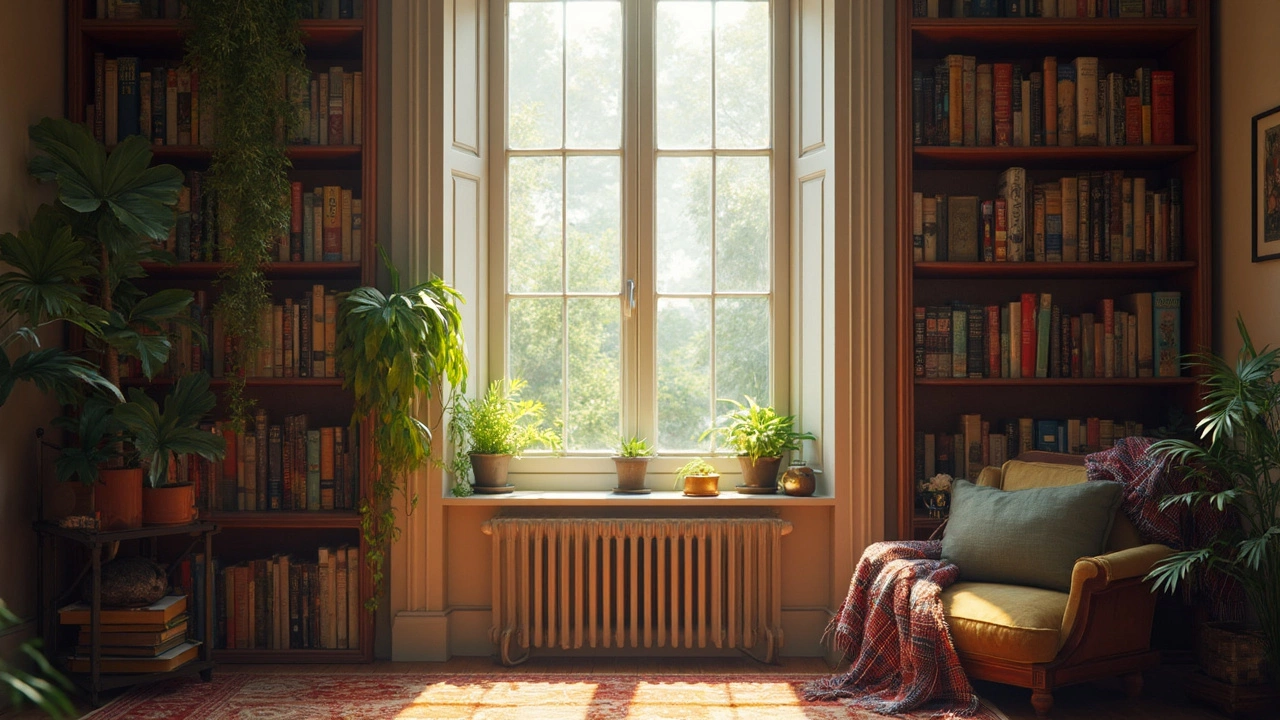
Don’t let a big window dominate a small room. If the view is a selling point, choose minimal window‑treatments like sheer curtains that still let you see outside. For a cozy feel, pair a window with a low‑profile sofa or a set of comfy armchairs that sit just a foot away – this creates a conversation zone while preserving natural light.
Consider a window seat if you have a deep bay. Build a simple bench with a cushioned lid, and you’ve got extra seating plus storage underneath. That’s a classic way to turn a window into furniture without extra cost.
When it comes to colours, let the window frame guide your palette. Dark frames work well with light walls and bright upholstery, while white or light frames blend with pastel walls and neutral sofas. Keep the overall look balanced – if your window treatment is bold, tone down the nearby furniture, and vice versa.
Finally, think about energy. Double‑glazed windows keep rooms warmer in winter and cooler in summer, which helps your heating and cooling bills. Adding a thin layer of reflective film is an easy upgrade if you can’t replace the whole window.
By treating windows as a key design element, you’ll boost curb‑appeal, improve comfort, and make your furniture look its best. Got a specific window challenge? Drop us a note – we love turning tricky spaces into stylish rooms.