Where Not to Put TV – Avoid the Biggest Placement Mistakes
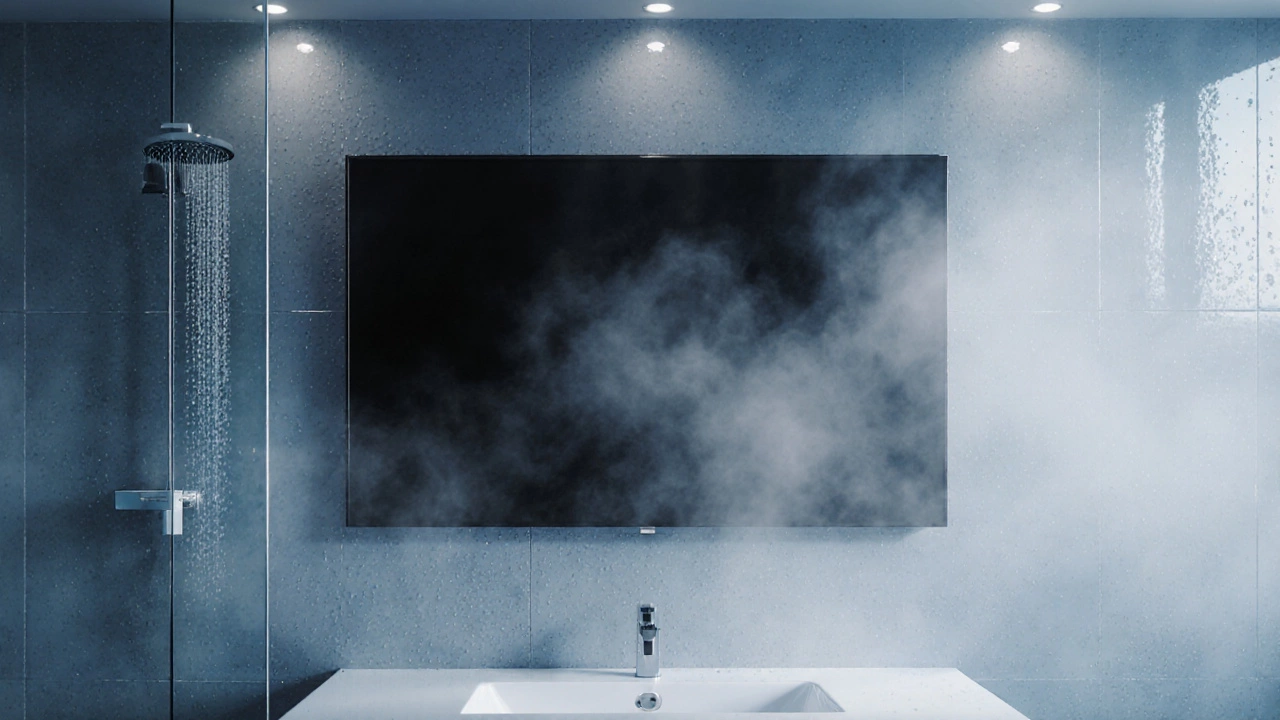
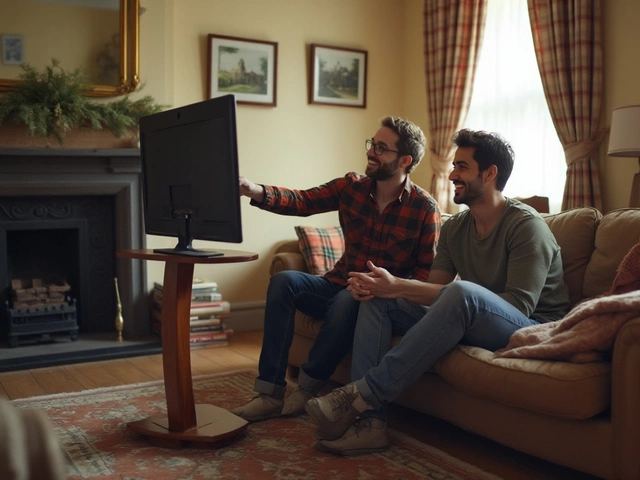
When figuring out where not to put TV, the focus is on spotting spots that hurt viewing comfort, damage furniture, or create safety hazards. Also called TV placement pitfalls, this concept links directly to TV wall mount, a fixed‑point solution that keeps the screen at eye level and away from high‑traffic zones and to TV stand, a free‑standing piece that can become a tripping hazard if placed wrong. Both of these relate to living room layout, the overall arrangement of furniture that determines sightlines, flow, and safety. Understanding these connections helps you avoid the spots that ruin a movie night or damage your walls.
One classic no‑go is tacking a TV above a fireplace that sits too low. The heat can warp the screen, and the upward tilt forces viewers to crane their necks, leading to discomfort. Another bad spot is on a wall that shares a bedroom door; the glare will wake anyone trying to sleep, and the sound can echo into private spaces. Placing a TV on a narrow console near a window invites sunlight glare and causes the screen to flicker, making it hard to see anything. These mistakes illustrate how where not to put TV directly influences the room’s ergonomics, safety, and aesthetic balance.
Key Factors to Check Before You Mount
First, measure eye level when you’re seated on your favorite couch. The screen’s center should sit roughly 42 inches from the floor for most adults. Second, test the wall’s material – drywall, brick, or plaster each need the right anchors to hold a heavy mount securely. Third, assess traffic flow; a TV placed in a high‑traffic corridor increases the risk of accidental bumps and can damage cables. Finally, think about wiring. Hiding cords behind a wall is tidy, but if the wall is a load‑bearing partition, you’ll need professional help to avoid structural issues.
When you avoid these common traps, you also free up space for other furniture pieces that enhance the room’s function. A well‑positioned TV lets you keep the sofa away from windows for better lighting, opens up a reading nook, or makes room for a stylish coffee table without crowding. In short, knowing where not to put TV is the first step toward a living room that feels spacious, safe, and ready for binge‑watch sessions.
Below you’ll find a curated list of articles that dive deeper into each of these areas – from wall‑mount safety checks to choosing the right TV stand height, and even how to design a layout that balances visual comfort with practical flow. Keep reading to turn those placement pitfalls into a polished, functional space.