Where Not to Place a Sofa: Common Mistakes to Avoid
Putting a sofa in the wrong spot can make a room feel cramped, uncomfortable, or even unsafe. It’s easy to grab a couch and push it against a wall without thinking about flow, lighting, or heat. Below are the top places you should keep clear of when arranging your sofa, plus quick fixes you can try today.
Avoid Blocking Traffic Flow
The most obvious mistake is parking your sofa where people have to squeeze around it. If the main pathway between the front door, kitchen, and other rooms is narrower than a foot, you’ll create bottlenecks. A good rule of thumb is to leave at least 2‑3 feet of walking space around the couch. This lets guests move freely and reduces the chance of bumping into cushions.
When you notice a traffic jam, try moving the sofa a few steps away from the door or re‑angle it toward a corner. Often a simple 45‑degree tilt opens up the room without sacrificing style.
Stay Clear of Heat Sources and Moisture
Radiators, space heaters, and sunny windows might seem like cozy spots, but they can damage fabric and wood over time. Direct heat can dry out upholstery, cause fading, or even create a fire hazard if the material is flammable. Likewise, placing a sofa near a bathroom or a window that lets in a lot of humidity encourages mold and musty smells.
If you love a warm corner, place a heat‑resistant rug between the sofa and the heater, or choose a fabric that tolerates higher temperatures. For windows, use blinds or curtains to control moisture and glare.
Watch Out for Awkward Angles
A sofa that sits at a weird angle can make the whole space feel off‑balance. This often happens when people try to fit a bulky couch into a small room. The result is a visual clash that draws the eye to the wrong place.
Measure the room first, then sketch a simple floor plan on paper or a phone app. Align the sofa parallel to the longest wall, or place it centered on a focal point like a TV or fireplace. A straight line usually looks cleaner and feels more inviting.
Don’t Forget the Light
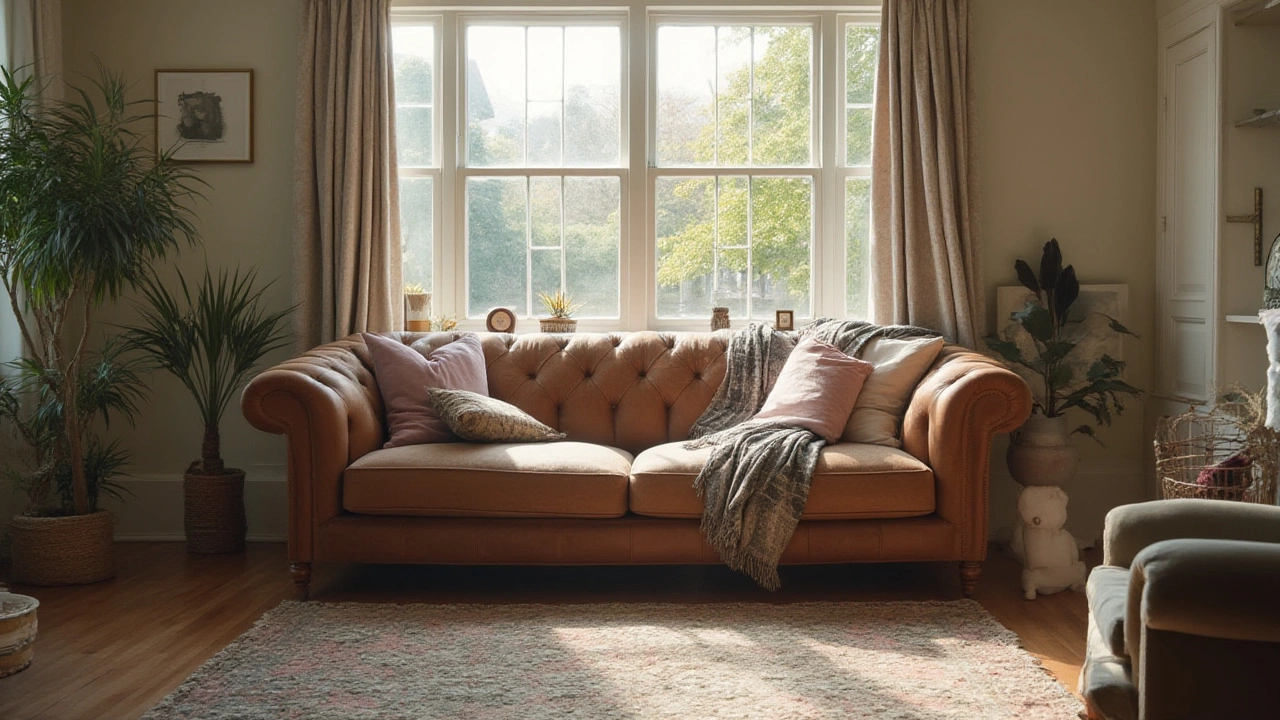
Placing a sofa directly in front of a window can block natural light, making the room feel darker and smaller. It also reduces the chance to enjoy a view while you relax. Conversely, a sofa under a harsh overhead light can create glare on screens or cause eye strain.
Try positioning the couch so the light washes over it from the side. This adds depth and makes the space feel airy. If you must sit near a window, choose sheer curtains to keep privacy while still letting sunshine in.
Mind the Scale of the Room
A massive sectional in a tiny apartment will dominate the space and leave little room for anything else. On the flip side, a tiny loveseat in a large living room can look lost and empty. Scale matters for both comfort and visual harmony.
Match the sofa size to the room’s footprint. A good check is to leave at least a foot of free wall space on each side of the couch. If you have a small room, consider a sleek, low‑back design that doesn’t overwhelm the area.
By keeping these five pitfalls in mind, you’ll turn a mis‑placed sofa into a focal point that enhances flow, comfort, and style. Rearrange, test, and enjoy a living room that works for you and your guests.