Wardrobe Without Doors: Open Storage Ideas & Design Tips
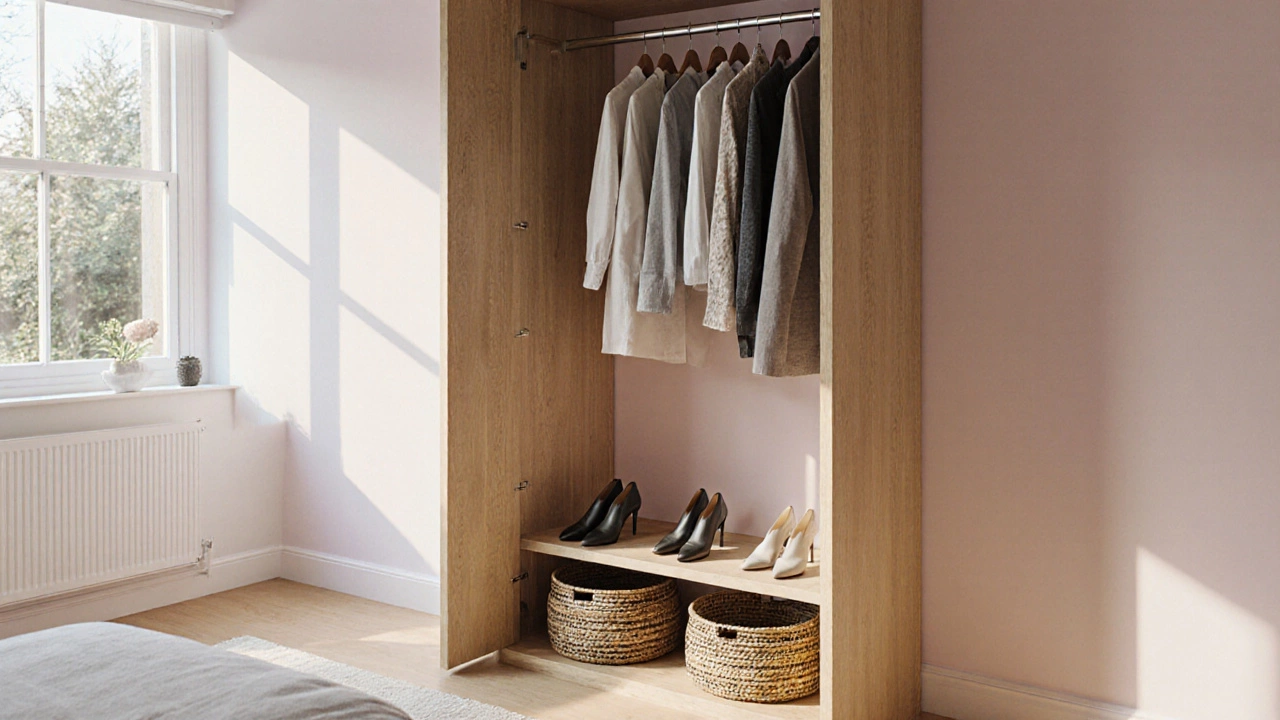
When planning an wardrobe without doors, a door‑less storage unit that displays clothing on open shelves or hanging rods. Also known as an open wardrobe, it blends the function of a traditional wardrobe with the visual appeal of a closet. This concept offers the freedom to see every piece at a glance and works well in modern UK homes where space and style matter. An open wardrobe, the same idea but typically smaller, fits into hallways or boutique bedrooms and often pairs with custom furniture. A closet, a built‑in storage area that may include doors or be fully open influences the layout of a doorless wardrobe by dictating clearances and lighting. The historic Royal Wardrobe, the medieval department that managed royal clothing, shows how large‑scale storage has always needed organization, which today translates into modular shelves and adjustable rods. Finally, an armoire, a free‑standing, often ornate wardrobe provides a decorative alternative that can be re‑purposed as a doorless piece by removing its panels. All these entities connect: a wardrobe without doors encompasses open storage, requires smart carpentry, and is shaped by closet design trends.
Why Choose a Doorless Wardrobe?
Open wardrobes give you instant visual access, which helps you pick outfits faster and keep track of what you own. They also make a room feel larger because there are no solid barriers blocking sight lines. In a UK flat where every square foot counts, a doorless design can double as a room divider, separating a sleeping area from a living space without sacrificing airflow. Because the pieces are exposed, you can add decorative baskets, LED strips, or painted backs to match your interior theme. The lack of doors also means fewer moving parts to maintain, saving you time and money over the life of the furniture. Designers often pair an open wardrobe with complementary pieces like a sleek custom storage solution or a low‑profile dresser to create a cohesive look. When you plan the layout, consider the height of the hanging rod (typically 150 cm for coats, 110 cm for shirts) and the depth of shelving (around 40 cm) to keep clothes from spilling onto the floor. Materials matter too; solid oak or engineered hardwood offers durability while a powder‑coated metal frame gives an industrial edge. By treating the wardrobe as a display, you invite you to curate your own mini‑gallery of outfits.
Below you’ll find a hand‑picked collection of articles that dive deeper into these ideas. From tackling the myth that open storage looks messy, to comparing classic armoire styles with modern doorless units, the posts cover practical design tips, material choices, and real‑world case studies from UK homes. Whether you’re a first‑time homeowner or a seasoned interior enthusiast, these reads will give you actionable insights to turn a simple wardrobe without doors into the centerpiece of your space.