Wall Mounted TV Above Table: Safe Setup, Best Options, and Common Mistakes
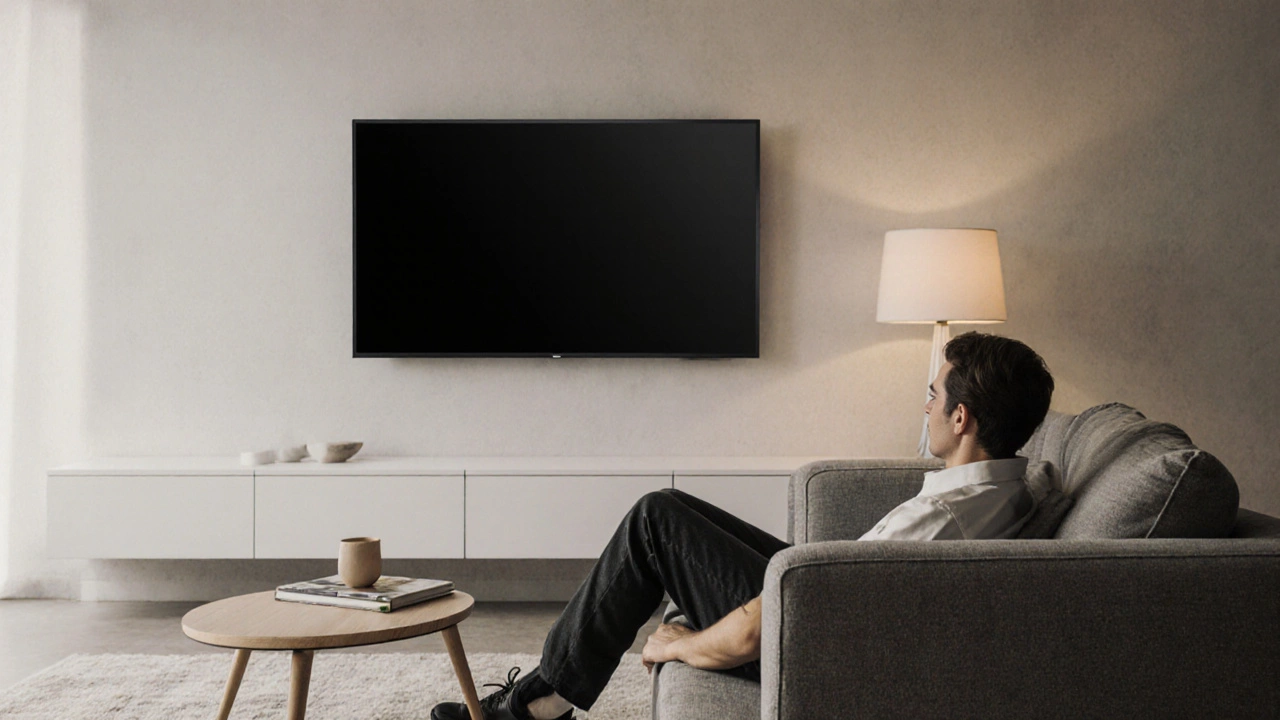
When you mount a wall mounted TV above table, a TV installed on a wall directly over a console, cabinet, or low surface. Also known as TV above console mounting, it’s a popular choice for small spaces where floor space is tight. But it’s not just about saving room—getting the height and angle wrong can turn your viewing experience into a neck ache. Many people assume if the TV fits above the table, it’s fine. But that’s like assuming a chair is comfortable just because it’s the right size. The real issue is eye level.
Most experts agree your TV’s center should be at eye level when seated. For a standard sofa, that’s around 42 inches off the floor. If your table is 18 inches tall and you mount the TV 12 inches above it, you’re putting the center of the screen at 30 inches—way too low. You’ll be looking down, not at the screen. That’s why people end up with sore necks after just 20 minutes of watching. A TV mount, a hardware system that attaches a television to a wall. Also known as TV bracket, it isn’t just about holding weight—it’s about positioning. Look for a tilt or full-motion mount if you’re mounting above a table. It lets you angle the screen up slightly so you’re not staring at the bottom edge.
Another problem? Heat and dust. TVs generate heat, and if you mount one right above a table, that heat rises into the back of the TV. Most modern TVs handle it fine, but older models or poorly ventilated setups can overheat faster. Dust also settles more easily on surfaces below. If your table holds speakers, remotes, or decor, you’re creating a dust trap right under the TV. Clean it often, or consider a TV stand, a piece of furniture designed to hold a television. Also known as entertainment unit, it with open shelving instead—better airflow, less mess.
Weight matters too. A 75-inch TV can weigh over 60 pounds. Not every wall or mount can handle that. Drywall anchors won’t cut it—you need to hit studs. And if you’re mounting above a table that’s not fixed to the floor (like a floating console), make sure the wall behind it is solid. A wobbly table plus a heavy TV? Bad combo. Check the mount’s weight rating. Double-check your wall type. And if you’re unsure, ask a local installer. A few pounds of extra support can save you from a $1,000 disaster.
People also forget about cable management. A TV above a table looks clean only if the wires disappear. Use in-wall conduit, raceways, or clips to hide cords. Don’t let them dangle like spaghetti. It ruins the look and creates a tripping hazard. And if you have kids or pets, make sure the mount is secure enough to resist tugs. A loose TV isn’t just a nuisance—it’s dangerous.
What you’ll find below are real solutions from people who’ve been there. From how to pick the right mount for a 55-inch TV above a 60-inch console, to why some UK homeowners ditched wall mounts entirely and went for low-profile stands instead. You’ll see what works in small living rooms, what fails in sunlit spaces, and how to avoid the mistakes most guides leave out. No fluff. Just what actually helps.