Viewing Distance: How Far Should You Sit for TV, Sofa & Furniture?
Ever wonder if you’re too close to the TV or if your sofa is in the wrong spot? The answer is simple – there’s a sweet spot that makes watching comfortable and keeps your eyes happy. Below you’ll find quick, real‑world guidelines for TV height, screen distance and sofa placement, plus a few tricks to tidy up your living room layout.
TV and Screen Height Basics
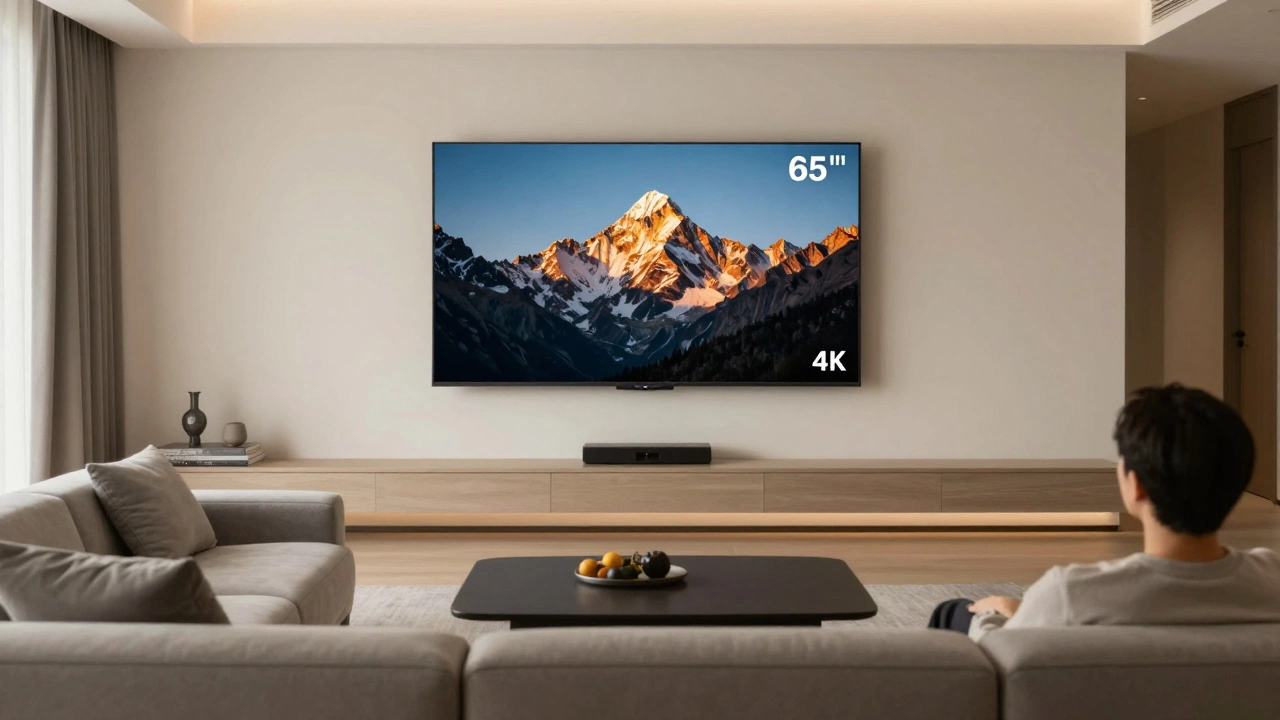
The first rule of thumb is to sit about 1.5 to 2.5 times the diagonal screen size away from the TV. For a 55‑inch screen, that means 7 to 11 feet. If you sit closer, you’ll see pixel structure; farther away and the image looks flat.
Next, set the TV height so the middle of the screen aligns with eye level when you’re seated. Measure from the floor to your eyes – usually 42‑44 inches – and adjust the mount or stand accordingly. A too‑high TV forces you to crane your neck; too low makes the neck bend forward.
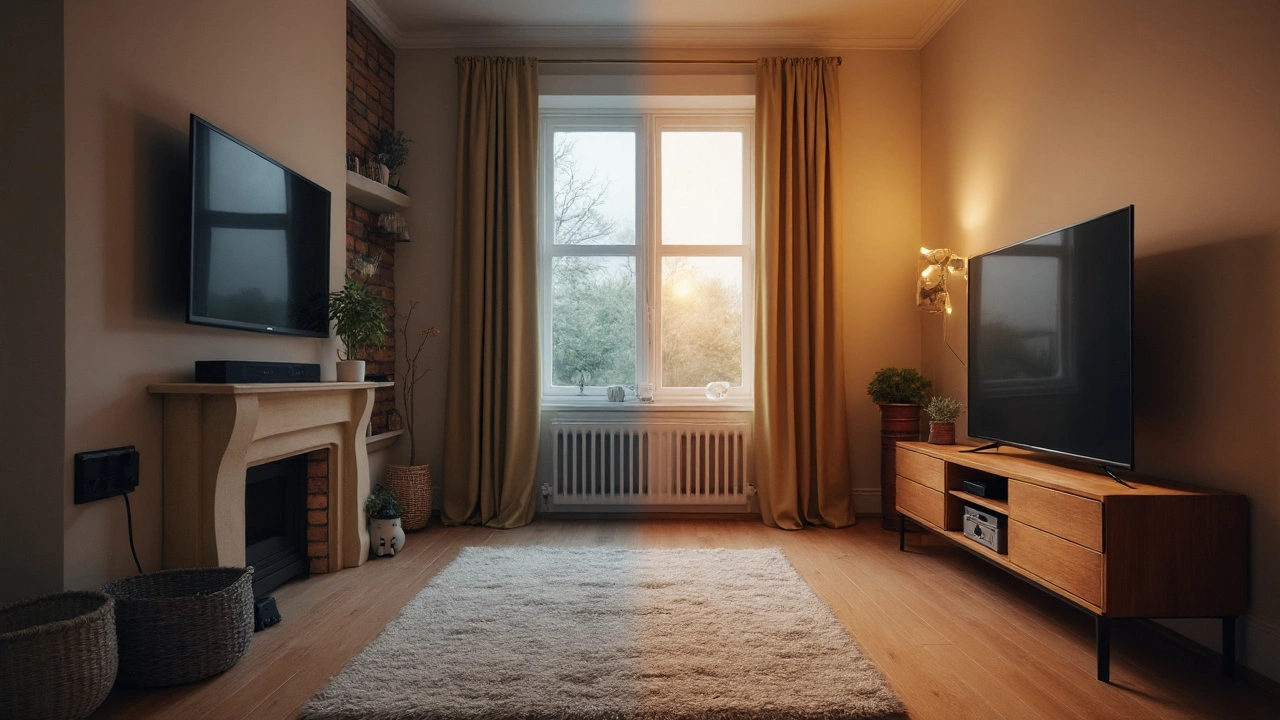
Don’t forget room lighting. Position the TV away from direct windows to cut glare, and use dimmable lamps for movie nights. Simple bias lighting behind the screen can improve contrast without adding cost.
Sofa & Seating Placement
When it comes to sofas, the same distance rule applies. Place the couch so its back is roughly 1.5 to 2.5 screen‑size lengths from the TV. This keeps the view comfortable and helps you avoid neck strain.
If your living room is small, angle the sofa slightly toward the TV instead of forcing a straight‑on view. An angled arrangement widens the viewing cone and clears the path for traffic.
Consider the height of the sofa seat too. A standard seat height of 18‑20 inches works well with most TV heights. If your sofa is higher, lower the TV or add a riser under the couch to keep the line of sight level.
Finally, keep enough space behind the sofa for easy movement. A clearance of at least 30 inches prevents bumping into walls or décor when you get up.
These quick checks – screen distance, eye‑level height, sofa angle and clearance – can turn a cramped living room into a comfortable viewing zone. No need for expensive tech; just a ruler, a tape measure and a bit of common sense.
Want to tweak the setup further? Try a free app that calculates ideal viewing distance based on your TV model. Test different positions, sit back, and see which one feels most natural. Remember, the goal is to enjoy movies, games and shows without strain.
By applying these straightforward guidelines, you’ll get a layout that looks good, feels right, and protects your eyes. So grab your measuring tape and start adjusting – your couch and TV will thank you.