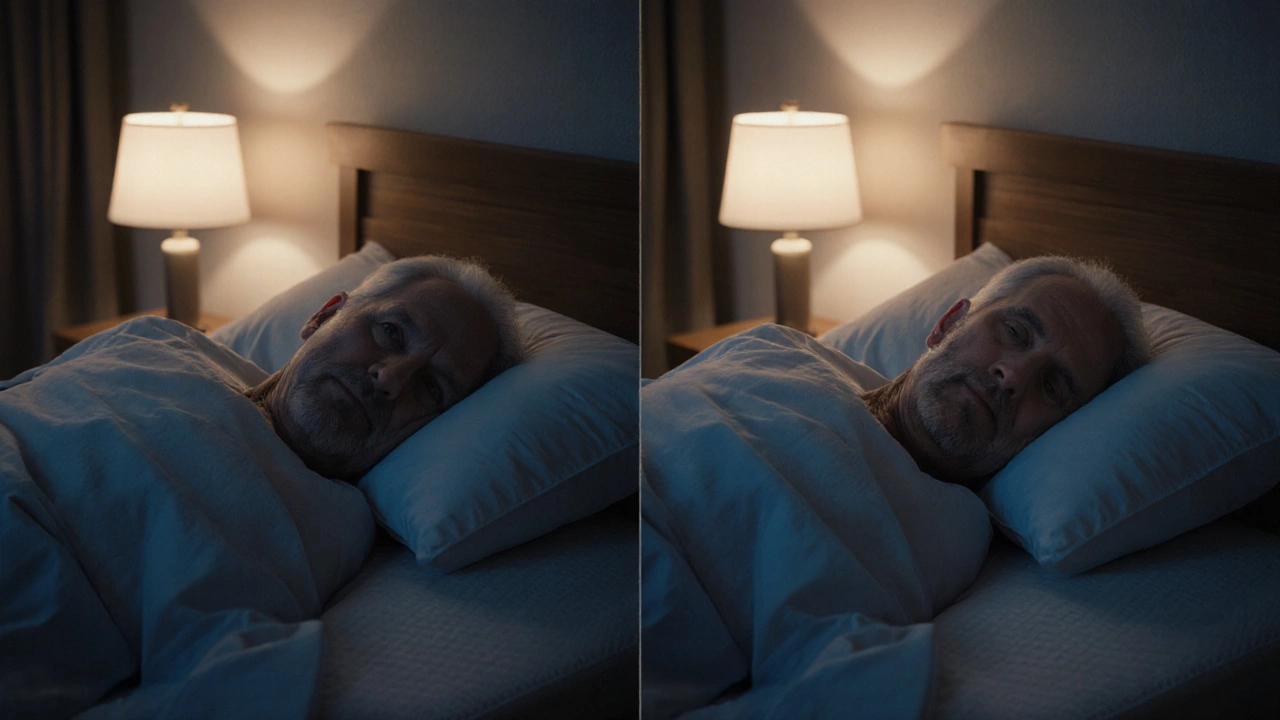
Unsafe Bed Positions for Seniors – Stay Safe While Sleeping
When talking about unsafe bed positions seniors, the term refers to any sleeping arrangement that increases the likelihood of falls, back pain, or restricted movement for older adults. Also known as dangerous sleeping setups for older adults, this issue directly ties into senior safety, the practice of designing homes and routines to prevent injuries among the elderly and bedroom ergonomics, the study of how furniture layout and accessories affect comfort and mobility in the sleeping area. Understanding these concepts helps you spot hidden hazards before they cause real problems.
First off, unsafe bed positions seniors aren’t just an inconvenience—they’re a major health risk. An unsafe setup encompasses things like a mattress that’s too soft, a headboard that’s too high, or a bed that’s placed too close to a wall. It requires proper mattress support and adequate clearance to let the sleeper get in and out safely. When senior safety influences the way you arrange night‑stands and lighting, you reduce the chance of stumbling in the dark. In short, the right bed arrangement can prevent falls, improve sleep quality, and protect the spine.
Key Factors Behind Unsafe Bed Setups
One of the biggest culprits is an overly soft mattress. Older adults often need firmer support to keep their spine aligned, especially if they suffer from arthritis or osteoporosis. Another red flag is a headboard that’s too low or angled backward—it can trap a person’s head or make it hard to sit up. Bed rails are a double‑edged sword: they’re great for preventing falls, but if they’re placed too high they become a choking hazard. Finally, clutter around the bed—clothes, shoes, or loose cords—creates tripping points that turn a simple reach for a glass of water into a dangerous tumble.
Bedroom ergonomics also play a big role. Position the bed so there’s at least a foot of clear space on both sides; this gives enough room for a walking aid if needed. Keep night‑stands low and sturdy, and use a lamp with a reachable switch to avoid bending over. Light levels matter, too—a dim hallway can hide steps, while a softly lit bedside area lets seniors see their surroundings without harsh glare. These adjustments enable safer movement and support independent living.
Assessing your current setup is easier than you think. Start by watching how the senior gets in and out of bed. Do they have to twist or stretch? Is the mattress sagging under weight? Check the distance to the nearest door or bathroom—ideally it should be a short, obstacle‑free walk. Test the stability of railings and night‑stand drawers; they should stay put when pulled. By noting each of these details, you can prioritize the most urgent fixes and plan a step‑by‑step improvement.
Practical fixes are often low‑cost but high‑impact. Adding a firm mattress topper can boost support without a full mattress replacement. Installing a low, horizontal headboard reduces the risk of head entrapment. Use non‑slip pads under furniture to keep everything steady, and secure loose cords with zip ties or cable covers. If space allows, a small bench beside the bed gives a safe place to sit while putting on shoes. These small tweaks lead to big gains in safety and comfort.
Now that you know why unsafe bed positions are a problem and how to tackle them, you’ll find plenty of tips, product recommendations, and detailed guides in the articles below. From choosing the right mattress firmness to arranging bedroom furniture for fall prevention, the collection offers actionable insights you can apply right away. Dive in and start making your senior’s sleeping space safer today.