TV Stand Size Guide
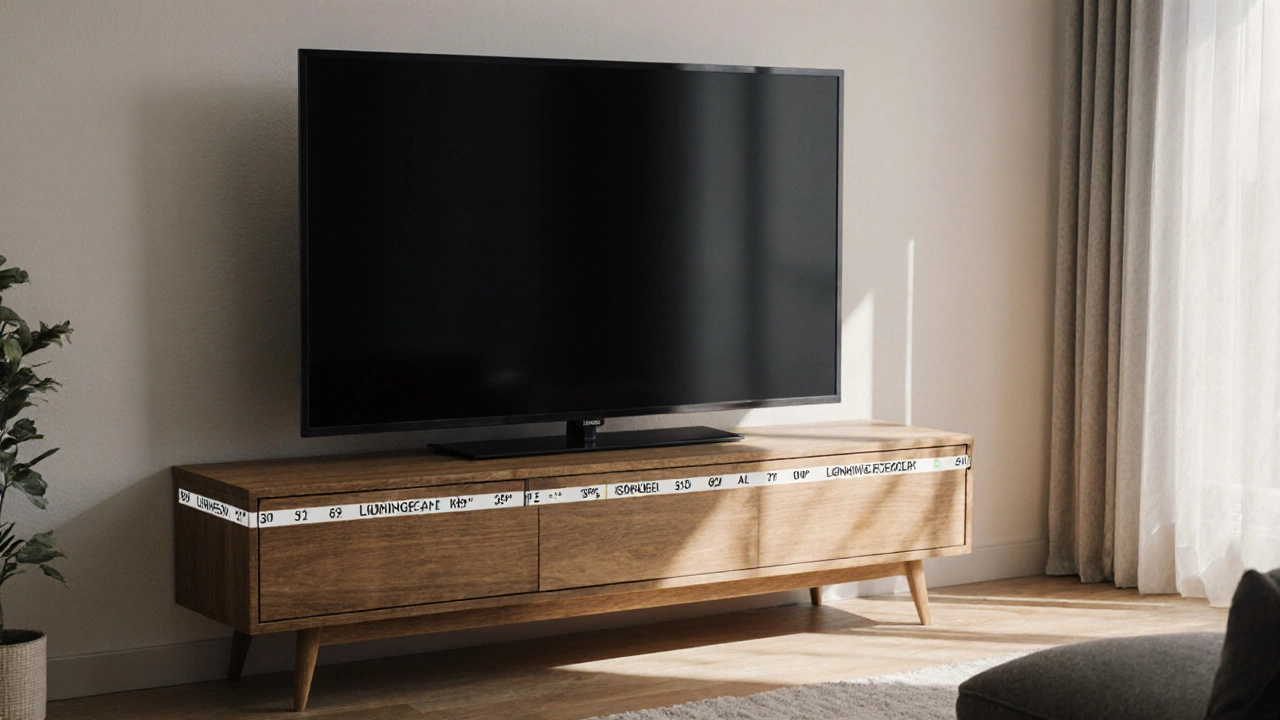
When you start planning a TV stand size guide, a resource that helps you match a stand’s dimensions to your TV, room size, and viewing habits. Also known as TV cabinet size guide, it serves as the backbone for a tidy living area. TV stand size matters because a stand that’s too small looks awkward, while one that’s too big hogs floor space. The guide encompasses key attributes like width, height, depth, and weight capacity, and it requires solid space‑planning basics. For example, if your TV is 55 inches, a stand around 48‑55 inches wide usually keeps the screen centered and looks balanced. At the same time, the stand’s depth should be at least a few inches wider than the TV’s base to avoid wobble. TV wall mount, a hardware solution that secures a television to the wall, often reducing the need for a large stand. Also called wall‑mount, it changes the equation by letting you keep floor space free and focus on height rather than width. TV placement, the optimal spot for a screen considering glare, sight lines, and ergonomics, influences how far the stand must be from the seating area and whether a mount is wiser. A well‑chosen placement influences the stand’s height, because eye‑level viewing reduces neck strain. Finally, living room layout, the overall arrangement of furniture, traffic flow, and focal points in a room ties everything together; a cramped layout may force you toward a slimmer, taller stand or a wall mount, while an open plan gives you the luxury of a broader console for media storage.
Key Factors to Measure Before Buying
Start with the TV’s width and depth. Measure the screen from edge to edge, then add a couple of inches on each side for a balanced look. Next, check the height of the TV stand; the screen’s center should sit about 42‑45 inches from the floor for most viewers, but adjust if your sofa cushions are particularly low or high. Don’t forget to record the room’s width between the TV wall and the opposite furniture – this tells you how much clearance you need for cables, ventilation, and visual breathing room. If you plan to use a TV wall mount, measure the VESA pattern on the back of the TV and confirm the mount’s load rating; these details prevent a mishap later on. Also, think about the stand’s load capacity – a sturdy piece can support a heavier TV and any additional components like soundbars or gaming consoles. Finally, look at your living room layout for traffic pathways; you don’t want a stand that blocks the flow or forces a cramped seating arrangement.
Armed with these measurements, you can compare stand options quickly. Most retailers list width, height, depth, and weight limits right on the product page, so match those numbers to your notes. If a stand’s width falls short of your TV’s, you risk an off‑center look; if it’s too wide, you may end up with wasted floor space. When a wall mount is on the table, ask yourself whether you need a low‑profile console for media gear or a simple riser to lift the TV to eye level. The TV placement you choose will also guide cable management choices – a stand with built‑in cable holes keeps things tidy, while a mount often needs external covers. By aligning the TV stand size guide with your room’s layout, TV wall mount decision, and placement preferences, you’ll end up with a setup that looks intentional and works smoothly. Below, you’ll find articles that dive deeper into each of these topics, from detailed dimension charts to real‑world placement case studies, giving you all the tools you need to pick the perfect stand or mount for your home.