Best TV Position Tips – How to Set Up Your Screen for Comfort and Style
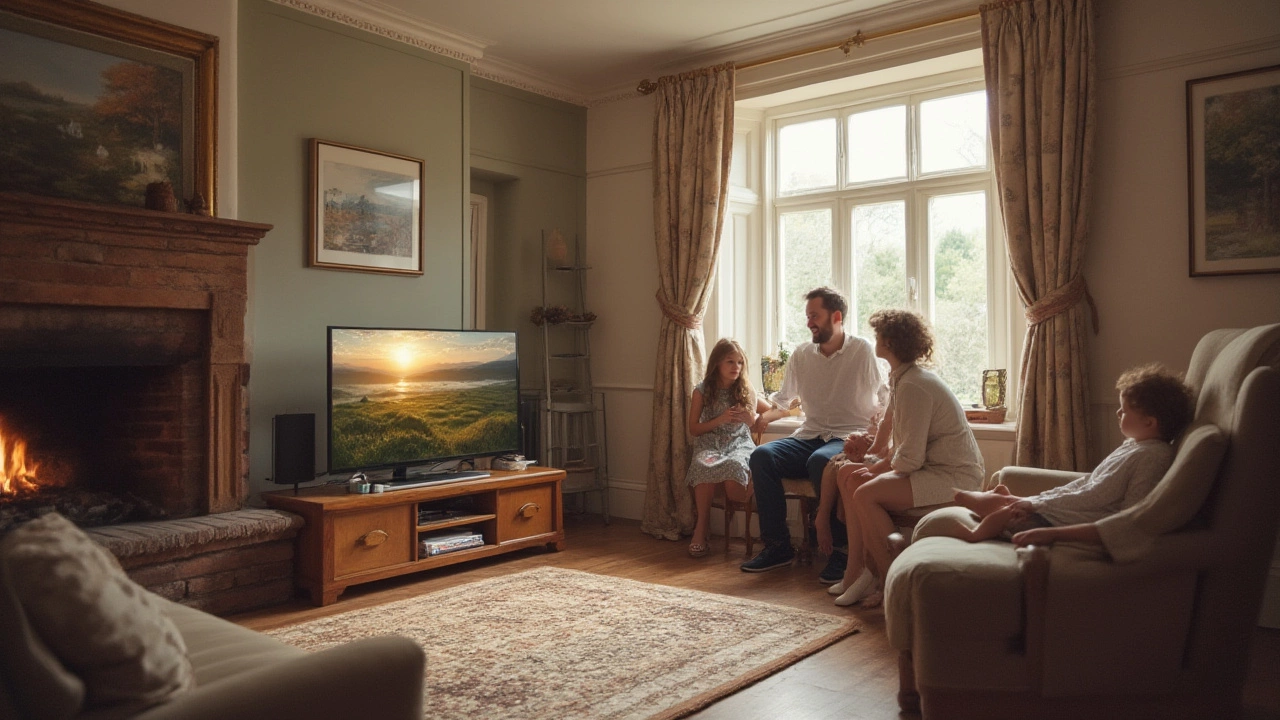
Putting a TV in the right spot makes movie night feel like a theater and everyday watching more relaxing. The first thing to check is how far you sit from the screen. A good rule is to sit at a distance that’s about 1.5 to 2.5 times the screen’s diagonal. For a 55‑inch TV, that’s roughly 7 to 11 feet. If the room is smaller, move the TV a little closer; if it’s larger, step back a bit.
Height Matters – Eye Level is Key
Most people feel best when the TV’s center is at eye level when they’re seated. Measure from the floor to the seat’s eye line, then add half the TV’s height. For a 55‑inch TV that’s about 27 inches tall, the middle sits around 1.4 m (55 inches) from the floor. Mount the screen so the middle matches that number. If you prefer a wall mount, use a tilting bracket that lets you angle the screen down a little.
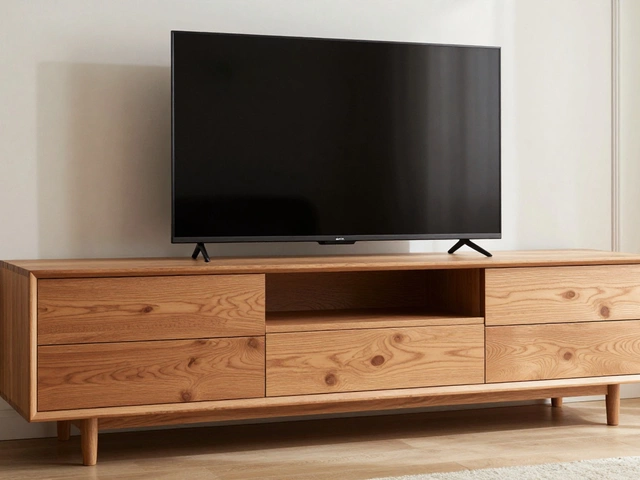
When you use a TV stand, pick a piece that puts the screen close to eye level. A low stand or a console with adjustable shelves works well. Avoid putting the TV too low – you’ll end up looking up or down, which strains the neck.
Wall Mount vs. Stand – Which Fits Your Space?
A wall mount saves floor space and gives a clean look. It’s great for rooms where you want a sleek vibe or need to keep pathways clear. Just make sure the wall can hold the TV’s weight and that you choose the right VESA pattern. If you rent or move often, a sturdy TV stand is easier to install and move.
Think about the room’s layout. In a living room, the TV often becomes the focal point, so placing it opposite the main sofa makes sense. In a bedroom, you might want a smaller screen or a low‑profile stand that doesn’t dominate the space. Some people even mount the TV on a swivel arm so they can watch from the bed and the desk.
Don’t forget lighting. Glare from windows or lamps can ruin the picture. Position the TV so the brightest light hits the wall behind it, not the screen. If you can’t avoid glare, use curtains, blinds, or an anti‑glare screen protector.
Finally, check the cables. A clean setup hides power and HDMI cords. Use cable covers, in‑wall kits, or a TV console with built‑in channels. This not only looks nicer but also reduces tripping hazards.
The TV’s position also affects sound. If you use a soundbar, place it directly below the screen and keep it centered. For surround speakers, position them at ear level when seated and avoid placing them too close to walls, which can cause echoes.
Safety is a must, especially with wall mounts. Use a stud finder to locate wall studs and anchor the mount securely. If you have children, consider a tilt‑lock feature that keeps the TV from being knocked over.
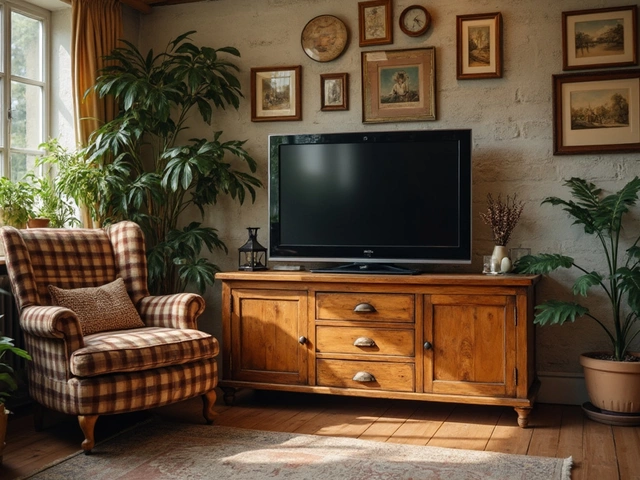
Aesthetically, think about the surrounding décor. A TV framed with a simple wooden panel or a slim beaded board can blend into the room’s style. If the TV is the main feature, keep the wall behind it plain and let the screen shine.
In short, the right TV position balances comfort, picture quality, sound, safety, and style. With a few measurements and a bit of planning, you can turn any space into a home‑theater‑ready zone.