TV Glare Solutions
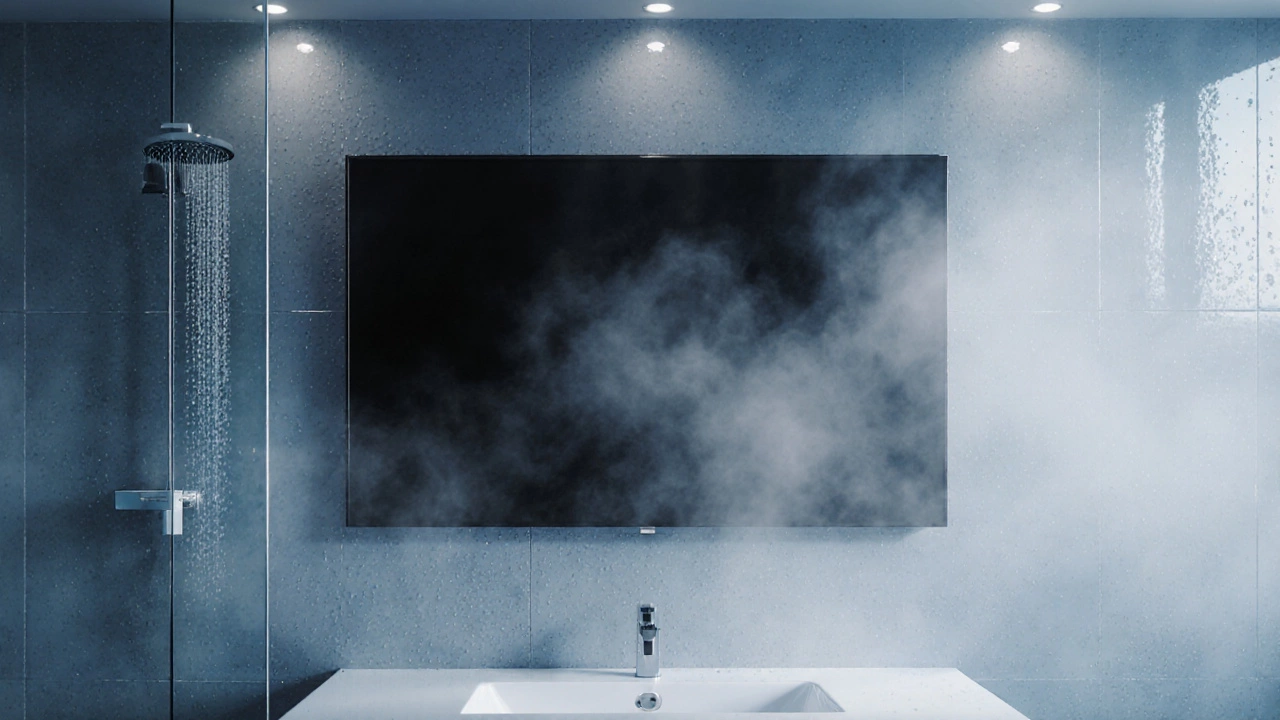
When tackling TV glare solutions, methods that reduce or eliminate unwanted screen reflections. Also known as anti‑glare TV setups, they combine several tactics to make watching comfortable. One key player is TV wall mount, a mounting system that lets you tilt and swivel the screen, which directly influences glare by changing the viewing angle. Another essential tool is anti‑glare film, a thin, light‑filtering layer applied to the display surface that diffuses bright spots. Proper room lighting, the arrangement and intensity of light sources in the viewing area also plays a vital role, because balanced illumination reduces contrast between the screen and its surroundings. Finally, TV placement, the position of the television relative to windows and other light sources determines how much natural light hits the screen in the first place. Together, these elements form a practical toolkit that anyone can use to enjoy a clearer picture without eye strain.
Key Elements of TV Glare Control
The easiest win is adjusting room lighting. Swap harsh overhead bulbs for dimmable LEDs, and add floor or table lamps with shields that direct light away from the screen. If you have large windows, consider sheer curtains or motorised blinds that let you fine‑tune daylight without darkening the room completely. In many cases, a simple repositioning of a lamp can cut glare by half. Next, look at your TV wall mount again: a tilt angle of about 10‑15 degrees often moves the reflective surface out of the line of sight for most viewers. Swivel mounts add the flexibility to angle the screen toward a couch while keeping it away from a sunny wall. For those who can’t mount the TV, a sturdy stand with an adjustable tilt feature can still make a big difference. If light control and mounting aren’t enough, an anti‑glare film is a low‑cost after‑market solution. These films come in matte finishes that scatter incoming light, reducing hot spots without noticeably dimming the picture. Installation is straightforward: clean the screen, align the film, and use a squeegee to smooth out bubbles. Many brands guarantee a loss of less than 5% brightness, which is a fair trade for a glare‑free view. For high‑end setups, you might opt for a professional‑grade film that also offers UV protection, extending the life of your display. Lastly, think about TV placement. Position the TV so the brightest windows are to the side or behind you rather than in front. If you must place it opposite a window, use blinds that can be angled to direct light upward. Keep the TV at eye level – this not only improves ergonomics but also helps you spot glare early and adjust as needed. In open‑plan homes, creating a dedicated viewing zone with a rug, side tables, and controlled lighting can isolate the TV from stray light sources, making any remaining glare far less noticeable.
By combining smart lighting, a flexible wall mount, a quality anti‑glare film, and careful placement, you can turn a glossy, reflective screen into a comfortable, eye‑friendly centerpiece. Below you’ll find a curated set of articles that dive deeper into each of these strategies, from choosing the right mount to DIY film application tips, so you can pick the exact solution that fits your space and budget.