Couch Color Recommendation Tool
Our Recommendation:
Key Takeaways for Your Color Search
- Earth tones are dominating the current scene, specifically deep greens and warm terracottas.
- Neutral bases like oat and greige remain the safest bet for long-term resale value and versatility.
- Texture matters as much as color; a boucle fabric changes how a white sofa looks and feels.
- Bold jewel tones work best as statement pieces in rooms with minimal decor.
The Shift Toward Earthy Comfort
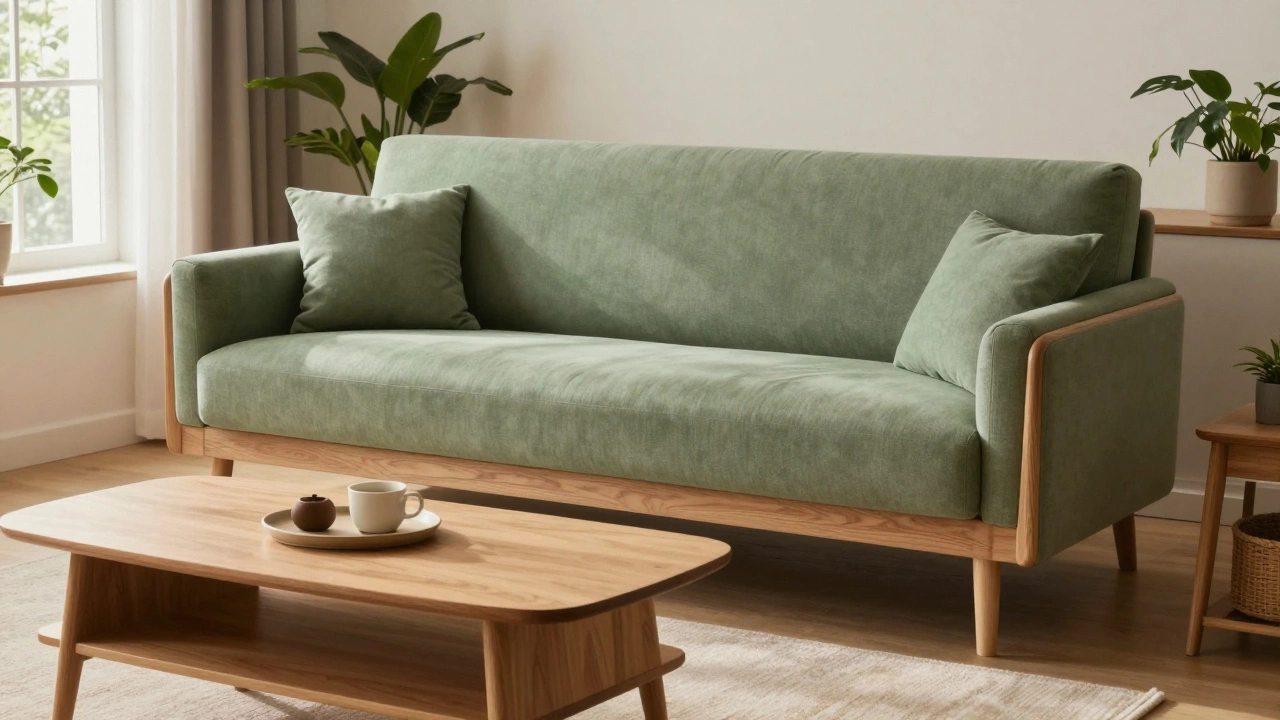
We've moved past the era of the 'everything grey' living room. While charcoal and light grey dominated the last decade, 2024 is all about warmth. People are craving a connection to nature, which is why Sage Green is a muted, earthy hue that blends grey and green, acting as a "new neutral" in modern interior design . It’s calming, hides a bit of dust, and looks incredible paired with light oak or walnut wood finishes.
Then there is the rise of warm clay and terracotta. These colors bring an organic, Mediterranean vibe into the home. If you have a room with lots of natural light, a rust-colored sofa becomes a focal point without feeling overwhelming. It’s a great way to add warmth to a space that feels too cold or clinical. Unlike a bright red, these muted oranges feel grounded and sophisticated.
Safe Havens: The Power of New Neutrals
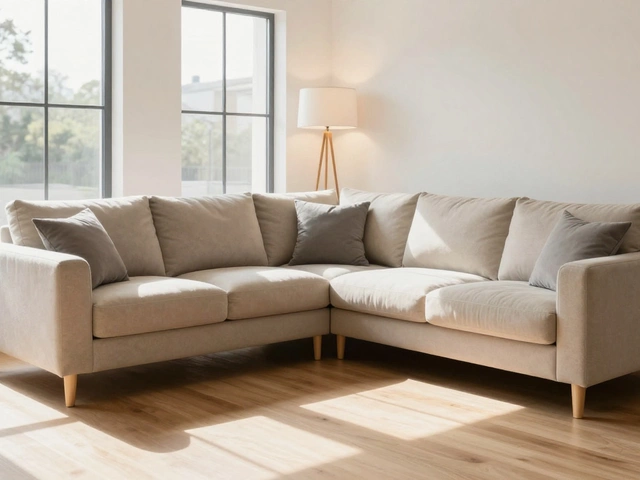
If the thought of a green couch makes you nervous, you're probably leaning toward the neutrals. But here is the secret: the 'white' couch of 2024 isn't actually white. We are seeing a massive surge in Oatmeal, a warm, creamy off-white with subtle beige undertones that prevent a room from looking too stark . It's much more forgiving than a pure stark white and feels softer to the eye.
Then we have 'greige'-that perfect marriage of grey and beige. It’s the ultimate chameleon color. Whether your walls are cool blue or warm tan, a greige sofa usually fits right in. It gives you the clean, modern look of a grey sofa but without the cold, industrial feel that makes some living rooms feel like an office. For those who want a best couch colors 2024 strategy that is virtually foolproof, staying in this warm-neutral family is the way to go.
| Color Family | Vibe | Best For... | Maintenance Level |
|---|---|---|---|
| Warm Neutrals (Oat, Greige) | Airy, Timeless | Small rooms, high resale value | High (shows spills) |
| Earth Tones (Sage, Olive) | Calm, Organic | Nature-inspired themes, cozy dens | Medium (hides light dust) |
| Jewel Tones (Navy, Emerald) | Luxurious, Bold | Large rooms, formal sitting areas | Low (hides stains well) |
| Deep Basics (Charcoal, Navy) | Sturdy, Classic | Families with kids and pets | Very Low |
Bold Moves: When to Go Vibrant
Sometimes, a neutral couch is just boring. If the rest of your room is white or beige, a Navy Blue sofa is a brilliant move. Navy is a deep, saturated blue that serves as a versatile anchor for almost any accent color . It’s essentially the 'black' of the furniture world-it goes with everything, but it has more personality. It’s also an absolute lifesaver for parents; a dark blue fabric hides a surprising amount of daily wear and tear.
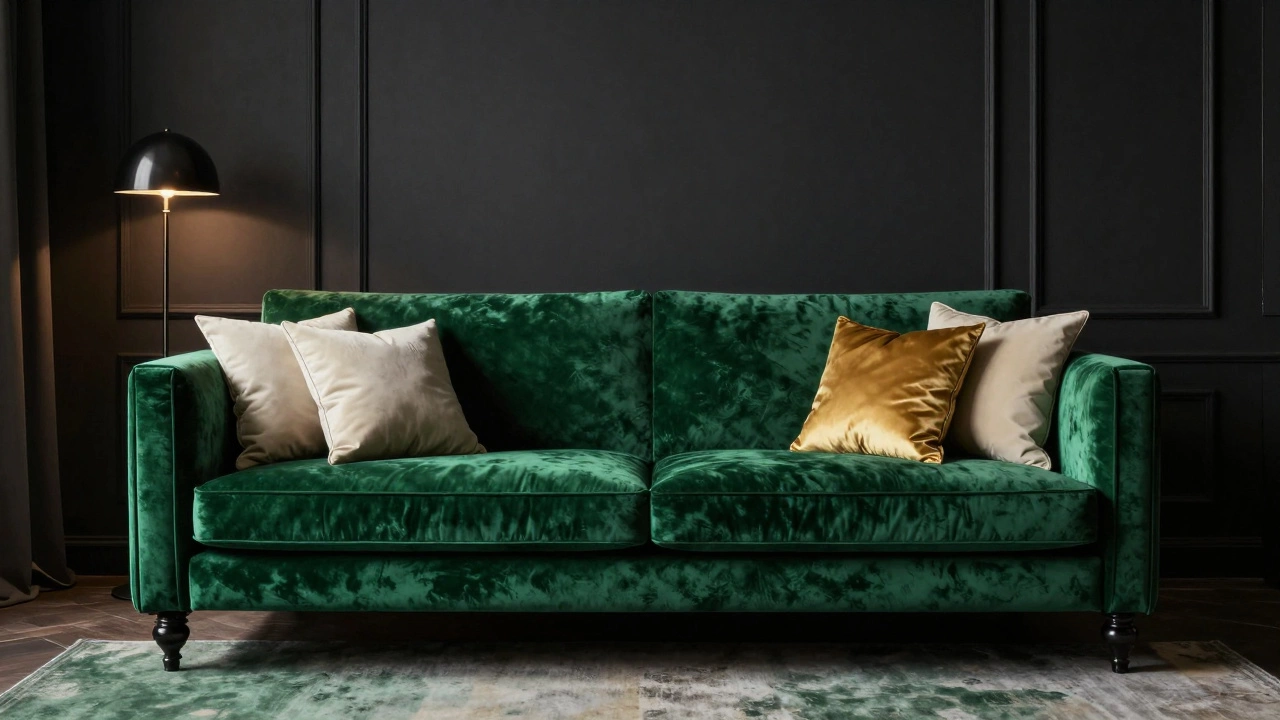
For those who want a real statement, emerald green or deep plum are making a comeback. These are 'moody' colors. They work best in rooms with darker walls or velvet textures, creating a cocoon-like feeling. The key here is the 60-30-10 rule of interior design: 60% dominant color (walls), 30% secondary color (the couch), and 10% accent color (pillows/art). If your couch is a bold emerald, keep your pillows in the neutral or gold family to avoid making the room look like a jungle.
Fabric Choice: The Secret Ingredient
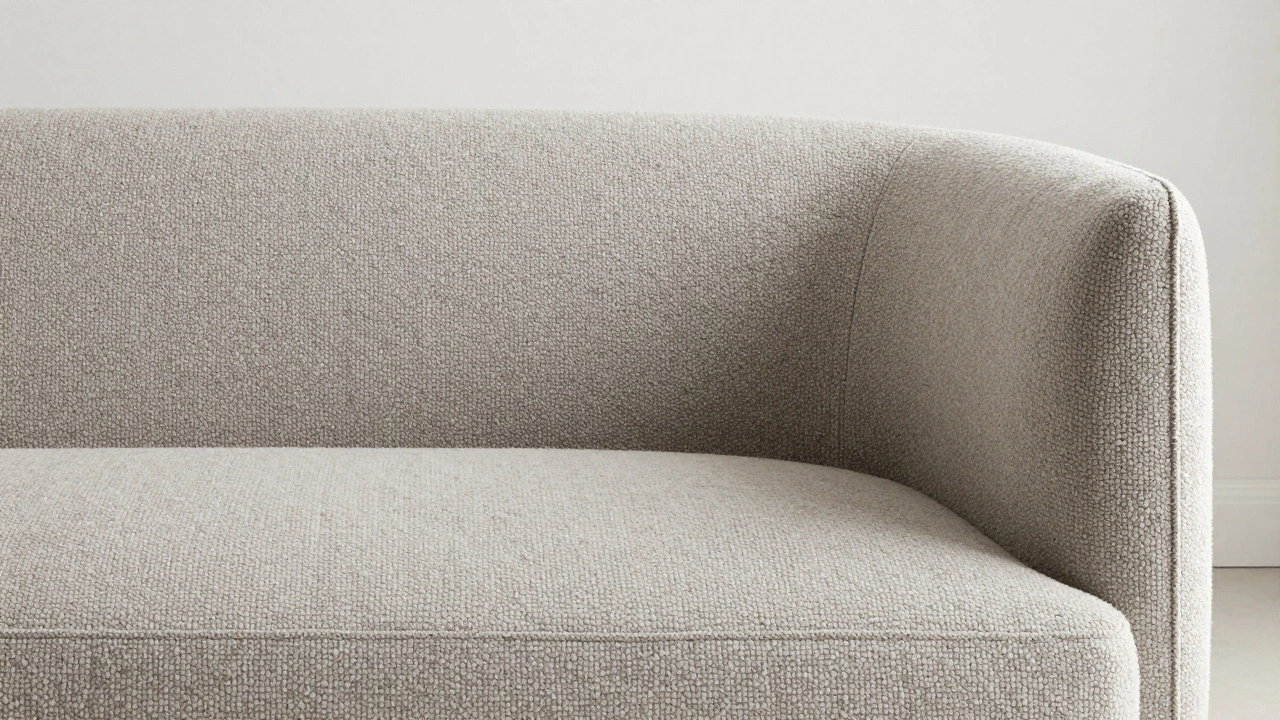
You can't talk about color without talking about material. A color looks completely different on linen than it does on velvet. For example, a light grey in Bouclé- a knotted, looped yarn fabric that creates a nubby, textured appearance -looks high-end and architectural. The same grey in a flat polyester weave can look a bit cheap or dated.
If you're choosing a light color, look for Performance Fabric. Textiles treated with a water- and stain-repellent coating, often made from solution-dyed acrylics . This technology allows you to actually have that white or cream couch without living in fear of a glass of red wine. It makes the 'impossible' colors possible for people with dogs or toddlers.
Matching Your Couch to Your Space
Before you hit the 'buy' button, look at your lighting. A navy couch in a room with no windows can make the space feel like a cave. Conversely, a bright white couch in a room with massive south-facing windows can actually be blinding. If you have low light, stick to mid-tones-things like sage or warm grey-that don't absorb all the light in the room.
Consider your flooring too. If you have dark hardwood floors, a dark brown or charcoal couch can blend in too much, making the room feel heavy. Adding a contrast-like a light beige couch on dark floors-creates a visual 'pop' that makes the furniture look like a curated choice rather than an afterthought. If you have light carpets, a deeper jewel tone provides the necessary weight to anchor the room.
What is the safest couch color for pets and kids?
Mid-to-dark tones are your best friend here. Navy blue, charcoal grey, and olive green are excellent because they camouflage pet hair and small stains. Avoid stark white or very light beige unless you are investing in high-end performance fabrics that can be scrubbed with soap and water without leaving rings.
Do light-colored couches actually go out of style?
Not at all. Neutrals like cream, oat, and light grey are timeless. The only thing that changes is the 'temperature' of the neutral. We've shifted from 'cool' greys (which can feel a bit sterile) to 'warm' neutrals (which feel cozier). If you buy a warm off-white, it will look great ten years from now.
How do I pick a couch color if I change my decor often?
Stick to a neutral base. A greige or light grey sofa is a blank canvas. You can change the entire vibe of your room just by swapping out the throw pillows and blankets. If you have a navy couch, you're slightly more limited, but it still pairs well with yellows, whites, and most greens.
Are jewel tones like emerald green too risky for a main sofa?
Only if the rest of your room is also very loud. A jewel-toned couch works beautifully if your walls are a neutral white, cream, or light grey. It acts as a piece of art. If you're worried, start with a smaller accent chair in that color before committing to a full sectional.
What colors make a small living room look bigger?
Lighter colors are the way to go. Whites, creams, and light greys reflect more light, which tricks the eye into seeing more space. If you want some color, go for a very pale sage or a light blue. Avoid dark, heavy colors like black or chocolate brown, which can 'shrink' the room visually.
Final Tips for Your Purchase
One last piece of advice: never trust the showroom lighting. Those stores use powerful, calibrated spotlights that make every fabric look amazing. Always ask for a fabric swatch and take it home. Look at it in the morning light and again at night under your own lamps. A 'perfect' grey in the store can sometimes look surprisingly purple or blue once it's sitting in your actual living room.
If you're still torn, remember that you can't permanently change the couch color, but you can change everything around it. When in doubt, go slightly more neutral than you think you want. You can always add a wild, colorful throw blanket to satisfy your craving for color, but you can't easily remove the 'boldness' of a bright orange sofa if you wake up one day and hate it.