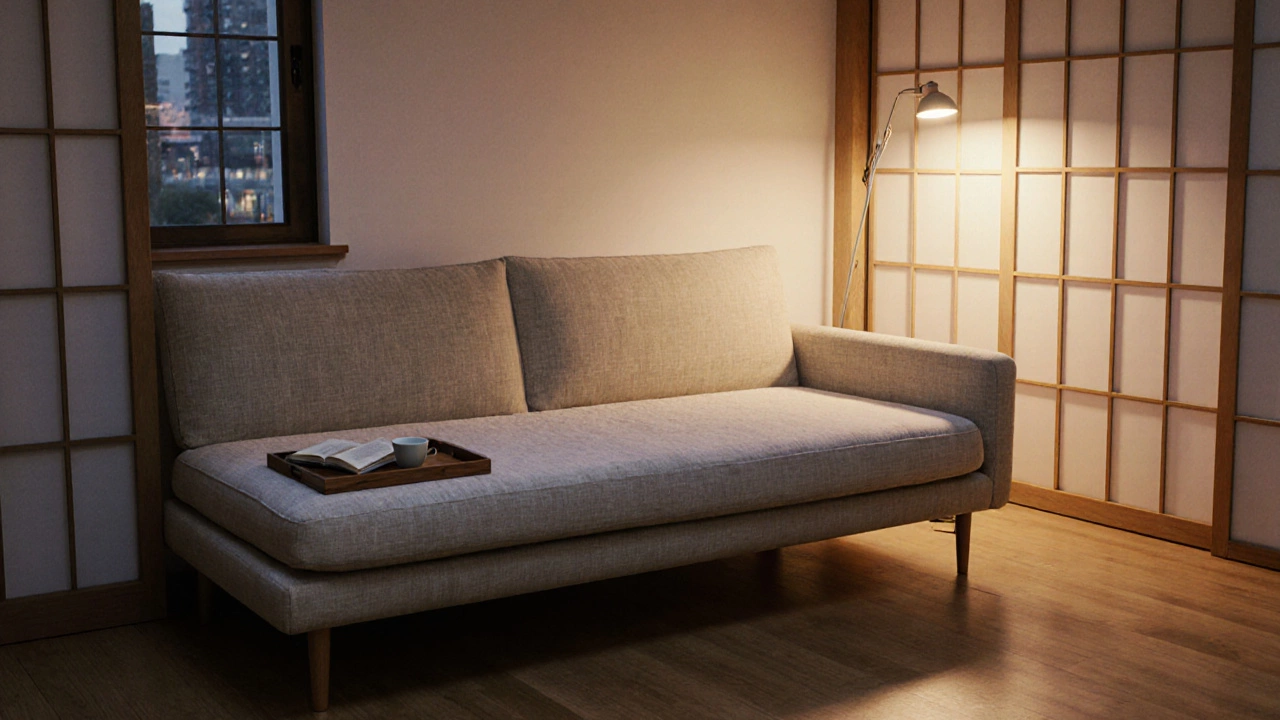
Tatami Mattress: What It Is, Why It Matters, and How It Fits Into Japanese and Modern Homes
When you think of a tatami mattress, a thick, woven rice straw base topped with a cushioned layer used for sleeping on the floor in traditional Japanese homes. Also known as futon mattress, it’s not just bedding—it’s part of a whole way of living that values simplicity, space, and connection to the floor. Unlike Western beds that lift you off the ground, a tatami mattress sits low, letting you wake up close to the earth. It’s firm, breathable, and designed to be rolled up and stored during the day—freeing up room for sitting, eating, or moving around. This isn’t just a mattress; it’s a lifestyle tool.
People who use tatami mats, the traditional woven straw flooring panels that form the base for tatami mattresses in Japanese rooms often pair them with thin, removable cushions called futon mattresses, the padded sleeping layers placed directly on tatami flooring. Together, they create a bed that disappears when not in use. This system works because Japanese homes traditionally have less square footage—and more flexibility. The same room becomes a bedroom at night and a living room by morning. You don’t need a bulky frame, a box spring, or even a headboard. Just a clean floor, a good mat, and a little discipline.
Why does this matter now? Because modern homes are getting smaller. Cities are crowded. People are tired of clutter. The tatami mattress isn’t a gimmick—it’s a smart solution for tiny apartments, guest rooms, or anyone who wants to sleep without a bed frame. It’s also naturally cool in summer and warm in winter, thanks to the rice straw core. No memory foam, no springs, no off-gassing chemicals. Just natural materials that breathe. And while it might feel too firm at first, many users say their back pain fades after a few weeks. It’s not for everyone, but if you’ve ever woken up stiff from a too-soft mattress, this might be the reset you didn’t know you needed.
You’ll find these in traditional Japanese homes, yes—but also in Scandinavian studios, Berlin lofts, and minimalist homes across the UK. The trend isn’t about copying Japan. It’s about borrowing what works: less stuff, more space, better sleep. The posts below cover everything from how to care for a tatami mattress to how it compares to foam futons, whether it’s good for seniors, and why some people swear by it while others can’t sleep on it. Whether you’re curious, skeptical, or ready to try it, you’ll find real talk here—not marketing fluff.