Spinal Alignment Made Simple: Furniture Picks That Keep Your Back Happy
Ever notice that sore back after a long night on the couch? Chances are your furniture isn’t doing you any favors. The good news? You can fix it without buying a brand‑new set of heels. Just pick pieces that support a neutral spine, and you’ll feel the difference right away.
Why Sofa Shape and Cushion Matter
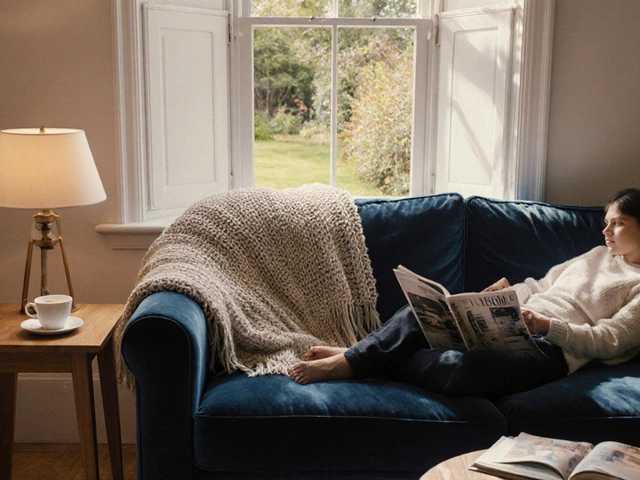
A soft, deep‑seat sofa feels great at first, but if it lets you sink too far, your spine rounds up and the muscles get overworked. Look for a sofa with firm, supportive cushions and a seat height that lets your feet rest flat on the floor. The ideal seat depth is about 18‑20 inches – deep enough to lounge, short enough to keep your knees at a right angle.
Backrests should follow the natural curve of your spine. A lumbar‑support pillow or a built‑in bump in the middle of the backrest helps keep the lower back in its neutral position. If you love reclining, choose a model that tilts gradually and locks at a 100‑110 degree angle. Anything steeper forces you to hunch, which can lead to chronic pain.
Choosing the Right Chair and Desk Setup
Office chairs get a lot of blame, but most of the time the problem is the height or lack of adjustability. Your chair’s seat height should let your feet rest flat, knees at 90 degrees, and hips slightly lower than your shoulders. Adjustable armrests keep your shoulders relaxed, while a lumbar pad supports the small of your back.
When it comes to desks, keep the monitor at eye level and the keyboard close enough that your elbows stay near a 90‑degree angle. If you can’t raise the desk, a simple monitor riser does the trick. Remember, even short breaks to stand or stretch make a huge difference for spinal health.
Finally, don’t forget the bedroom. A mattress that’s too soft lets the spine sag, while one that’s too firm creates pressure points. Most experts recommend a medium‑firm mattress with a supportive base. Pair it with a pillow that keeps your neck aligned – roughly the height of your shoulder when you lie on your side.
Bottom line: your furniture choices directly affect how your spine lines up each day. Pick firm, well‑structured pieces, adjust them to fit your body, and you’ll notice less ache and more comfort. Your back will thank you, and you’ll enjoy your space without the constant need for a back rub.