Sofa Quality: What Makes a Sofa Last and Feel Right
When you buy a sofa quality, how well a sofa is built and how long it lasts based on materials, construction, and design. Also known as furniture durability, it’s not about price tags—it’s about what’s inside. A cheap sofa might look nice for a few months, but if the frame is made of particleboard or the cushions are low-density foam, it’ll sag, creak, and fall apart fast. Real sofa quality starts with the frame—hardwood like kiln-dried oak or maple is the gold standard. Softwood or metal frames can warp or rust over time, especially in humid climates. You won’t see this when you’re sitting in the store, but you’ll feel it in six months.
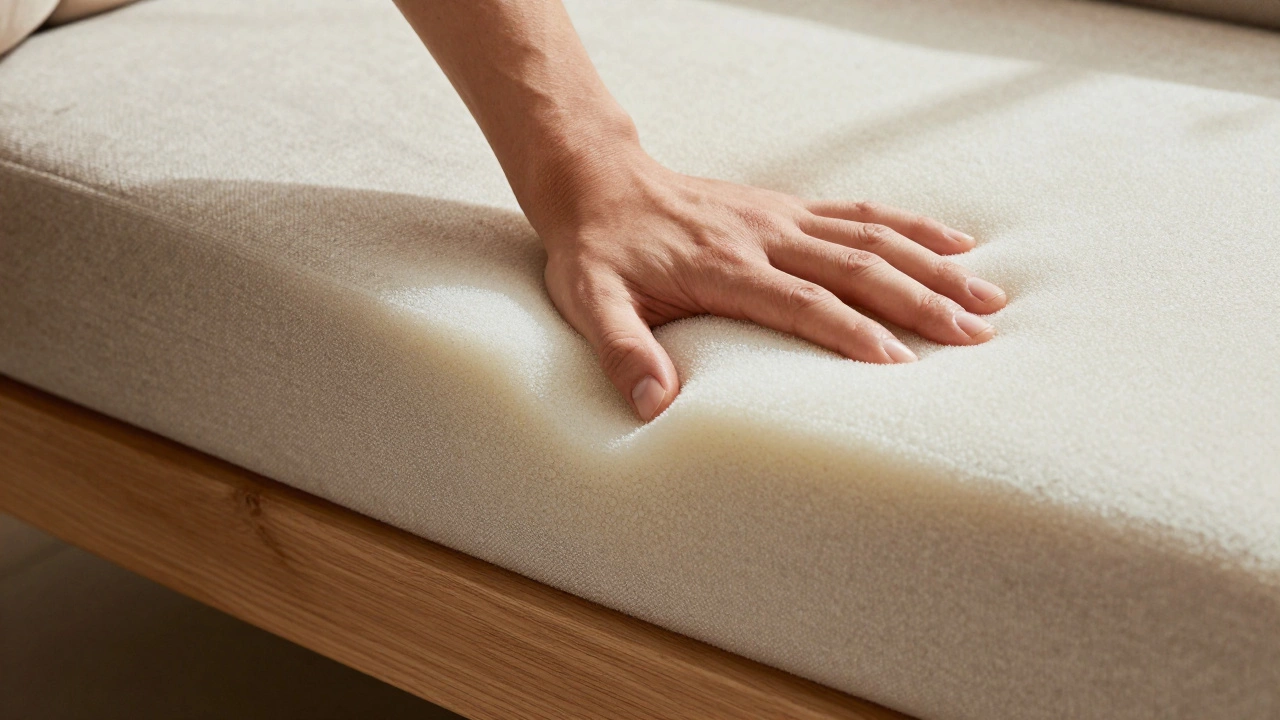
Then there’s the cushion foam, the core material that determines comfort and longevity in seating. High-resiliency foam with a density of 1.8 lbs/ft³ or higher holds its shape for over a decade. Lower density foam (under 1.5 lbs/ft³) flattens out like a pancake after a year. And don’t be fooled by "down-filled" claims—many brands mix cheap polyester with just a thin layer of down. True down-and-feather cushions need regular fluffing and aren’t ideal for daily use. For families or heavy use, high-density foam wrapped in a light layer of fiber is the smart balance.
The sofa frame, the internal structure that supports the entire piece. should be joined with dowels, screws, and glue—not just staples or nails. A well-built frame will have corner blocks for extra strength. If you can lift one end of the sofa and the other end doesn’t budge, that’s a good sign. If it wobbles or twists, skip it. The legs matter too—solid wood legs are better than plastic or hollow metal. Even the stitching on the seams tells you something: tight, even stitches mean attention to detail. Loose threads? That’s a red flag.
And fabric? It’s not just about color or pattern. Performance fabrics like solution-dyed acrylic or tightly woven polyester resist stains, fading, and wear better than cheap cotton or linen. If you’ve got kids, pets, or just hate dry cleaning, this isn’t optional. Leather? It lasts longer than most fabrics, but only if it’s full-grain. Bonded leather? It peels. You can’t tell just by touching it—you need to ask.
What you’re looking for isn’t a luxury brand. It’s a well-made piece built to be used. The best sofas don’t scream for attention—they just sit there, holding up, looking good, and feeling comfortable for years. That’s sofa quality.
Below, you’ll find real-world tests and breakdowns of what actually works—from how long Lazy Boy chairs last to why some sofas look expensive without costing a fortune. No fluff. Just facts you can use before you buy.